A backup-panel runtime plan should identify which loads must remain energized and which may be disconnected under the equipment design. Calculate the retained load's energy demand before choosing an external shedding strategy or making a runtime claim.
- Separate critical, deferrable and prohibited-to-shed functions using the project requirements.
- Apply the actual battery and conversion conditions to an energy estimate.
- Do not assume the supply includes automatic load-shedding control.
What is the engineering decision behind load priority?
Load priority determines which functions the equipment must preserve during a defined loss of mains power. It should come from the process and equipment requirements, not from whichever branch is easiest to disconnect. Some loads may be necessary for controlled shutdown even if they are not needed for normal production.
For an OEM using an AD-155 backup-power assembly, identify the actual variant, battery arrangement and supported connections. This article discusses a system-level energy worksheet. It does not claim that the AD-155 provides an automatic priority controller, independent branch outputs or a particular low-voltage disconnect function.
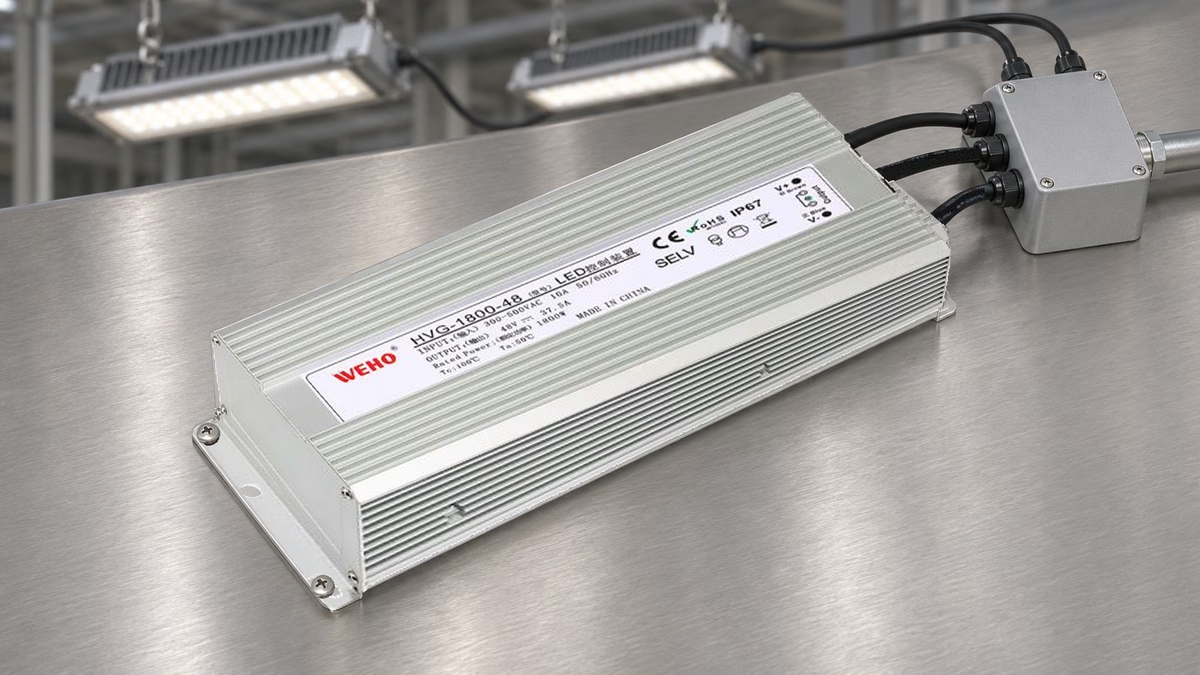
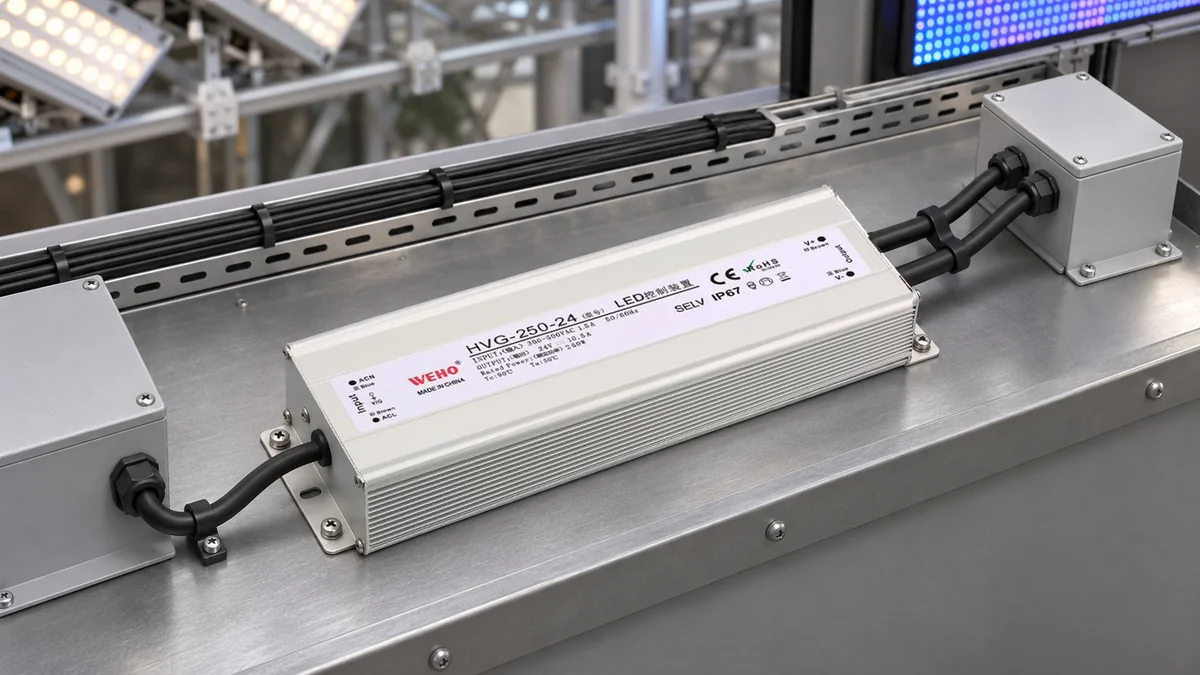
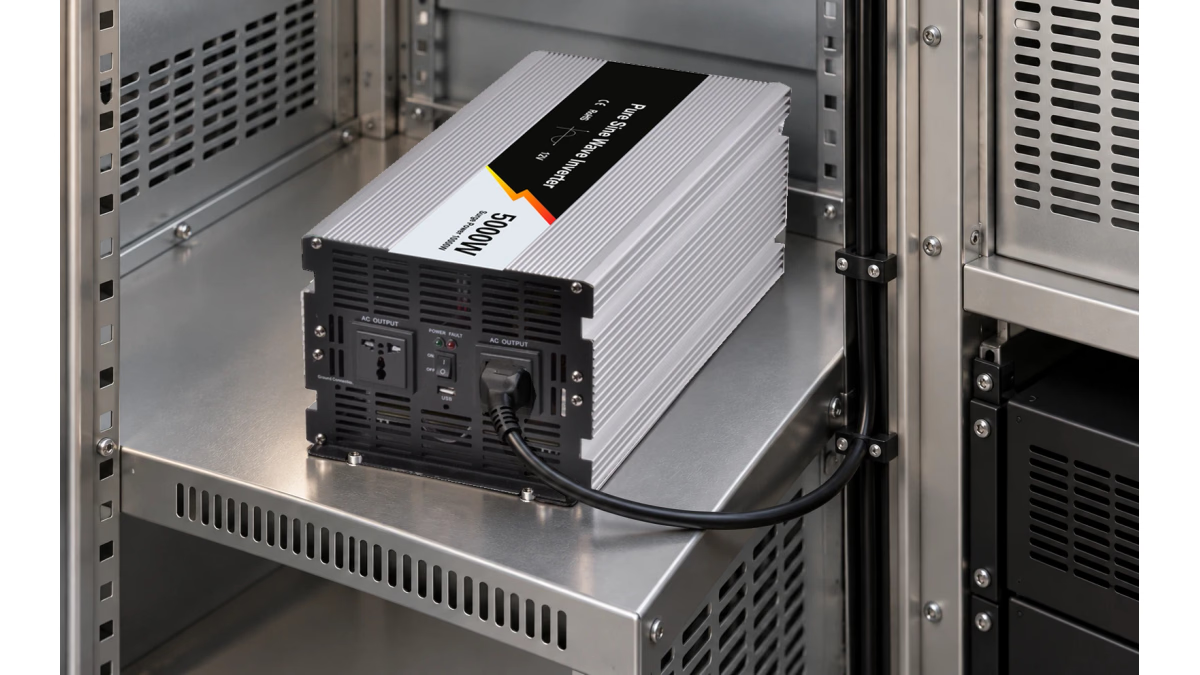
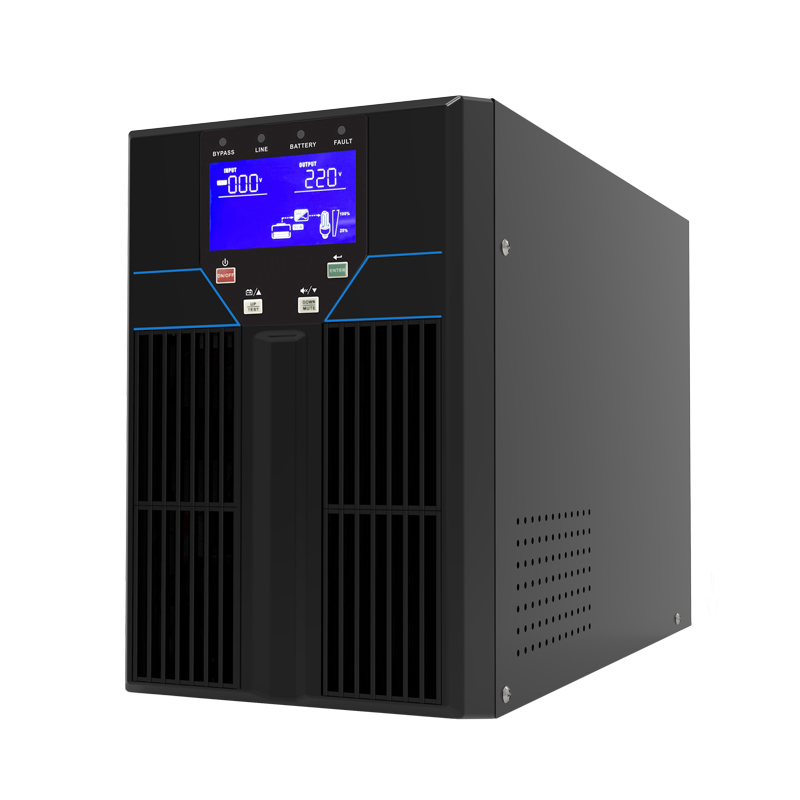
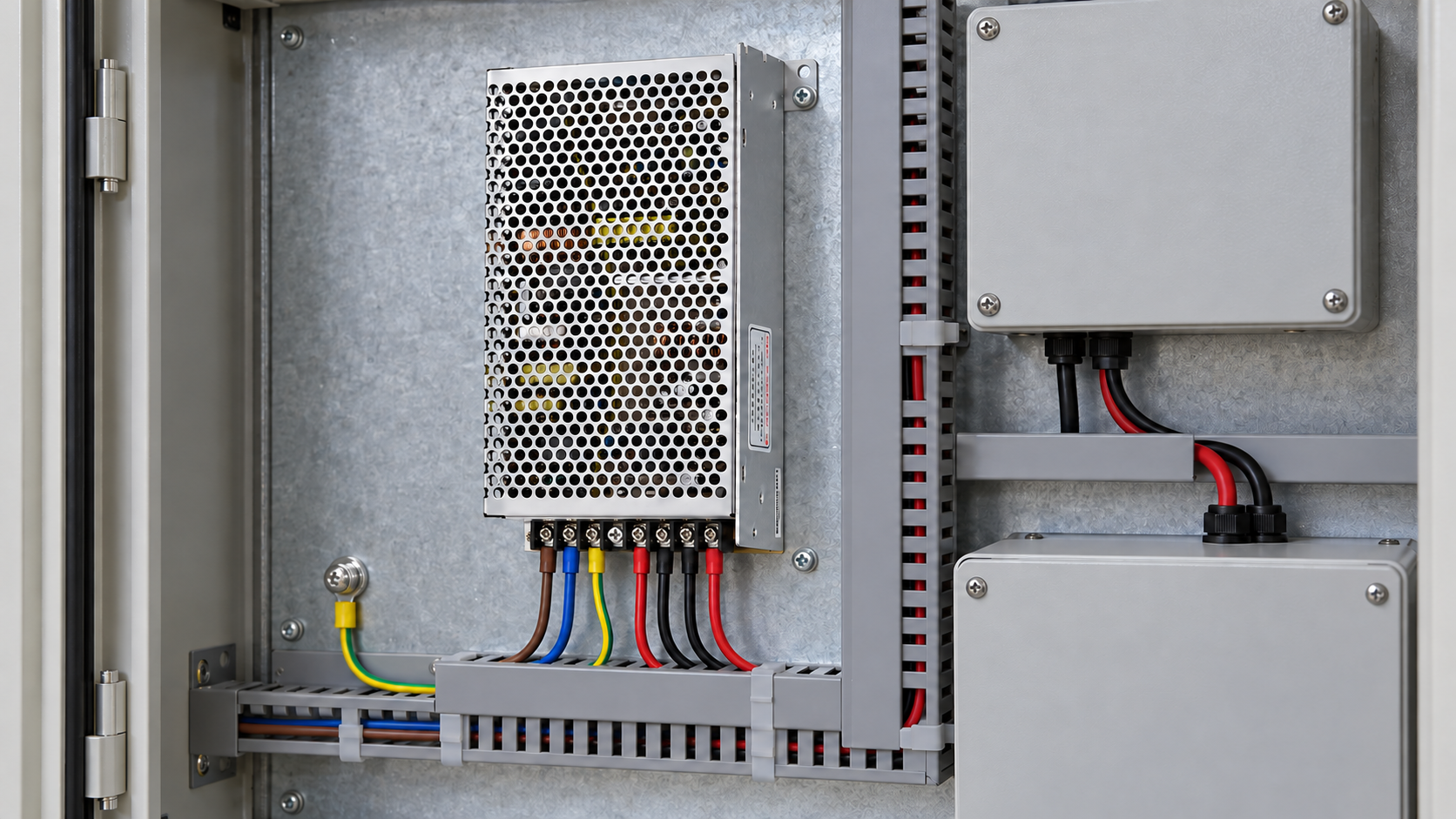
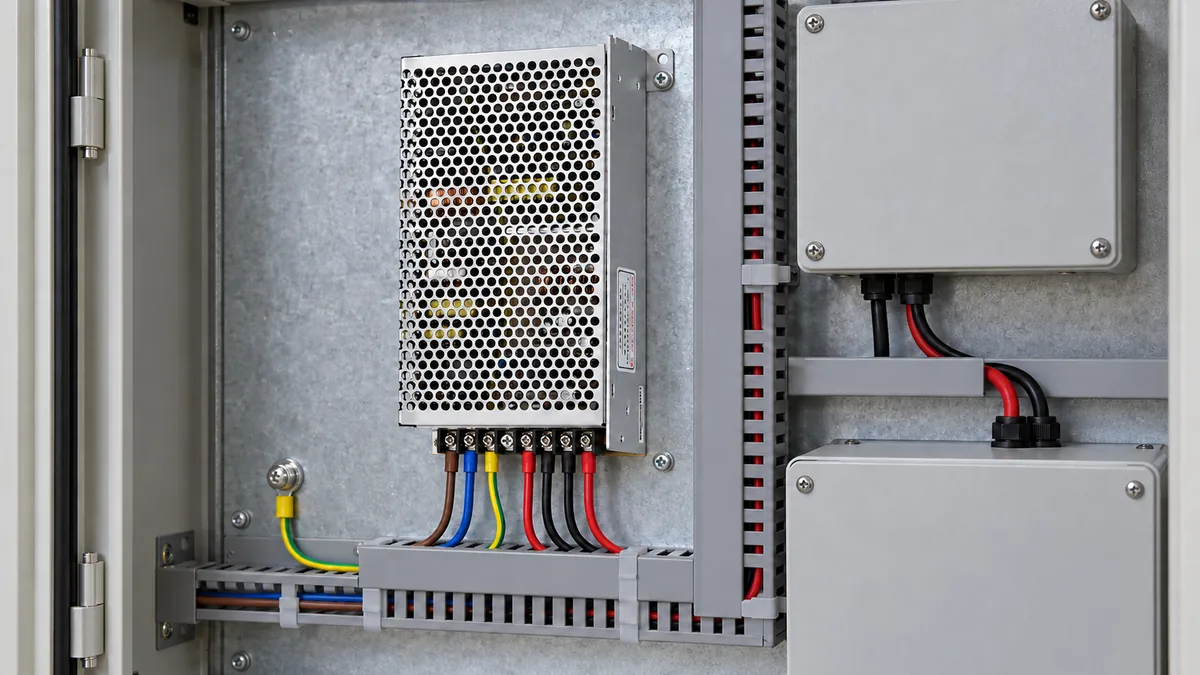
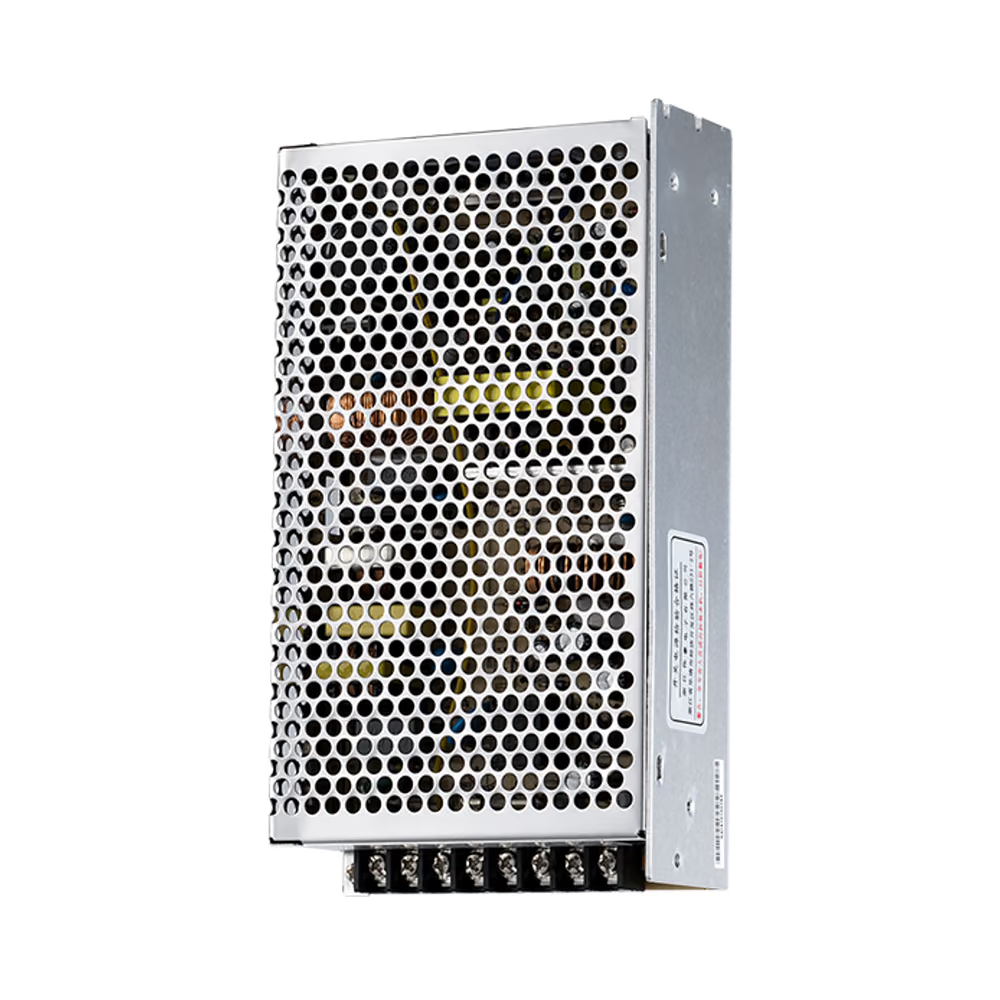
The application illustration shows the family in a cabinet context. It does not establish the battery's capacity, measured runtime or the presence of an external shedding device. Those details must come from the actual design and applicable documentation.
A good worksheet distinguishes required operating duration from available energy. The first is a project demand. The second depends on the battery, temperature, aging, discharge rate, cutoff conditions and power-path losses. Comparing them is more useful than treating nominal ampere-hours as a guaranteed runtime.
How can a simple energy comparison guide the design?
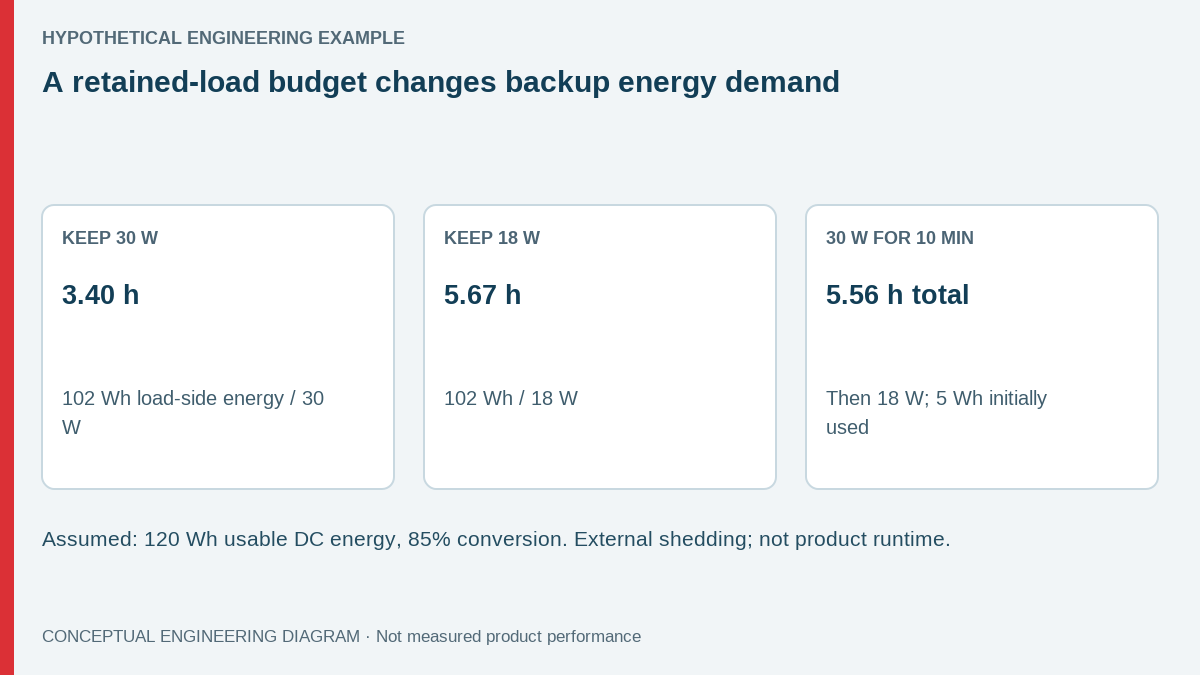
Consider a hypothetical backup system with 120 Wh of usable battery-side energy under explicitly established conditions. Assume a constant 85% battery-to-load efficiency for this simplified example. The estimated energy available to loads is 120 × 0.85 = 102 Wh.
Suppose the required retained load is 18 W and an additional deferrable load is 12 W. Keeping both produces a 30 W load. Ignoring other changing losses for the example, estimated runtime is 102/30 = 3.40 hours. Keeping only the 18 W retained load gives 102/18 = 5.67 hours.
Now assume both loads run for the first ten minutes before an external, approved sequence removes the 12 W branch. The initial energy is 30 × 10/60 = 5 Wh. Remaining load-side energy is 97 Wh, giving 97/18 = 5.39 additional hours, or approximately 5.56 hours total.
These figures are illustrative, not AD-155 runtime or efficiency data. Real efficiency, battery capacity and cutoff behavior can change with current and voltage. A battery's rated energy should not be substituted for the assumed usable 120 Wh unless the applicable conditions support that choice.
| Hypothetical strategy | Load demand | Energy calculation | Estimated duration |
|---|---|---|---|
| Keep both loads | 30 W continuously | 102 Wh ÷ 30 W | 3.40 h |
| Keep retained load only | 18 W continuously | 102 Wh ÷ 18 W | 5.67 h |
| Remove deferrable branch after 10 minutes | 30 W, then 18 W | 5 Wh first; 97 Wh remaining | Approximately 5.56 h total |
| Actual installation | Measure required states | Use validated usable energy and losses | Requires the defined system test |
Which loads may actually be shed?
Classify each branch by its required function during the outage and the consequences of interruption. A communications device might be needed only long enough to report a controlled stop, while another branch might be required throughout the full backup interval. The equipment requirements should define those distinctions.
Do not label a load noncritical solely because its wattage is large or its duty is intermittent. The branch may support monitoring, release, controlled cooling or another necessary action. Safety-related requirements need the responsible equipment assessment; this article does not assign their priority.
Record whether each load can be interrupted immediately, after a delay or only after confirmation of a process state. Also record whether it may restart automatically when mains returns. Shedding and restoration can have different consequences, so one priority list is not a complete control sequence.
The required load may change over time. An actuator that completes a shutdown movement can create a short demand before becoming inactive. Include that transition and the source's applicable peak capability rather than relying only on the final steady retained power.
What external hardware and control checks are needed?
Any external branch-disconnection arrangement needs ratings appropriate to its actual DC switching duty, fault conditions and wiring. A relay's AC rating does not automatically establish its ability to interrupt the proposed DC load. Follow the selected component documentation and equipment design.
- Establish the required outage and restoration states for each branch.
- Measure or justify the power demand in those states.
- Confirm the actual supply and battery-path limits for the proposed configuration.
- Select and assess any external switching and control arrangement.
- Validate the complete sequence, including restoration and interrupted communication.
Qualified personnel should apply the equipment's energy-isolation procedure, including both mains and battery sources. Removing mains does not necessarily de-energize a backup panel. The design should make the relevant sources and isolation points clear for assembly and service.
Check how the shedding controller itself is powered. A sequence that depends on a controller losing power before it can issue a command is not demonstrated by the energy worksheet. Similarly, a branch's own stored energy or an alternate feed can keep it energized after the intended switch opens.
How should the runtime estimate be validated?
Test the actual retained-load profile with a defined battery start condition, temperature, cutoff criterion and observation method. Record load energy and relevant voltage/current behavior. A useful result identifies why the run ended instead of simply reporting the time when an operator stopped watching.
For the battery, use its manufacturer's discharge information and the conditions relevant to the test. Battery aging and temperature can reduce available energy, while discharge rate and cutoff voltage can change the usable fraction. The simple constant-efficiency model above deliberately does not represent those details.
ال AD-155 product information provides the family entry for obtaining applicable variant documentation. Verify the battery chemistry, charging arrangement and load-path requirements for the actual order rather than assuming compatibility from the presence of a battery terminal.
Include restoration in the validation. Reconnecting all deferred branches can create a demand different from the outage's retained state. Recharging the battery also affects the supply-side budget. A successful discharge test does not automatically prove that the post-outage recovery state meets every project requirement.
Use a branch identifier that remains consistent between the load table, electrical drawing and test record. Similar device names can otherwise cause the wrong branch to be classified or disconnected during validation. The worksheet should make the intended external switching boundary unambiguous.
Document how the system handles loss of the shedding command or its own control supply. That is a design state, not an energy calculation. The appropriate response depends on the equipment requirements and must not be inferred from the branch with the smallest wattage.
Prepare an AD-155 backup-load review
Send WEHO the actual variant, battery details, branch priority table and required backup duration. Include the proposed external shedding sequence and measured state demands. Keep assumed efficiency and usable energy clearly identified so the review can distinguish an early estimate from a validated runtime result.
Frequently asked questions
Does the AD-155 automatically shed noncritical loads?
This article does not establish that function. Check the supplied variant's documentation and the actual system design. The example assumes an external strategy whose implementation requires its own assessment.
Can ampere-hours be divided by load amps for runtime?
That shortcut can be misleading when voltages, conversion losses and discharge conditions differ. Use a consistent energy model with justified usable capacity, then validate the relevant load profile.
Is the longest calculated runtime always the best strategy?
No. The strategy must preserve the required functions and controlled transitions. Disconnecting a necessary branch can make an apparently favorable energy result unacceptable for the equipment.
Should every shed branch reconnect immediately when mains returns?
Only if the documented restoration sequence permits it. Check simultaneous demand, recharge conditions and process readiness instead of assuming outage priority alone defines a suitable return-to-service sequence.