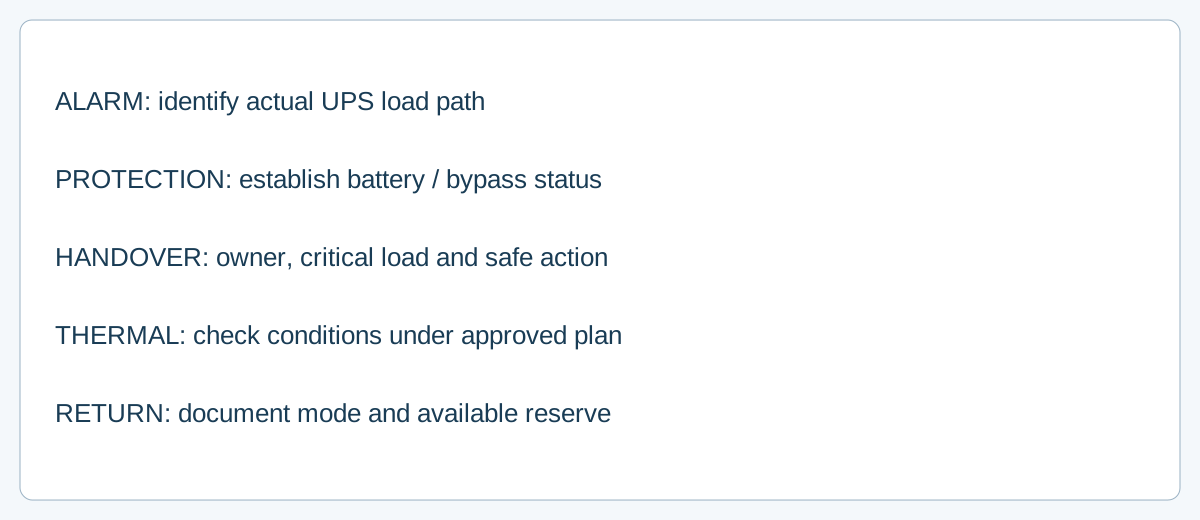
Direct answer: When a UPS reports overtemperature, establish how the critical load is powered now and what protection remains before deciding whether or how to transfer it. The alarm does not by itself tell you whether the load is on the inverter, battery, static bypass or a maintenance bypass. Read the exact equipment status and follow the site’s approved continuity procedure; a lit load is not proof that battery backup remains available.
First identify the actual load path
Record the equipment identity, alarm time, displayed operating mode, input and bypass-source status, output status and the named critical loads. Use the actual one-line diagram and documented status indications. Do not infer the path from a generic label: system architecture and automatic transfer behavior vary by model and configuration.
Schneider Electric’s Easy UPS 3S bypass explanation distinguishes its static bypass from a maintenance bypass. Its documentation says battery backup is unavailable in maintenance bypass for that system. Schneider’s single-phase service bypass explanation similarly describes modes where the load is supplied directly by utility without UPS battery backup. These are specific examples, not proof that every bypass behaves identically.
Separate the alarm from the continuity decision
| Observed state | Evidence to collect | Question for the system owner |
|---|---|---|
| Alarm with UPS still supplying load | Actual mode, alarm code, load and manufacturer response | Is continued operation allowed and for how long under these conditions? |
| Static bypass indicated | Model-specific path, bypass source status and battery response | Which disturbances remain protected, and what happens if bypass input fails? |
| Maintenance bypass engaged | Actual switch position and approved one-line drawing | Is the load supplied directly from utility and does it have any separate backup? |
| Battery operation indicated | Battery state, present load, alarms and documented estimate | What reserve and orderly-shutdown time are available under this configuration? |
| Status unclear | Missing indications, logs and responsible contact | Who can determine the path before further actions? |
These rows are an information checklist, not a universal mode table. A Schneider Smart-UPS SR1 manual states that battery operation is unavailable in its bypass mode. Other architectures may respond differently; obtain the manual for the installed equipment.
Make a protected-load handover
- Assign responsibility. Identify the load owner, UPS operator, facilities team and service contact. Report the alarm and observed mode together, including any uncertainty.
- Define the consequence. List which process, communications or control loads require continuity; identify dependencies, safe shutdown time and any independent power path already approved for the site.
- Establish the current protection. Use actual indications, logs and approved drawings to determine the supply path and what battery or alternate-source protection is available now.
- Choose an approved response. The responsible team decides whether to continue, transfer, reduce load or perform an orderly shutdown under the manufacturer’s and site’s procedures. This article does not authorize switching or promise a make-before-break transfer.
- Keep the handover open. Record the reduced protection, responsible person, next review time and notification to affected load owners. Agree on return-to-service conditions before repair or reset.
Investigate the thermal cause without losing context
Once the load-continuity response is established, compare inlet temperature, load and ventilation with the exact product’s operating and derating documentation. Schneider’s SRV2KUXI-IN overtemperature FAQ identifies model-specific ambient and load limits; do not copy those values to another UPS. Record alarm history, readings, fault indications and external airflow conditions for the qualified service team.
Do not reset or restart merely to remove the warning. The cause and permitted recovery depend on the installed unit, the service procedure and what will happen to the critical load. A status change or a cool case does not prove that the backup duration is restored.
Close the event with evidence
The handover record should include the fault and time, actual mode and path, load names and requirements, bypass or alternate-source status, responsible decision maker, any reduced-protection period, supplier findings, and the verified return-to-service state. If a battery discharge or controlled test occurred, record its recharge and readiness status separately. Review the plan whenever the load, UPS, battery or bypass configuration changes.
WEHO product reference and limits
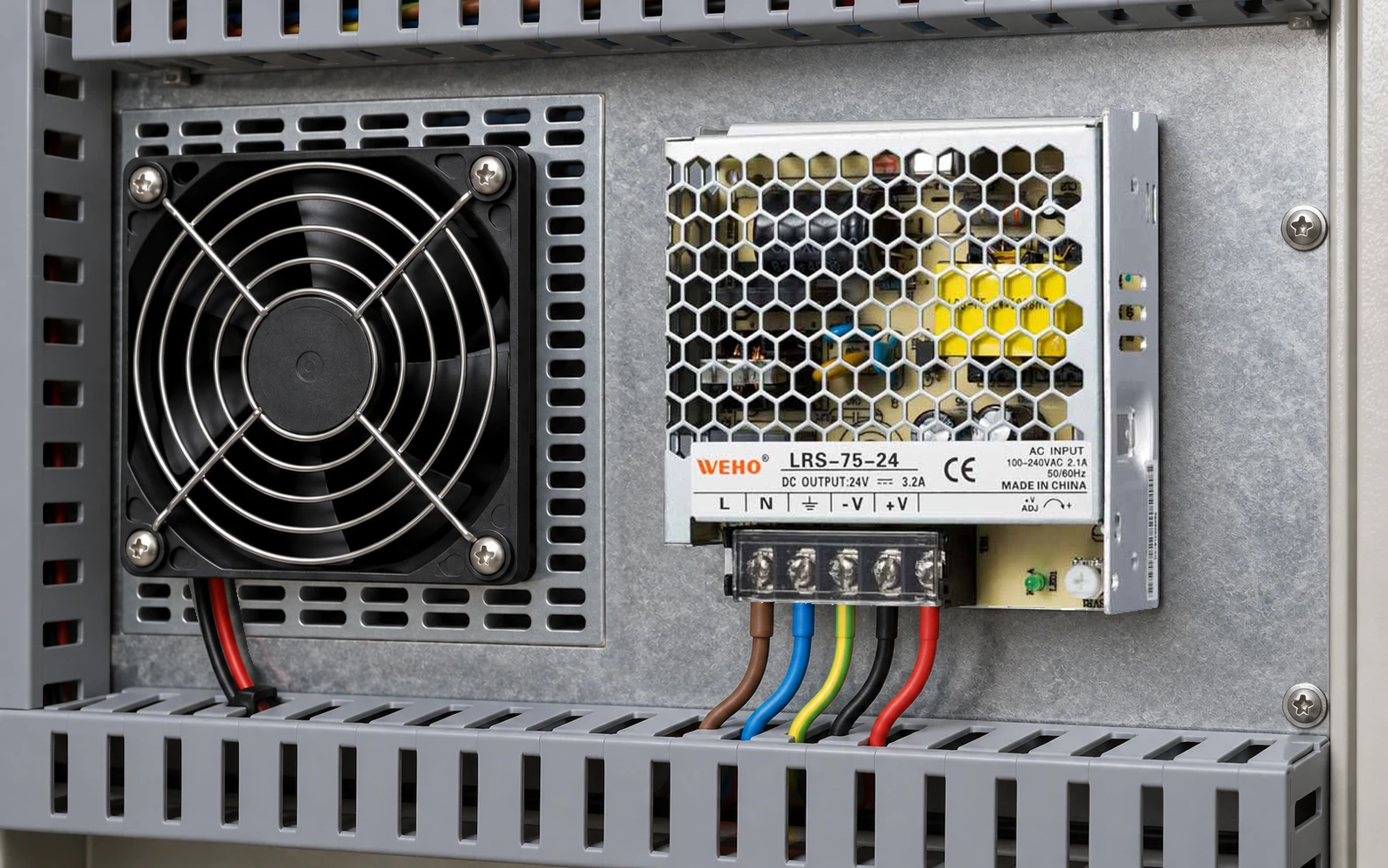
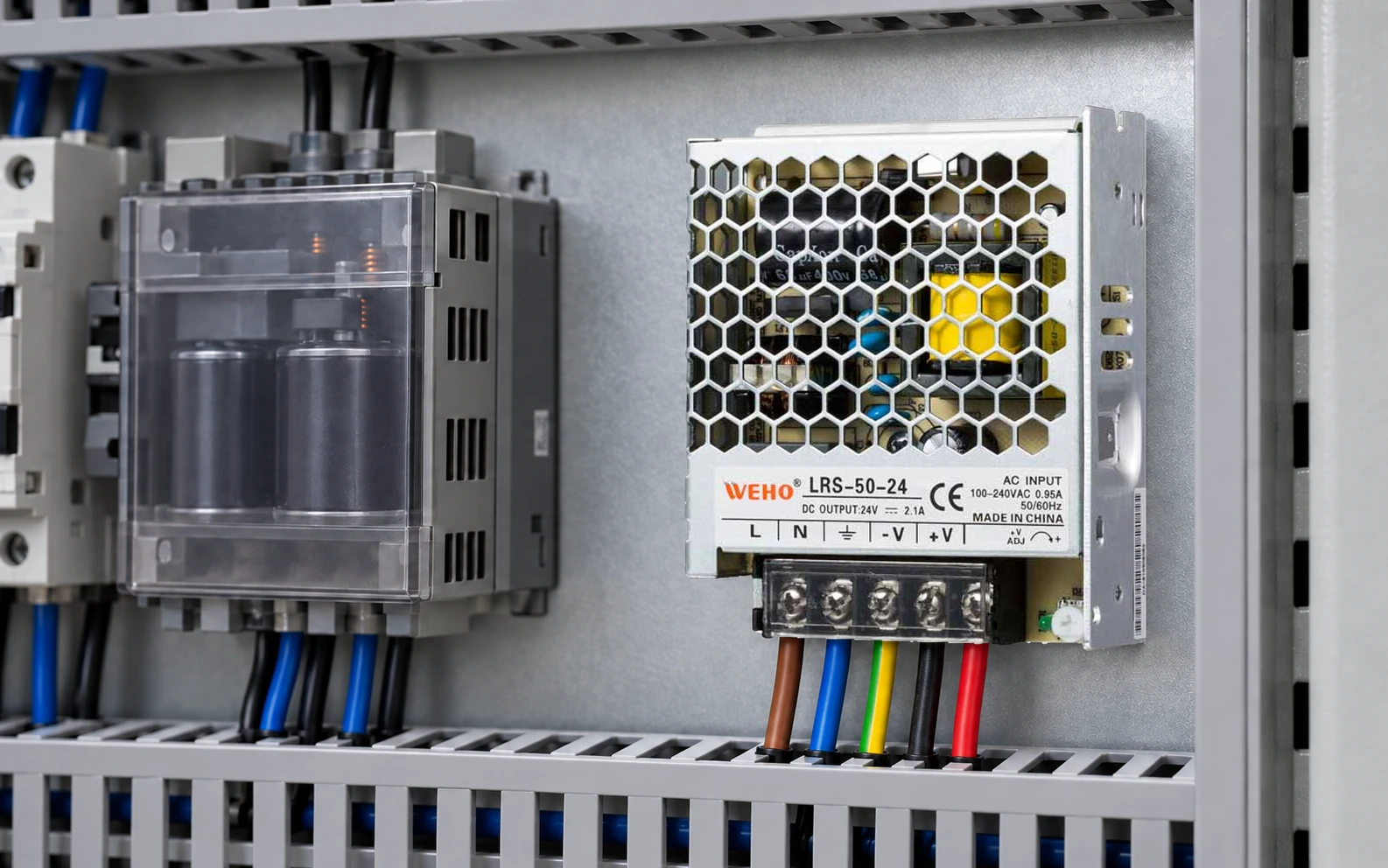
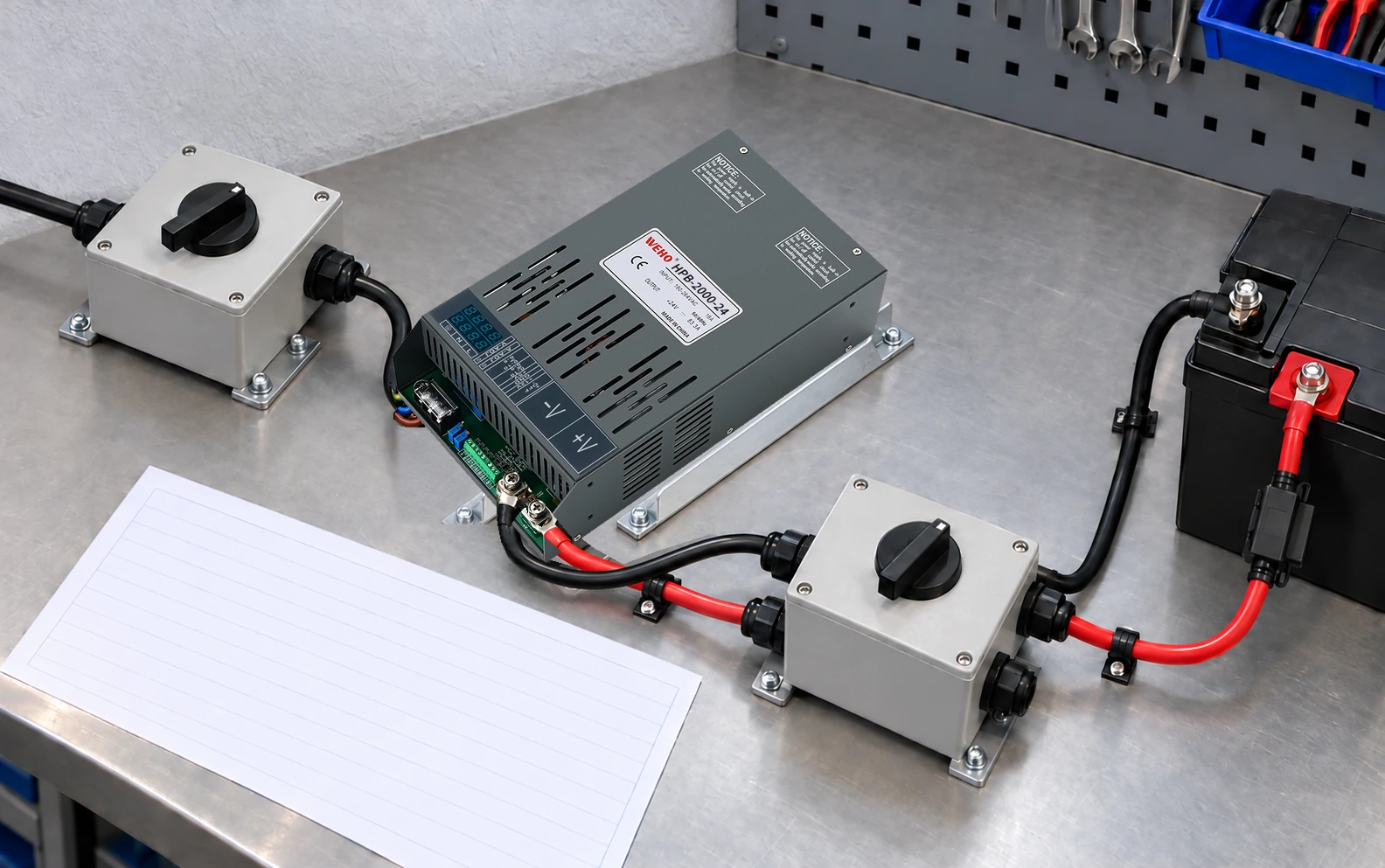
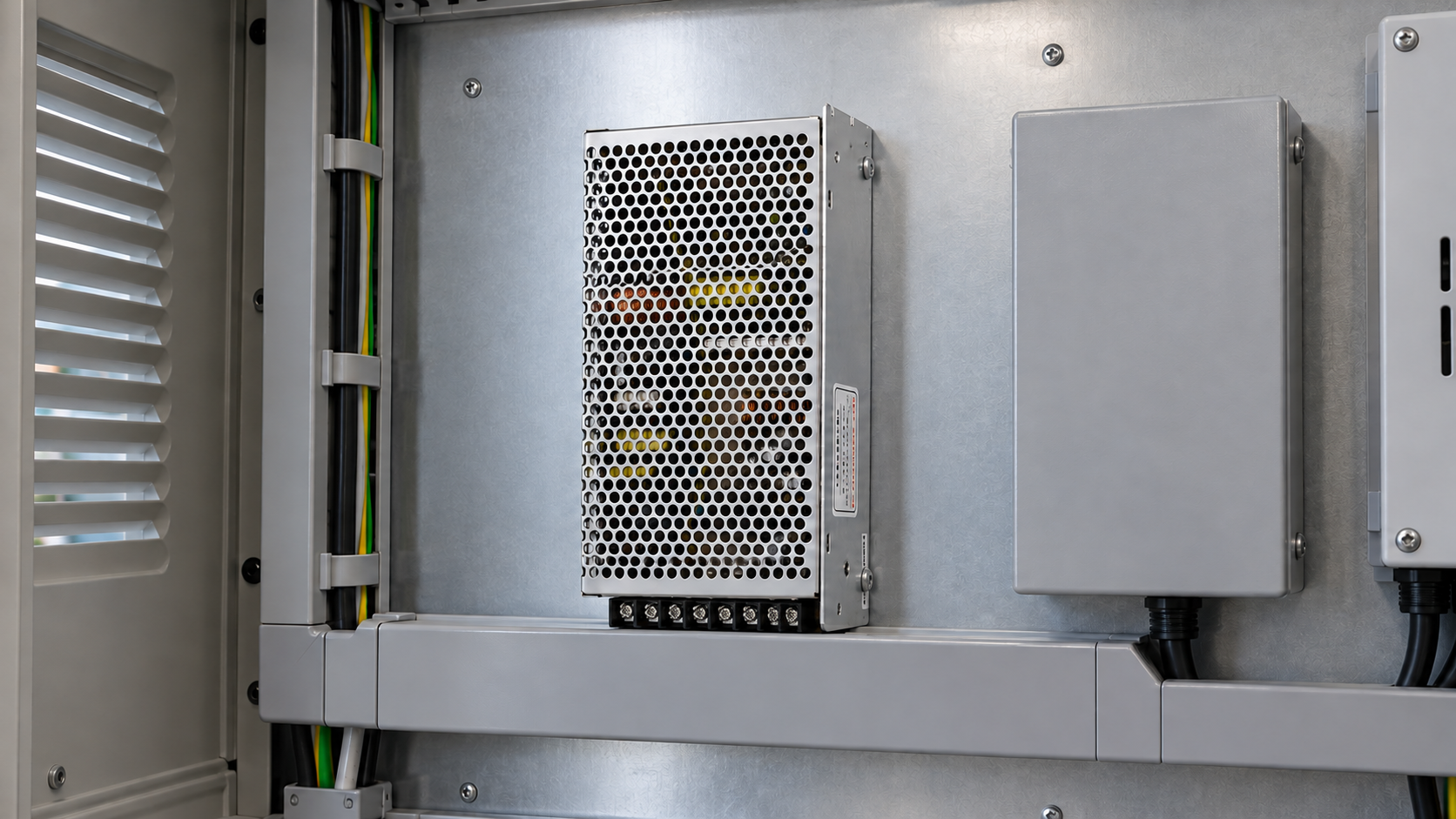
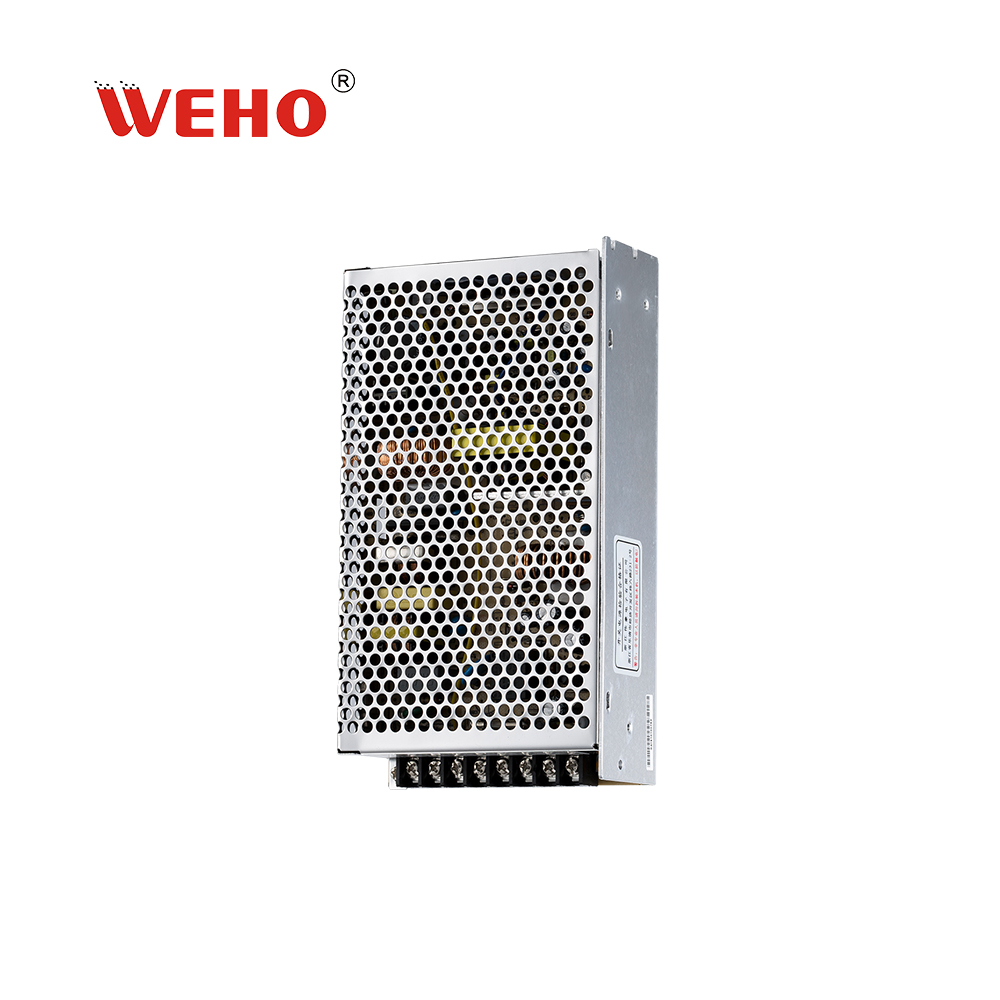
দ WEHO AD-155 family page describes an AC-to-DC supply with a battery-charging function. Its photograph does not establish the existence of static or maintenance bypass, a thermal alarm, automatic transfer or a particular backup capability. Ask for documentation for the exact variant and actual system; use the installed UPS and bypass manufacturers’ instructions for the incident.
Frequently asked questions
Does bypass always mean the same protection?
No. Static, maintenance and external bypass arrangements differ. Identify the actual path and model-specific behavior, including what occurs if the source fails.
Can a cleared temperature alarm prove the site is fully protected again?
No. Confirm the actual output mode, remaining faults, battery readiness and the approved return-to-service criteria.
Can I assume the load was automatically transferred?
No. Read the actual status and use the approved drawings and procedures. Automatic transfer depends on the device and conditions.
Send WEHO the exact product variant, load and intended backup architecture when requesting product information. For an operating UPS alarm, provide the installed unit’s event record and one-line diagram to the responsible system owner and equipment supplier. WEHO এর সাথে যোগাযোগ করুন.