














การแนะนำ
การเลือกระหว่างก เซ็นเซอร์ความใกล้ชิดอุปนัยป้องกัน และ เซ็นเซอร์ความใกล้ชิดอุปนัยที่ไม่มีการป้องกัน เป็นการตัดสินใจขั้นพื้นฐานในการออกแบบระบบอัตโนมัติ คู่มือนี้จะอธิบายถึงความแตกต่างที่สําคัญในการก่อสร้างระยะการตรวจจับและความยืดหยุ่นในการติดตั้งเพื่อช่วยให้คุณเลือกเซ็นเซอร์ที่เหมาะสมสําหรับการใช้งานของคุณ.
ชีลด์คืออะไร เซ็นเซอร์ความใกล้ชิดอุปนัย?
A เซ็นเซอร์ความใกล้ชิดอุปนัยป้องกัน (alsoเรียกว่า flush-mountable หรือ embeddable) มีแกนเฟอร์ไรท์ที่ควบคุมสนามแม่เหล็กของเซ็นเซอร์ให้แผ่กระจายจากหน้าตรวจจับเท่านั้น . โล่โลหะล้อมรอบขดลวดที่มีสนามแม่เหล็กและป้องกันไม่ให้แผ่กระจายไปด้านข้างหรือด้านหลัง.
การออกแบบนี้ช่วยให้เซ็นเซอร์สามารถติดตั้งได้อย่างสมบูรณ์ล้างด้วยโลหะโดยรอบโดยไม่ส่งผลกระทบต่อประสิทธิภาพ . เธรดของเซ็นเซอร์ขยายไปจนถึงใบหน้าตรวจจับสร้างโปรไฟล์ทรงกระบอกที่สม่ําเสมอ .
การแลกเปลี่ยนหลักคือการป้องกันช่วยลดระยะการตรวจจับเมื่อเทียบกับการออกแบบที่ไม่มีการป้องกันที่มีขนาดเท่ากัน ตัวอย่างเช่นเซ็นเซอร์ป้องกัน M18 อาจตรวจพบที่ 5 มม. ในขณะที่รุ่นที่ไม่มีการป้องกันจะตรวจพบที่ 8 มม.
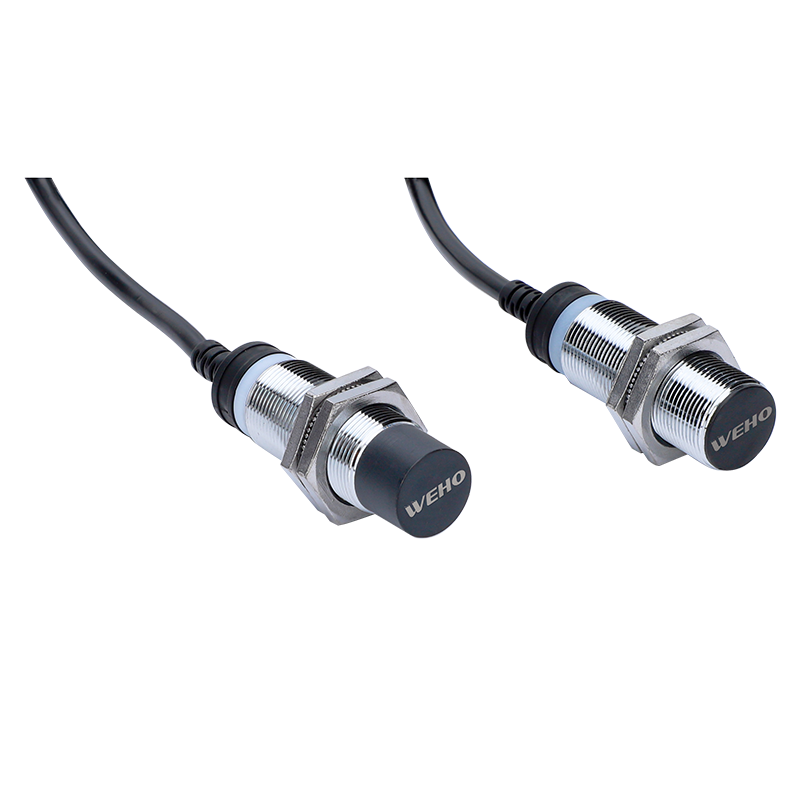
เซ็นเซอร์ความใกล้ชิดอุปนัยที่ไม่มีการป้องกันคืออะไร?
หนึ่ง เซ็นเซอร์ความใกล้ชิดอุปนัยที่ไม่มีการป้องกัน (ไม่สามารถล้างออกได้) ไม่มีตัวเรือนโลหะรอบ ๆ บริเวณขดลวด . แต่ขดลวดจะถูกทิ้งไว้โดยมีเพียงฝาพลาสติกที่ครอบคลุมใบหน้าตรวจจับ สิ่งนี้จะสร้างรูปลักษณ์ที่โดดเด่นซึ่งส่วนท้ายของเซ็นเซอร์จะขยายเกินกว่ากระบอกเกลียว .
การไม่มี shielding ช่วยให้สนามแม่เหล็กแผ่กระจายในรูปแบบโค้งมนที่ใหญ่ขึ้น ส่งผลให้ระยะการตรวจจับยาวขึ้น - โดยปกติจะเป็น 1.5 ถึง 2 เท่าของเซ็นเซอร์ shielded ที่มีเส้นผ่านศูนย์กลางเดียวกัน.
อย่างไรก็ตามการออกแบบที่ไม่มีการป้องกันต้องใช้โซนที่ปราศจากโลหะรอบ ๆ เซ็นเซอร์ หากติดตั้งในหรือใกล้กับโลหะเซ็นเซอร์อาจทริกเกอร์ผิดพลาดหรือพบระยะตรวจจับที่ลดลง .
เซ็นเซอร์ความใกล้ชิดอุปนัยแบบป้องกัน vs ไม่มีการป้องกัน: ความแตกต่างที่สำคัญ
การเปรียบเทียบระยะการตรวจจับ
เซ็นเซอร์ที่ไม่มีการหุ้มฉนวนให้ระยะตรวจจับที่ยาวนานขึ้นอย่างมากเนื่องจากสนามแม่เหล็กสามารถขยายได้อย่างอิสระโดยไม่ต้องกักเก็บ .
| คุณสมบัติ | ชีลด์ (ฟลัช) | ไม่หุ้มฉนวน (Non-ฟลัช) |
|---|---|---|
| ทั่วไป Sn (M18) | 5 มม | 8 มม. |
| ทั่วไป Sn (M30) | 10 มม. | 15 มม |
| ระยะทางสัมพัทธ์ | สั้นลง | 1.5 - 2 เท่า |
เมื่อต้องการช่วงการตรวจจับสูงสุดควรใช้เซ็นเซอร์ที่ไม่มีการหุ้มฉนวน ค่าความเหนี่ยวนําอ้างอิงของเซ็นเซอร์ที่ไม่มีการหุ้มฉนวนนั้นเหนือกว่า (0.893μH) เมื่อเทียบกับเซ็นเซอร์ที่มีการป้องกัน (0.845μH) , ช่วยให้ระยะตรวจจับไกลขึ้น.
ความยืดหยุ่นในการติดตั้ง
เซ็นเซอร์ป้องกัน สามารถฝังลงในตัวยึดโลหะได้ เหมาะอย่างยิ่งสำหรับการใช้งานที่มีพื้นที่ จำกัด หรือเซ็นเซอร์จะต้องถูกทวนลงในเครื่องจักร.
เซ็นเซอร์ที่ไม่มีการป้องกัน ต้องการโซนที่ปราศจากโลหะรอบ ๆ ใบหน้าตรวจจับ . พื้นที่ที่ปราศจากโลหะจะต้องขยายออกไปทุกทิศทางโดยมีระยะห่างจากความลึกอย่างน้อยสองเท่าของระยะตรวจจับที่ได้รับการจัดอันดับของเซ็นเซอร์ . The distance from opposing metal surfaces must be no closer than three times the rated nominal sensing distance .
For unshielded sensors, adjacent sensors must also be spaced further apart to prevent mutual interference—typically 3 times the sensor diameter for unshielded vs 2 times for shielded .
ความต้านทานต่อการรบกวนโลหะโดยรอบ
เซ็นเซอร์ป้องกัน offer excellent resistance to interference from surrounding metal. The ferrite core and metal shield contain the magnetic field, preventing false triggers from nearby metallic objects.
เซ็นเซอร์ที่ไม่มีการป้องกัน are more susceptible to surrounding metals because the magnetic field extends sideways and backward . Mounting them incorrectly can lead to false detection or reduced sensing distances. Some programmable sensors can be configured to reject side metal, but this typically reduces the effective sensing range .
ค่าใช้จ่ายและความพร้อมใช้งาน
Shielded sensors are generally more common and available in a wider variety of sizes. Unshielded sensors may cost slightly more due to lower production volumes, though the price difference is often minimal for standard sizes.
| Sensor Size | Shielded Detection Distance | Unshielded Detection Distance |
|---|---|---|
| M8 | 1.5–2mm | 2–4mm |
| M12 | 2–4mm | 4–8mm |
| M18 | 5–8mm | 8–16mm |
| M30 | 10–15mm | 15–30mm |
ความแตกต่างของการออกแบบโครงสร้างทั่วไป
-
เซ็นเซอร์ป้องกัน: Threads extend to the sensing face; the housing fully covers the coil; flush, uniform profile
-
เซ็นเซอร์ที่ไม่มีการป้องกัน: Plastic cap extends past the threaded barrel; the housing is “peeled back” leaving the coil exposed; distinctive non-uniform profile
ชีลด์ vs ไม่มีชีลด์: เซ็นเซอร์ใดที่เหมาะกับแอปพลิเคชันของคุณ
Choose a shielded sensor when:
-
The sensor must be mounted flush with metal surfaces
-
Space constraints require embedment
-
Multiple sensors are mounted close together
-
The application involves metal panels or fixtures around the sensor
-
Maximum sensing distance is not critical
Choose an unshielded sensor when:
-
Maximum possible sensing distance is required
-
The sensor can be mounted with a clear metal-free zone
-
Detection of smaller targets or non-ferrous metals requires extra range
-
The sensor will not be surrounded by metal in the installation
For applications detecting aluminum, brass, or stainless steel, the longer sensing range of unshielded sensors helps compensate for material correction factors. Stainless steel reduces sensing distance to approximately 80% of mild steel, while aluminum and brass may reduce it to only 50% .
คำถามที่พบบ่อย
อะไรคือความแตกต่างระหว่างเซ็นเซอร์ความใกล้ชิดอุปนัยที่มีการป้องกันและไม่มีการป้องกัน?
Shielded sensors can be mounted flush with metal and have a shorter sensing distance. Unshielded sensors provide longer detection range but require a metal-free zone around the sensing face .
เซ็นเซอร์ความใกล้ชิดอุปนัยใดที่มีระยะตรวจจับที่ยาวกว่า
Unshielded sensors have a longer sensing distance—typically 1.5 to 2 times that of a shielded sensor of the same diameter .
เซ็นเซอร์หุ้มฉนวนสามารถติดตั้งด้วยโลหะได้หรือไม่?
Yes. Shielded sensors are designed specifically for flush mounting in metal without affecting performance .
เซ็นเซอร์ที่ไม่มีการป้องกันจะดีกว่าเซ็นเซอร์ที่มีการป้องกันหรือไม่
Neither is universally better. Unshielded sensors offer longer range but require careful mounting. Shielded sensors provide mounting flexibility and greater resistance to interference .
บทสรุป
The choice between shielded and unshielded sensors depends on your application’s mounting constraints and distance requirements. Shielded sensors offer flush mounting capability and interference resistance, while unshielded sensors provide longer detection range at the cost of installation complexity. Evaluate your metal target, available mounting space, and required sensing distance before making a selection.
Need help selecting the right sensor? Explore the WEHO ELEC range of inductive proximity sensors at https://www.wehopower.com and contact our technical support team for expert guidance on your application.