<tdrowspan=”5″>input<tdcolspan=”3″>170~264VAC 47~63Hz, 235~373VDC<tdcolspan=”3″>0.65A/230VAC<tdcolspan=”3″>Cold start current 30A/230VAC<tdcolspan=”3″ >-10℃~+60℃; 20%~90%RH (please refer to reduce the specified number load curve)<tdcolspan=”3″ >Accord with EN55022, CLASSA<tdcolspan=”4″>1. All the parameters in has not specified, all is in 230V voltage input, AC rated load and 25 ℃ conditions measuring income value.
| نموذج | MS-50-5 | MS-50-12 | MS-50-24 |
| الإخراج | الجهد الناتج العاصمة | 5 فولت | 12 فولت | 24 فولت |
| التسامح الجهد الناتج | ±1% | ±1% | ±1% |
| تصنيف الانتاج الحالي | 10 أ | 4.2 أ | 2.1 أ |
| نطاق الإخراج الحالي | 0~10A | 0~4.2A | 0~2.1A |
| طاقة الإخراج | 50 واط | 50 واط | 50 واط |
| تموج والضوضاء | 80mVp-p | 120mVp-p | 120mVp-p |
| DC Voltage Adjustable Scope | ±10% | ±10% | ±10% |
| ابدأ، قم، حافظ على الوقت | 800ms, 20ms, 24ms/230VAC. |
| مدخل | نطاق جهد الإدخال | 170~264VAC 47~63Hz,235~373VDC |
| تبادل المدخلات الحالية | 0.65A/230VAC |
| كفاءة | 80% | 82% | 84% |
| الدافع الحالي | تيار البدء البارد 30 أمبير/230 فولت تيار متردد |
| التسرب الحالي | <1 مللي أمبير/240 فولت تيار متردد |
| خصائص الحماية | حماية الزائد | طريقة الحماية: وضع الفواق، ويمكن إزالة ظروف التحميل غير الطبيعية الانتعاش |
| بيئة | درجة حرارة العمل ، الرطوبة | Accord with EN55022,CLASSA |
| الحفاظ على درجة الحرارة والرطوبة | -20 درجة مئوية~+85 درجة مئوية؛ 10%~95%RH لا يوجد تكثيف |
| مقاومة الاهتزاز | 10~500Hz, 2G 10min./1 cycle time, 60 minutes, the axis |
| حماية | ضغط الجنس | Input/output: 1.5 KVAC input and between to KVAC output and the earth: 1.5: 0.5KVAC |
| مقاومة العزل | بين الإدخال والإخراج، الإخراج والإدخال: مع الأرض: 100M أوم / 500VDC |
| Complies With The Standards | معايير السلامة | تلبية متطلبات UL1012 |
| معيار إي إم سي | Accord with EN55022,CLASSA |
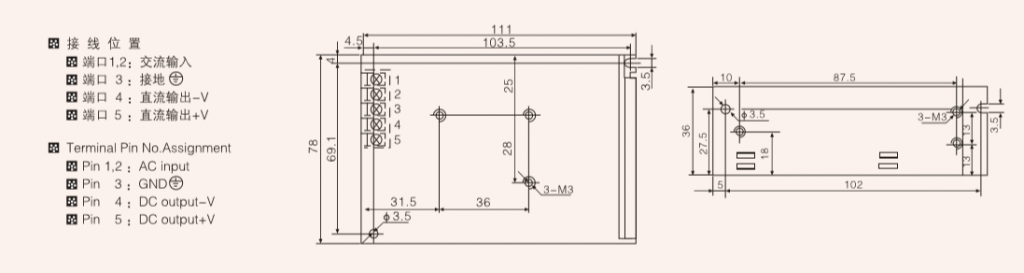
| آخر | وزن | 0.26kg 111*78*36(L*W*H) |
| التعبئة والتغليف | 0.26kg/50pcs/14kg/0.9CUFT |
| ملحوظة |
| 2. جهد التموج والضوضاء موجود في عرض النطاق الترددي 2 0 M H z مع نهاية زوج ملتوية من راسم الذبذبات 1 إلى 2 بوصة وقياس سعة 0.1 mu و4 7 muon عند. |
| 3. التسامح هو خطأ في ضبط الجهد، ومعدل تعديل الجهد وضبط مجموع المعدل الحالي. |
الغطاء الأبيض الموجود على الموصل مخصص لاحتياطات السلامة ضد الصدمات الكهربائية والحماية من الغبار
نحن نصنع المحولات ومحاثات الطاقة من النحاس النقي بأنفسنا،,
لدى Weho 150,000 مجموعة من النماذج شائعة الاستخدام، مما يضمن التسليم السريع.
يحتوي هذا المنتج على مدخل تيار متردد عالمي بنطاق كامل (يصل إلى 264 فولت تيار متردد).
لقد أكمل المنتج اختبار تقادم الحمل الكامل 100%.
يتم تغطية هذا المنتج بضمان لمدة 3 سنوات.
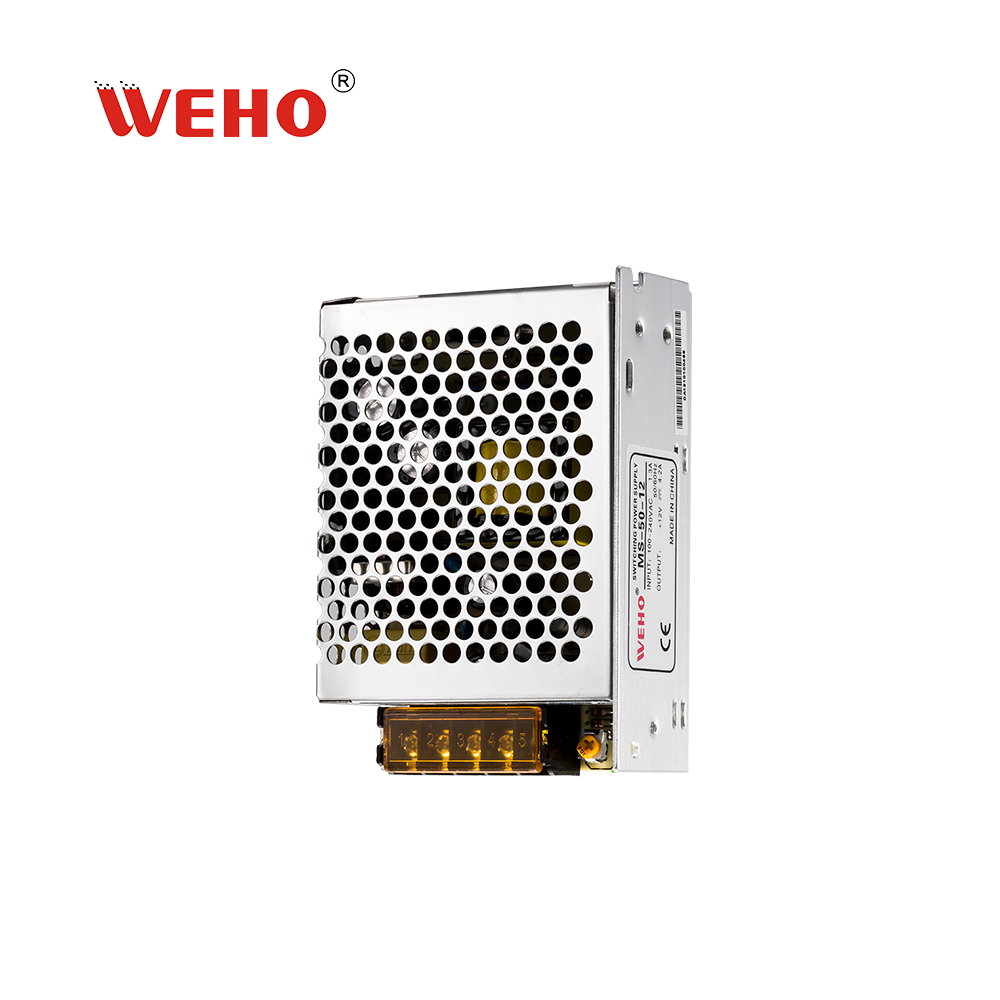
Product size: 111*78*36mm (L * W * H)
الأسئلة الشائعة
Q1: How do I choose the right 12V 50W switching power supply?
First confirm that the equipment requires a 12V DC input. A 50W 12V power supply can theoretically provide about 4.17A at full rated output. The connected load should remain below the rated capacity, and additional power margin is recommended for continuous operation.
Q2: What devices can a 50W 12V switching power supply power?
A 50W 12V switching power supply can be used for LED systems, electronic equipment, control devices, small automation systems, and other 12V DC loads. The total power consumption of all connected devices must remain within the power supply’s rated capacity.
Q3: How much load can a 12V 50W power supply support?
At 12V output, a 50W power supply provides a maximum theoretical current of approximately 4.17A. In practical applications, the actual usable load should consider startup current, operating temperature, ventilation, and continuous working time.
Q4: How do I troubleshoot a 12V switching power supply that has no output?
Check the AC input voltage, input wiring, output polarity, terminal connections, and connected load first. Disconnect the load and test the DC output separately. If the output returns after removing the load, the system may have an overload, short circuit, or incorrect wiring condition.
Q5: When should I choose a higher-wattage 12V power supply?
Choose a higher-wattage model if the total load is close to 50W, if the equipment has high startup current, or if additional devices may be added later. Leaving sufficient capacity helps improve system stability and reduces the risk of overload during long-term operation.