A 12V switching power supply is used in many industrial systems, from CNC controllers to LED lighting and automation panels. When it fails, equipment can stop. If the output is missing or unstable, record the symptoms and arrange a qualified check of the input, connections and load against the exact model’s specifications before assuming that the supply has failed. Understanding common failure modes helps you describe the symptoms and arrange an appropriate inspection.
This guide covers frequent faults, safe initial checks, preventive measures and the information to provide when requesting service or selecting a replacement.
Common Faults of 12V Switching Power Supplies
Switching power supplies can show a range of symptoms. The table below lists possible causes; a symptom alone does not identify the failed component. Compare observations with the exact model’s specifications and operating conditions.
| Fault Type | Typical Symptoms | Possible Causes |
|---|---|---|
| No Output or Low Voltage | Indicator off if fitted, output below the specified range, or intermittent startup | Input supply or wiring issue, excessive load, protection operation, or an internal fault |
| Overvoltage or Undervoltage | Output outside the model’s specified range under stated conditions | Incorrect input or loading, connection voltage drop, adjustment, sensing or feedback fault |
| Possible Overload or Short Circuit | Shutdown, restart or clicking when connected to a load | Overload, a short or wiring problem, or an internal fault |
| Output Ripple or Noise | Ripple outside the specified limit or instability in connected devices | Loading, measurement setup, grounding or an internal component fault |
| Overheating | Excessive enclosure temperature or thermal shutdown | Blocked airflow, insufficient clearance, high ambient temperature, overload or a fan fault if fitted |
| Intermittent Operation | Repeated starts and stops or instability under vibration | Input or load changes, loose external connections, or an internal fault |
Electrolytic capacitors can age over time, and vibration may affect connections. A qualified technician should determine the actual cause rather than replacing components based on symptoms alone.
Repair Safety and Troubleshooting Steps
Switching power supplies may retain hazardous energy after input power is removed. Do not open the enclosure or touch internal components. Follow site isolation procedures and arrange diagnosis and repair through qualified personnel or the manufacturer.
Before work begins, a qualified person should identify all energy sources, account for stored energy and possible backfeed, and verify that exposed circuits are de-energized using appropriate test equipment and site procedures. For US workplaces, see OSHA’s electrical safety-related work practices; applicable requirements depend on location and circumstances.
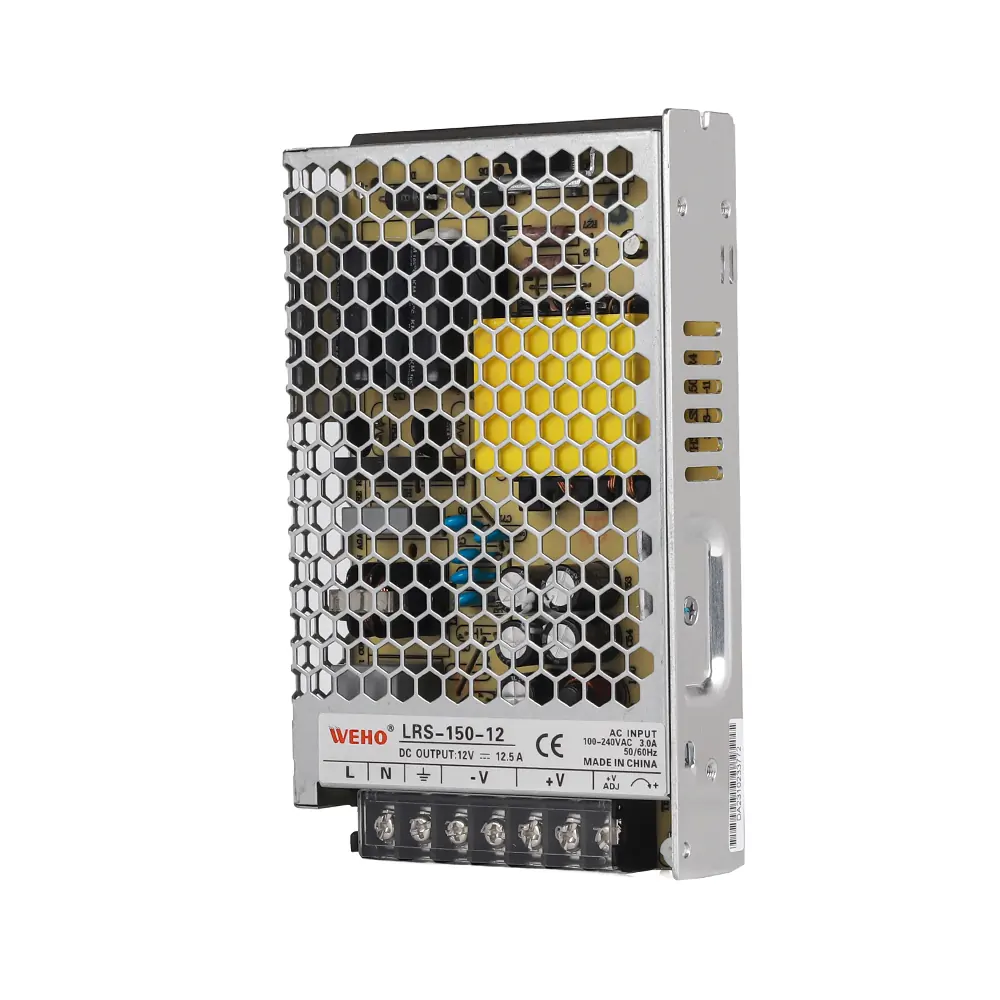
Document the symptoms. Record the model, input and output ratings, load, operating environment and whether the fault occurs at startup or during operation. Note any indicator status without treating it as a definitive diagnosis.
Check the installation. A qualified person can verify the input supply, external connections, load, ventilation and protective devices using the manufacturer’s instructions and site procedures. Compare output and ripple against the exact model’s specified conditions and limits.
Stop using a damaged unit. If there is smoke, a burning smell, unusual heat or visible damage, stop operation and isolate it when safe to do so. Do not repeatedly restart it. Contact the manufacturer or a qualified service provider for assessment.
Repair or replace. Internal inspection, testing, component replacement and post-repair verification require appropriate training, equipment and model-specific procedures. Where a unit is replaced, match the input, output, power, installation and protection requirements to the application.
Preventive Measures for 12V Switching Power Supply
Install supplies with the ventilation and clearance specified by the manufacturer. Check the model’s temperature and load derating curves, input range and environmental requirements rather than applying one fixed loading percentage to every supply. Plan periodic inspection according to the installation environment and manufacturer’s guidance; isolate equipment under site procedures before maintenance.
Advantages of Working With WEHO
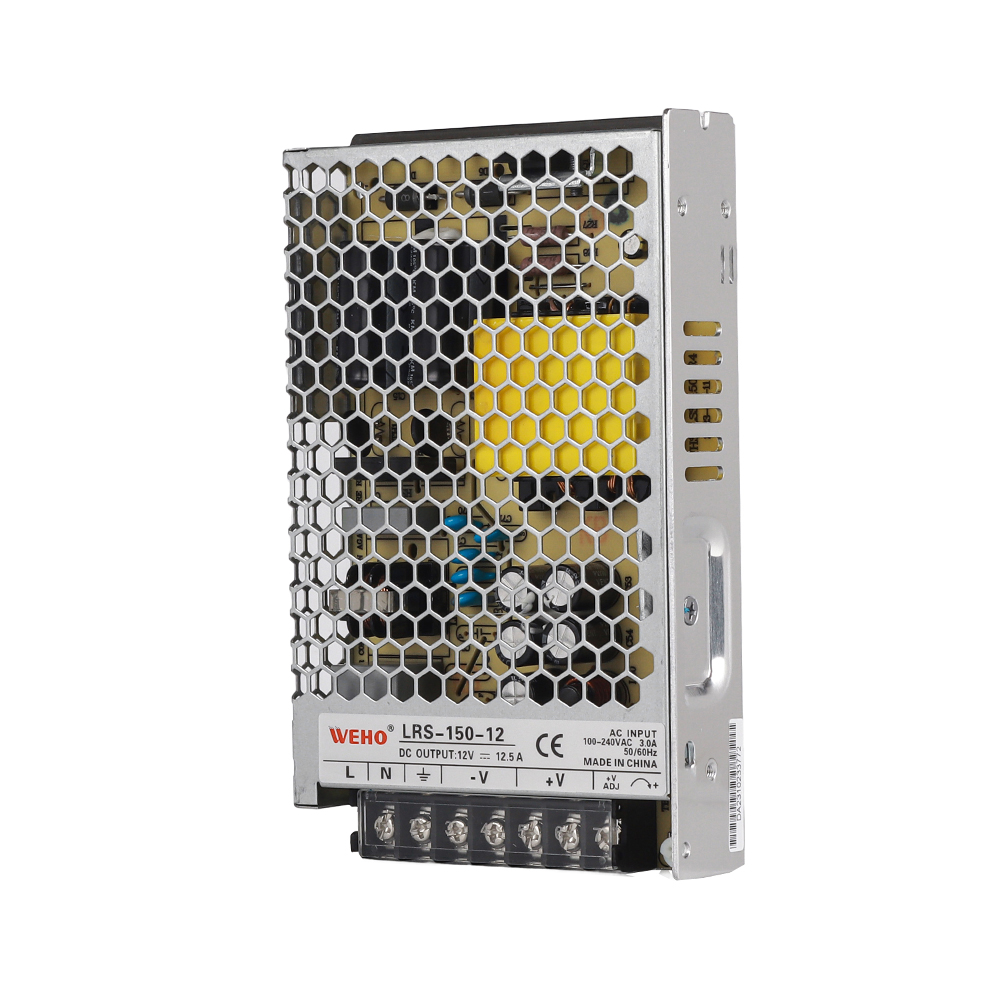
WEHO offers industrial power supply products for different applications. When selecting a 12V supply, request the current datasheet and confirm the input range, output rating, protection functions, installation conditions and relevant documentation for the exact model. Discuss service and replacement requirements with WEHO.
FAQs
What causes voltage fluctuation in a switching power supply?
Possible causes include input changes, varying load, wiring or connection voltage drop, and an internal fault. Qualified diagnosis is needed to establish the cause.
Why does a switching power supply produce noise or ripple?
Ripple can be affected by load, measurement setup, grounding and the condition of the supply. Compare a properly measured result with the specified limit for the exact model and test conditions.
Is overheating normal in switching power supplies?
Some warming during operation can be normal. Assess temperature, ventilation and load against the manufacturer’s limits; stop using a unit that shows signs of damage or abnormal heat and arrange inspection.
What protection features should a reliable power supply include?
The necessary protections depend on the application. Review the exact model’s overvoltage, overcurrent, short-circuit and temperature protection specifications where applicable, including their operating and recovery conditions.
উপসংহার
Understanding common faults of a 12V switching power supply can help reduce downtime and support better maintenance decisions. Document symptoms, verify installation and model-specific ratings, and refer internal repair to qualified personnel. For a replacement, confirm the exact requirements with WEHO.