Einführung
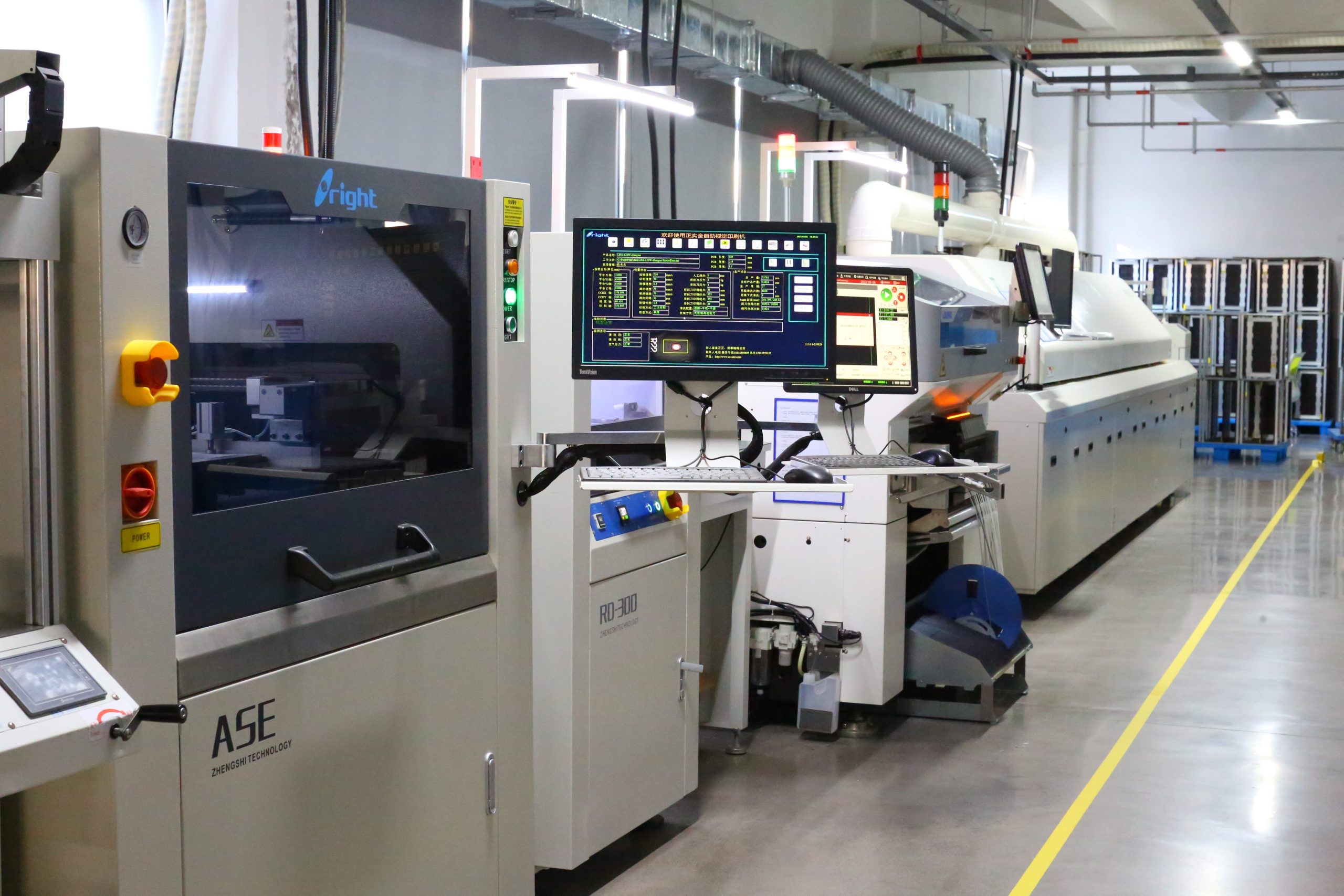
Wenn ein Wechselrichter auf einer Baustelle, in einem Telekom-Unterstand oder in einem Schaltschrank ausfällt, sind die Kosten selten nur die Ersatzeinheit. Ausfallzeiten, Serviceanrufe und beschädigte Downstream-Geräte stellen normalerweise die Rechnung in den Schatten. Als Hersteller von industriellen Stromversorgungen baut WEHO Power eine Reihe von Komponenten auf, um die Kosten zu senken. Industrielle Power Inverter und läuft jede Einheit durch eine 100% Hochtemperatur-Volllast-Burn-in-Test vor shipment. That Prozess hat die gleiche Handvoll aufgetaucht von Power Inverter Fehler Dieses Handbuch erklärt die häufigsten Fehlermodi, warum sie auftreten, wie Sie sie beheben und-noch wichtiger-wie Sie sie verhindern können, bevor sie Ihr System offline nehmen.
Unsere Wechselrichter sind Industrie-und Fahrzeug-Hilfs-DC-AC-Einheiten (12V/24V/48V zu AC); Dieser Artikel konzentriert sich auf die Anwendungen und die Feldbedingungen, die die meisten Renditen verursachen. Die folgenden Muster stammen aus echten Burn-in-Daten und Kundenfehlerberichten über eine Modellpalette von mehr als 1000, die nach ISO9001, CE, RoHS, FCC und CCC zertifiziert sind.
Was ist ein Power Inverter und wie funktioniert er?
Ein Leistungswechselrichter wandelt Gleichstrom (DC) von einer Batteriebank, einer DC-Anlage oder einem DC-Bus in Wechselstrom (AC) um, der Motoren, Steuerungen, Sensoren und Geräte der Büroklasse antreibt. Ein reiner Sinus-Wechselrichter erzeugt eine saubere Wellenform, die empfindliche Elektronik ohne Brummen, Überhitzen oder Fehler akzeptiert. Im Inneren des Gehäuses stabilisiert eine DC-DC-Stufe den Bus, eine Brücke von Schaltgeräten zerhackt ihn in Wechselstrom, Ein Filter mehr Regelkreis formt den Ausgang auf eine enge Spannung und Frequenz. WEHO Industrielle Power Inverter Es umfasst mehr als 1000 Modelle mit ISO9001-, CE-, RoHS-, FCC-und CCC-Zertifizierungen und unterstützt OEM/ODM für Volumenkäufer.
Da ein Wechselrichter zwischen einer instabilen Quelle und einer empfindlichen Last sitzt, erträgt er Eingangsschwankungen, Hitze und Einschaltvorgänge gleichzeitig. Inverter Fehler Ursachen Es kann auf eine dieser Spannungen zurückgeführt werden, die auf Systemebene schlecht gehandhabt werden-kein Defekt im Wechselrichter.

Allgemeine Power Inverter Ausfälle und ihre Ursachen
Im Folgenden sind die Fehlermodi, die wir am häufigsten in zurückgegebenen Einheiten und Feldberichten sehen. Jede Zuordnung zu einer Ursache, die Sie normalerweise finden und beheben können, bevor der Wechselrichter zerstört wird.
Überhitzungsprobleme
Wärme ist der Killer Nummer eins von Wechselrichtern. Wenn die Umgebungstemperatur hoch ist, das Gehäuse in einen versiegelten Schrank gepfercht wird oder der Kühlweg durch Staub blockiert ist, steigt die Innentemperatur, bis der Übertemperaturschutz auslöst. Ein großer Teil der gemeldeten Probleme mit dem Power Inverter beginnen mit Wärme: wiederholte thermische Zyklen backen Kondensatoren und Lötstellen, weshalb Inverter über Temperaturschutz Trips sind die häufigste Frühwarnung für ein tieferes Belüftungsproblem.
Überlastung und überlaufende Schutzprobleme
Starten eines Motors oder Kompressors zieht mehrere Male seinen laufenden Strom für ein paar Sekunden. Wenn der Wechselrichter zu klein dimensioniert ist, feuert der Überstromschutz ständig-das eigentliche Problem ist in der Regel eine zu kleine Einheit oder ein nicht verwalteter Einschalt, kein Defekt.
Batterie-oder DC-Eingangsprobleme
An inverter is only as healthy as its DC source. Loose terminals, undersized wiring with voltage drop, a half-charged bank, or reversed polarity all trigger low-voltage cut-off or permanent input damage. We routinely trace “dead inverter” calls back to a corroded lug rather than the inverter.
Kondensatorfehler
Electrolytic capacitors age faster under heat. In ventilation-limited cabinets they bulge and leak, taking down the DC bus and output filter together. This is a slow failure — performance degrades long before the unit stops, so it is easy to miss.
Cooling Fan gescheitert
In forced-air inverters the fan is a wear item. A seized or slow fan quietly removes the unit’s only heat-escape path, and within minutes the over-temperature protection begins cycling. Because the inverter may still power the load, operators often miss the warning until a second component fails.
Kurzschlussschutz Trigger
A damaged load cable, water ingress, or a shorted appliance trips the short-circuit protection. That is the protection doing its job — but chronic triggering means the load side has a recurring fault that must be repaired, not reset.
Probleme mit der Ausgangsspannung oder Frequenz
When the control loop loses calibration — often after a capacitor or feedback-component failure — the output voltage or frequency drifts outside the load’s tolerance. Sensitive controllers then fault or reboot, which looks like a “load problem” but is really an inverter regulation failure that needs service or replacement.
Need an Inverter That Survives Your Environment?
WEHO industrial inverters are built for harsh cabinets and tested at full load under high temperature. Tell us your load, input voltage, and mounting constraints and our engineers will match the right model from our 1000+ certified range.
Wie man Power Inverter Fehler beheben
Use this Power Inverter Troubleshooting routine before you condemn the unit. It resolves most field calls by isolating the root cause to the source, the load, the cooling, or the inverter itself.
Schritt 1: Überprüfen Sie die Eingangsleistung
Measure the battery or DC bus voltage at the inverter terminals under load, not just at rest. A reading that collapses under load points to the source or wiring, not the inverter. Confirm polarity and that the terminal voltage stays inside the rated DC range.
Schritt 2: Ladebedingungen überprüfen
Disconnect everything and add loads one at a time. If the trip follows a specific motor or tool, the load — or its inrush current — is the problem, not the inverter. Note the running and startup watts of each device.
Schritt 3: Kühlsystem prüfen
Listen for the fan, look for dust blocking the fins, and confirm airflow is not pointed into a dead pocket of the cabinet. A slow or seized fan is the fastest route to chronic over-temperature shutdown.
Schritt 4: Fehlercodes und Schutzstatus überprüfen
Read any LED or display codes and cross-reference them with the manual. Knowing whether over-current, over-temperature, or low-voltage protection engaged tells you exactly which subsystem to inspect next.
Schritt 5: Test der Output-Leistung
With a true-RMS meter, check output voltage and frequency against the spec. Drift here means the inverter’s regulation has failed and the unit should be serviced or replaced rather than returned as “unknown failure.”
Inverter Sizing & Health Checklist
| Check Item | Why It Matters | Pass Criteria |
|---|---|---|
| Total running load + surge | Prevents chronic OCP and overload trips | Inverter rating ≥ running watts + largest startup surge |
| DC input voltage under load | Weak source causes low-voltage cut-off | Terminal voltage stays within rated DC range at full load |
| Ventilation clearance | Removes over-temperature shutdown risk | Clearance per manual; no blocked fan intake or exhaust |
| Cooling fan operation | Fan failure leads to rapid overheating | Fan spins freely, no grinding, correct airflow direction |
| Built-in protections present | Contains faults before they destroy the unit | OTP, OCP, SCP, and low-voltage cut-off all listed |
| Maintenance cadence | Extends life of capacitors and fan | Dust, fan, and terminal-torque check logged quarterly |
Wie man Power Inverter Fehler verhindert
Prevention is cheaper than a truck roll. These six steps remove the root causes behind almost every failure listed above. For supporting DC infrastructure, pair the inverter with a quality Geschlossene Stromversorgung and the right high-power SMPS for the DC bus.
Wählen Sie den richtigen Inverter
Add running watts for every device, then add the largest startup surge on top. A unit running at 80–90% of its rating all day will overheat — leave headroom so it spends most of its life well below its limit.
Sicherstellung der richtigen Installation
Mount vertically where the fan pulls cool air, keep clearance above and below, and never bury the inverter behind cable trays. A ventilation-limited cabinet is the most common cause of chronic overheating and the easiest to avoid at install time.
Überprüfen Sie die DC Input Voltage Kompatibilität
Use properly sized cable, torque the terminals, and confirm battery state of charge. For mixed 12V/24V/48V systems, a DC-DC-Wandler stage keeps the inverter’s input clean, stable, and within its rated window.
Wärme richtig managen
Keep ambient below the rated limit, add cabinet fans or filtered intake if needed, and place the inverter away from other heat sources. Heat is cumulative across every component in the box, so a small cooling improvement pays back across the whole unit.
Regelmäßige Wartung durchführen
Quarterly: blow out dust, listen to the fan, and verify terminal torque. WEHO’s 100% high-temperature full-load burn-in already screens weak components at the factory, but field dust and vibration are yours to manage on a schedule.
Verlassen Sie sich auf integrierte Schutzfunktionen (Überspannung, Überstrom, Übertemperatur, Kurzschluss)
Specify units with over-voltage, over-current, over-temperature, and short-circuit protection as standard. Our inverters carry ISO9001, CE, RoHS, FCC, and CCC certifications across 1000+ models, with OEM/ODM support for volume buyers.
Gemeinsame Anwendungen und Misserfolge
Different deployments stress an inverter differently. Plan the weak points before you install rather than after a failure.
Telekommunikations-und Kommunikations-Backup-Systeme
Shelters run -48V DC plants. Inverter failures here usually come from heat and dust in unsealed cabinets. Size for the worst summer ambient and keep the intake filtered so the over-temperature protection never has to engage.
Industrielle Anwendungen
Control panels and machinery add motor inrush. Use the surge rating, not the running rating, and keep the inverter away from VFD and other heat sources that raise the local ambient.
Das Backup Power System
Battery-backed AC keeps critical loads alive during outages. The failure risk is the battery side: a weak bank drops below cut-off the moment the load spikes, so validate the battery bank during commissioning.
Fahrzeug-Inverter
For service trucks and auxiliary equipment we supply 12V/24V/48V-to-AC inverters and matching 24V/48V-to-12V DC-DC stages for cabin and accessory power. Note the red line: these are auxiliary and industrial vehicle inverters only. We do not build automotive main traction power, onboard chargers, or vehicle-OEM BMS — keep the inverter on the auxiliary side and size it to the accessory load.
FAQs
Warum scheitern Power-Inverter?
Heat and undersizing. A ventilation-limited cabinet plus a unit running near its limit will eventually trip over-temperature or cook its capacitors. Sizing with surge headroom and providing real airflow prevents the majority of failures we see returned.
Was ist der häufigste Inverter-Fehler?
Over-temperature shutdown from blocked or failed cooling is the most common field failure, followed by overload and overcurrent trips on undersized units and DC-input problems from corroded battery connections.
Wie lange hält ein Power Inverter?
A well-sized, well-ventilated industrial inverter typically runs for many years. Lifespan is dominated by operating temperature and the electrolytic capacitors: cooler cabinets and a clean fan path can double service life versus a sealed, hot enclosure.
Was passiert, wenn die DC-Eingangsspannung nicht mit der Nennleistung des Wechselrichters übereinstimmt?
If the voltage is too low, the inverter hits low-voltage cut-off and drops the load; if too high, the input stage can be damaged or the over-voltage protection will shut it down. Always match the DC source to the inverter’s rated input window before commissioning.
Welche Schutzeigenschaften sollte ein zuverlässiger Wechselrichter haben?
At minimum: over-temperature, over-current, short-circuit, and low-voltage (under-voltage) protection. These contain faults before they destroy the unit and let the system report the cause instead of failing silently. WEHO units include all four as standard across the range.
Abschluss
Most Power Inverter Fehler are predictable and preventable. Heat, undersizing, weak DC input, and ignored maintenance cause the overwhelming majority of field returns. Follow the troubleshooting steps when something goes wrong and the prevention checklist before you install, and your inverter will deliver years of stable DC-to-AC power. WEHO Power’s 100% high-temperature full-load burn-in and certified 1000+ model range give you a tested starting point.
Specify the Right Inverter With WEHO
Send us your load profile, input voltage, and environment and our engineers will recommend a sized, certified inverter from our industrial range with OEM/ODM options.