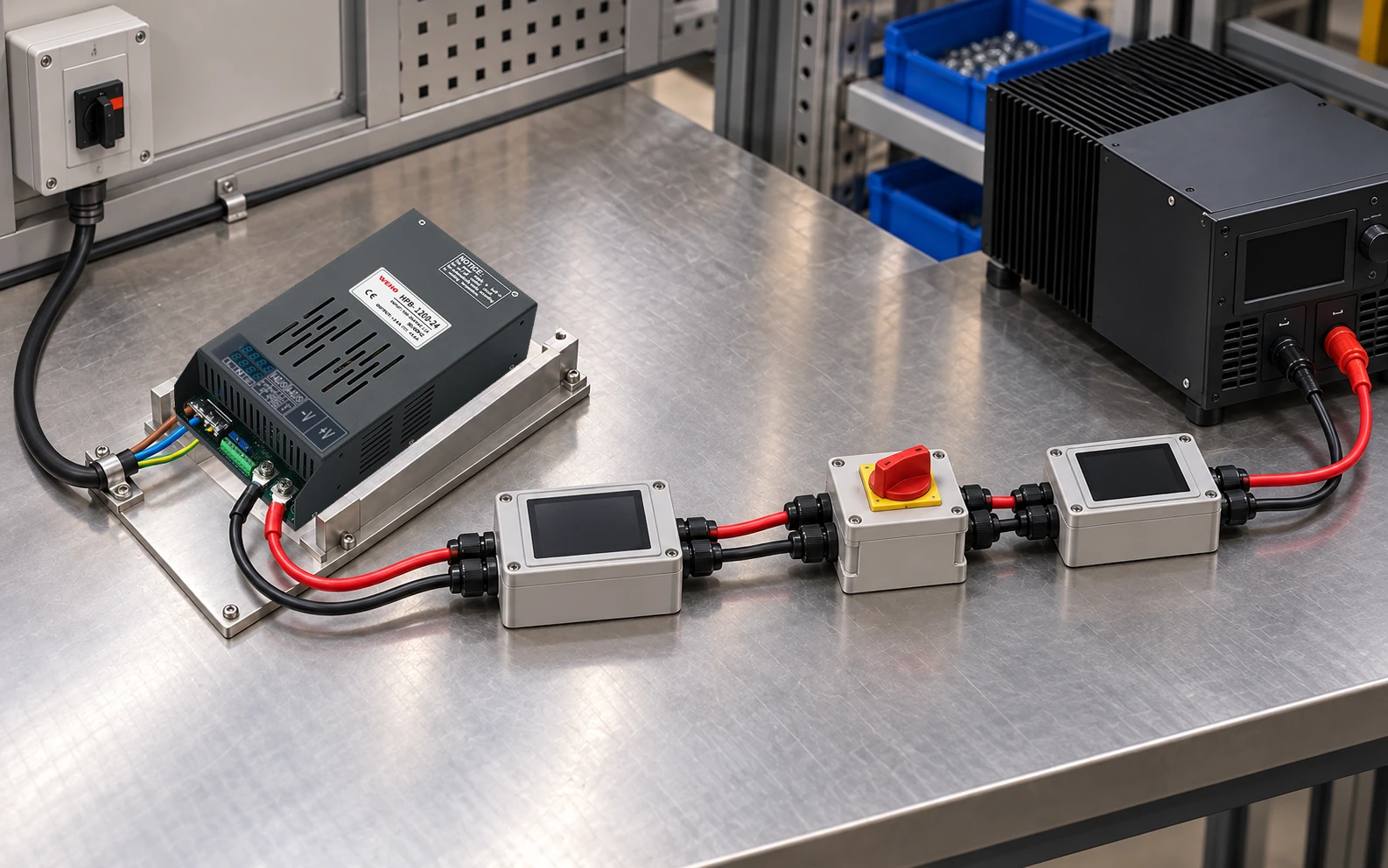
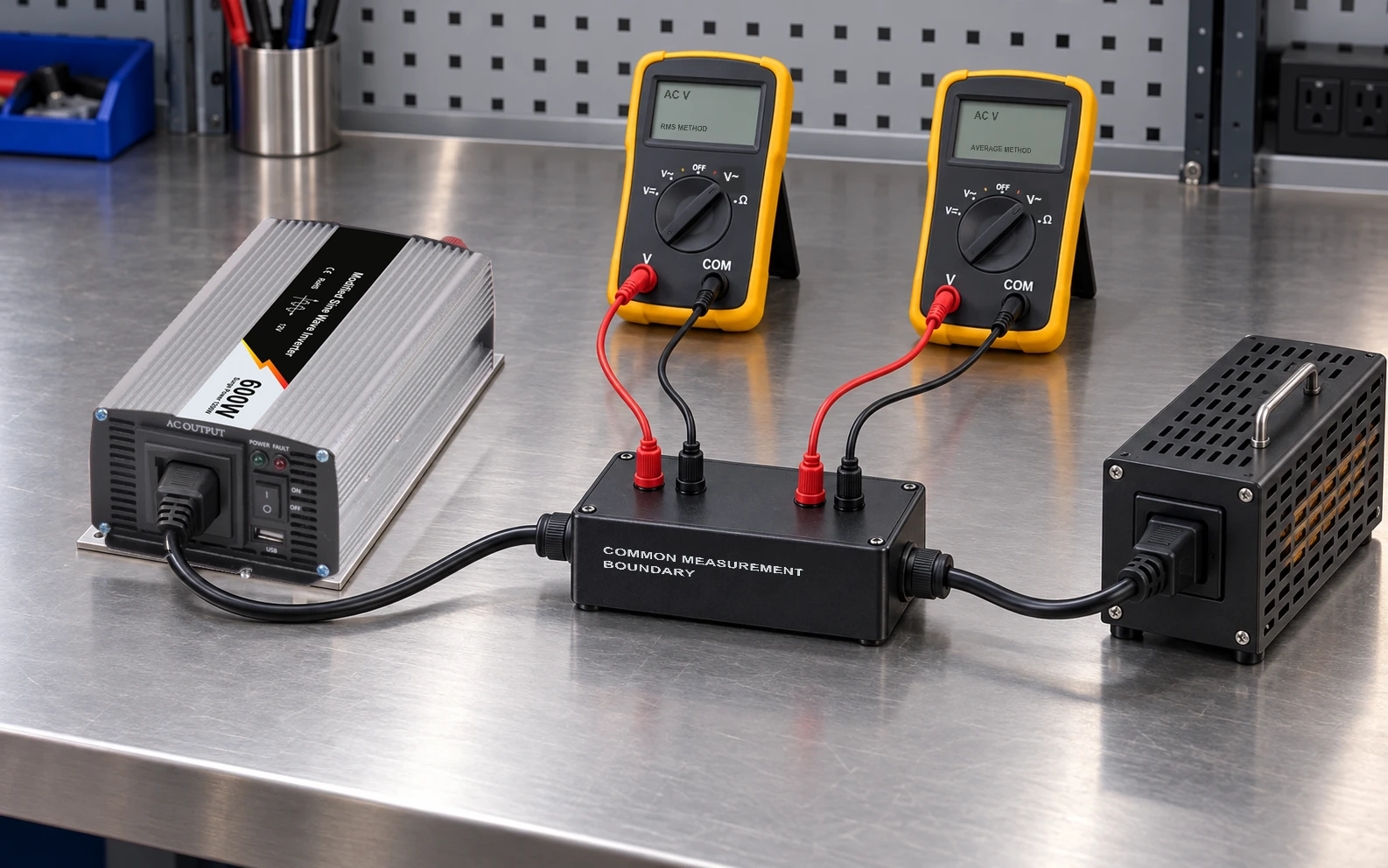
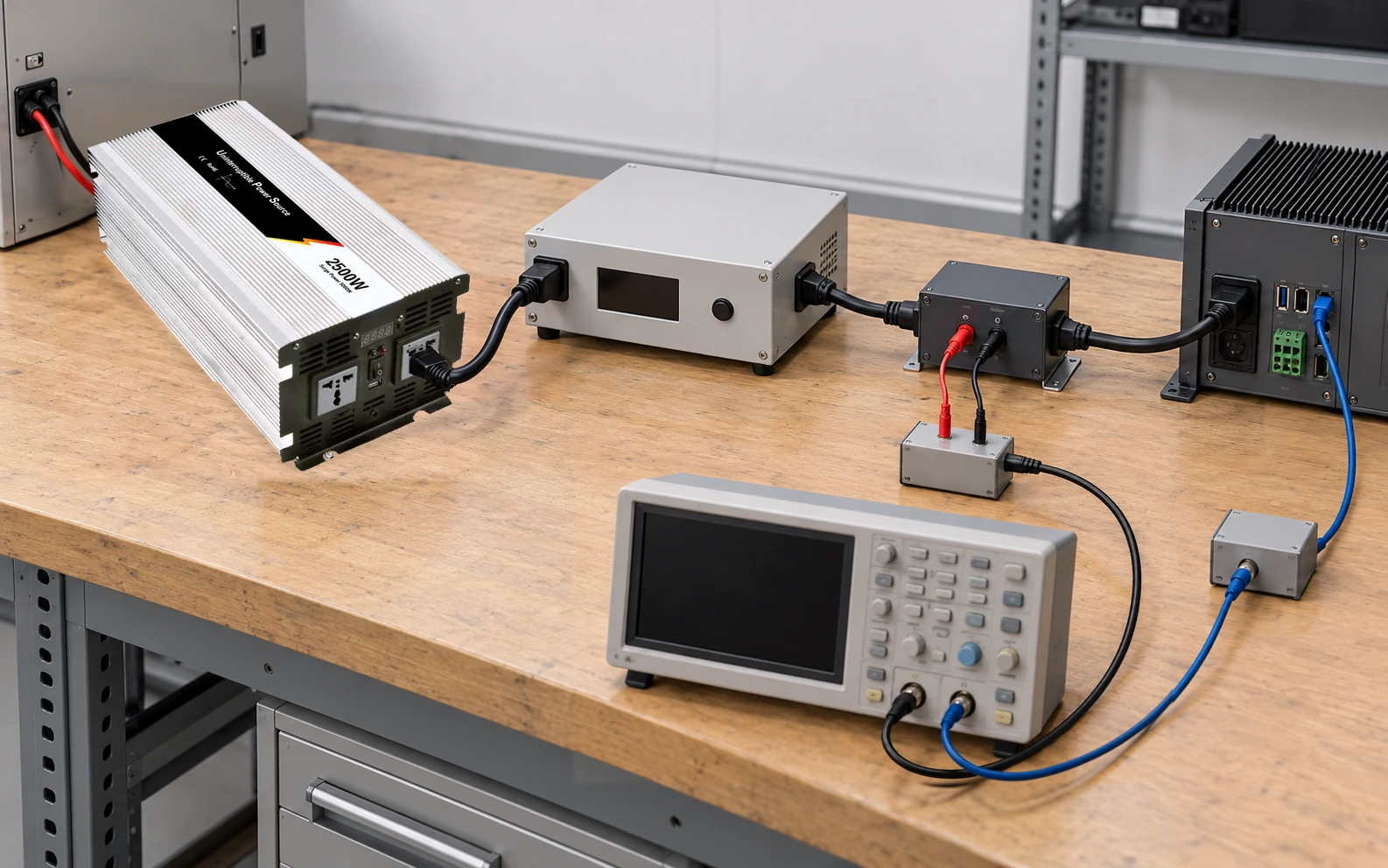
Power supplies convert electrical energy into the form required by equipment. Understanding the difference between alternating current (AC) and direct current (DC), and identifying a power supply's input and output separately, helps you select equipment for industrial systems, appliances, and electronics.
Featured product: WEHO SD-25C-12 DC-DC converter. Check the exact model documentation before selection.
An AC-output supply delivers alternating voltage to its load. A DC-output supply delivers direct voltage; its input may be AC or DC. For example, an AC-DC power supply accepts AC input and provides DC output, while a DC-DC converter accepts DC input and provides DC output. Check the exact model's input and output ratings before selection.
Learn more: What Does a Power Supply Do?
Understanding AC and DC Power
What Is AC Power?
AC, or alternating current, periodically changes direction. Mains electricity is commonly supplied as AC. Its voltage is often approximately sinusoidal, although AC waveforms are not limited to sine waves.
Learn more: How to Better Understand AC DC Power Supplies
What Is an AC Power Supply?
An AC-output power supply delivers or regulates alternating voltage. AC is used by many motors, appliances, and industrial systems, depending on their design. A device described as having an AC input does not necessarily have an AC output: an AC-DC supply converts its AC input to DC for the load.
Learn more: What AC-DC Adapter Do I Need?
What Is DC Power?
DC, or direct current, flows in one direction. Batteries and solar panels are common DC sources, although their voltage can vary with operating conditions. A DC output can also contain ripple; DC does not mean perfectly constant voltage.
Learn more: Is the Power Supply and the Transformer the Same Thing? y How to Convert DC to AC
What Is a DC Power Supply?
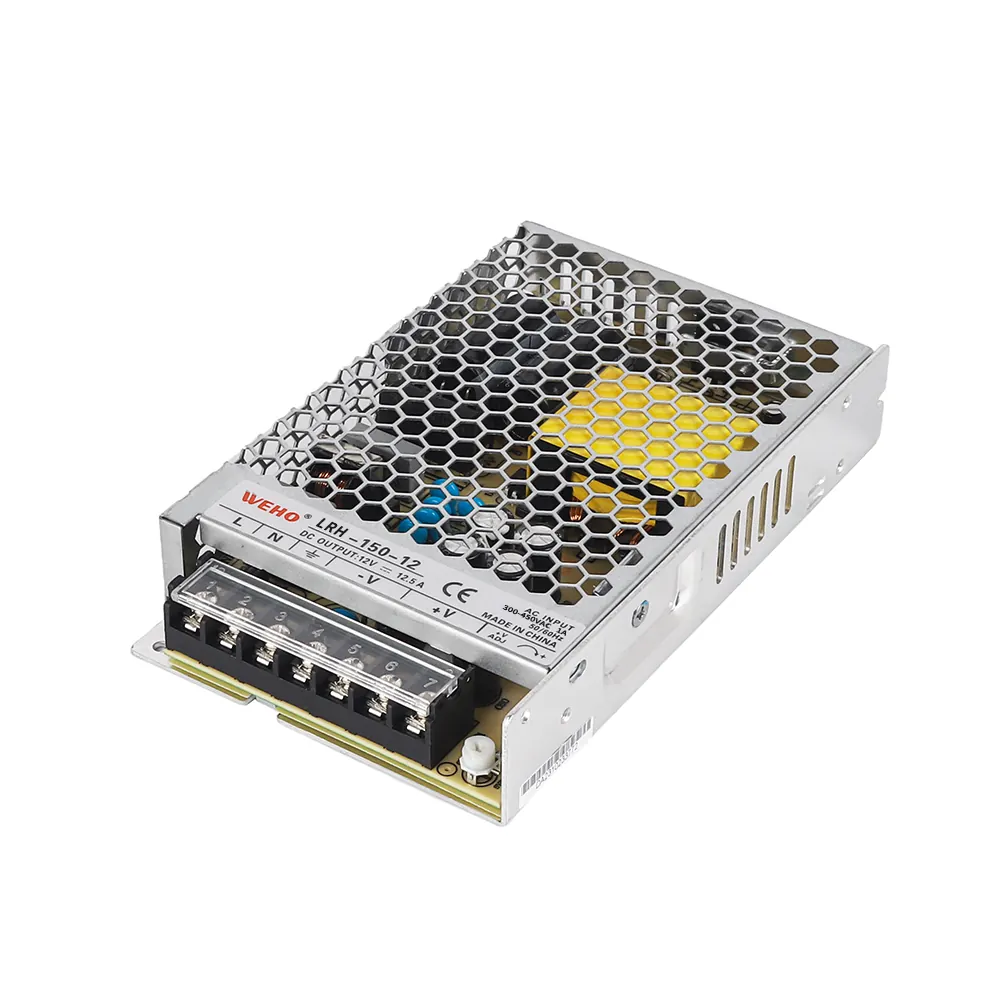
A DC power supply provides direct voltage to a load. An AC-DC supply obtains its input from an AC source, while a DC-DC converter obtains its input from a DC source. Computers, control circuits, and LED lighting often require DC internally, but the voltage and regulation requirements depend on the device. Connection methods include terminals as well as plugs and other connectors.
Learn more: What Is the Difference Between an LED Driver and a Power Supply?
Key Differences Between AC and DC Power Supplies
| Key difference | AC output | DC output |
|---|---|---|
| Current direction | Periodically reverses direction | Flows in one direction |
| Typical source | Grid or an AC-output source | Battery, solar panel, AC-DC supply, or DC-DC converter |
| Transmission | AC grids can use transformers to change voltage; losses depend on system design | High-voltage DC can also be suitable for long-distance transmission; compare the complete system |
| Conversión de voltaje | Transformers can change AC voltage at a suitable frequency | DC-DC converters can raise, lower, or otherwise regulate DC voltage |
| Device suitability | Used where a load requires AC of a specified voltage and frequency | Used where a load requires DC of a specified voltage, polarity, and current |
| Typical components | Depend on the supply's design and input/output | Depend on topology; AC-DC designs may include rectification, switching, filtering, and regulation |
| Voltage behavior | Waveform varies periodically; amplitude and frequency have tolerances | Regulated output has tolerances and ripple; unregulated output can vary |
Current Flow Direction
The fundamental distinction is the direction in which current flows. In AC power, current alternates direction. In DC power, current flows in one direction. This difference affects how electrical energy is converted and used.
Source of Power
AC is commonly generated and distributed through the electrical grid and is available from wall outlets. DC can come from batteries, solar panels, fuel cells, or power converters. The source voltage may vary, so check the load's permitted input range rather than assuming every DC source is constant.
Transmission Efficiency
AC transmission benefits from transformers that change voltage for distribution. High-voltage DC can also be efficient over long distances. Losses and costs depend on the distance, voltage, equipment, cable or line, and conversion stations; neither current type is universally better for every transmission system.
Voltage Conversion
Transformers can change AC voltage at an appropriate frequency. DC voltage can be stepped up, stepped down, or regulated with a Convertidor CC-CC. An inverter converts DC to AC; it is not the same as a DC-DC converter.
Suitability for Devices
Many appliances and industrial systems accept AC input, while electronic circuits often need DC. Some equipment accepts AC and converts it internally. Check the equipment label or manual for input type, voltage, frequency where applicable, current, polarity, connector, and environmental requirements. For low-voltage DC wiring, check that cable voltage drop at the expected load current stays within the equipment’s permitted input range.
Power Supply Components
An AC-DC power supply may use rectification, switching, filtering, and regulation to produce the required DC output. A DC-DC converter uses a suitable topology to change or regulate a DC input. The exact components, isolation, and protection features depend on the product and model.
Voltage Stability
A regulated DC supply aims to maintain its output within a specified range as input and load vary. It can still have ripple and noise. AC output voltage and frequency can also be regulated within specified limits. Compare the actual tolerance, ripple, and response requirements of the load with the power supply's specifications.
What Does Power Source AC Mean?
When a label reads “power source AC,” it indicates that the device is designed to receive alternating current from a compatible AC source. Check the rated voltage and frequency; an AC label alone does not establish compatibility with every outlet. The device may internally convert AC to DC if its components require direct current.
Learn more: The Difference Between a Power Supply and a Charger
Is It Better to Use AC or DC Power?
The choice depends on the application and the equipment's specified input. Systems often use both: for example, an AC-DC power supply can receive a compatible AC input and provide the DC voltage required by a controller. A DC-DC converter may be appropriate when the available source is DC and a different compatible DC output is needed.
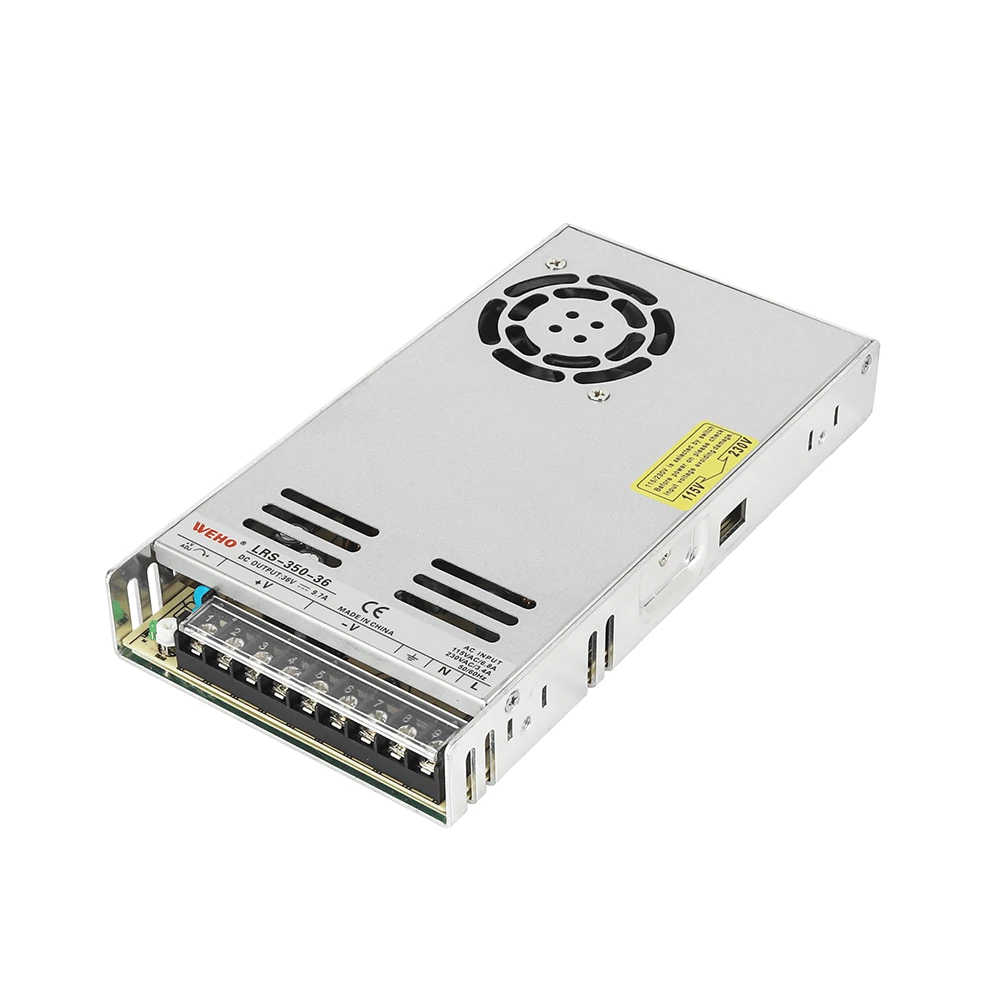
For example, the WEHO LRS-600 series AC-DC power supply provides a range of DC-output models. Check the exact model's input voltage selection, output ratings, installation, cooling, and application requirements before choosing it.
Conclusión
Understanding the differences between AC and DC helps in selecting components for electrical and electronic systems. First identify the available source and the load's required input; then select a supply with compatible voltage, current, frequency or polarity, connectors, and installation conditions.
An AC-DC or DC-DC supply may serve different parts of the same system. Refer to the exact model's specifications and consult a qualified professional for installation and electrical safety.