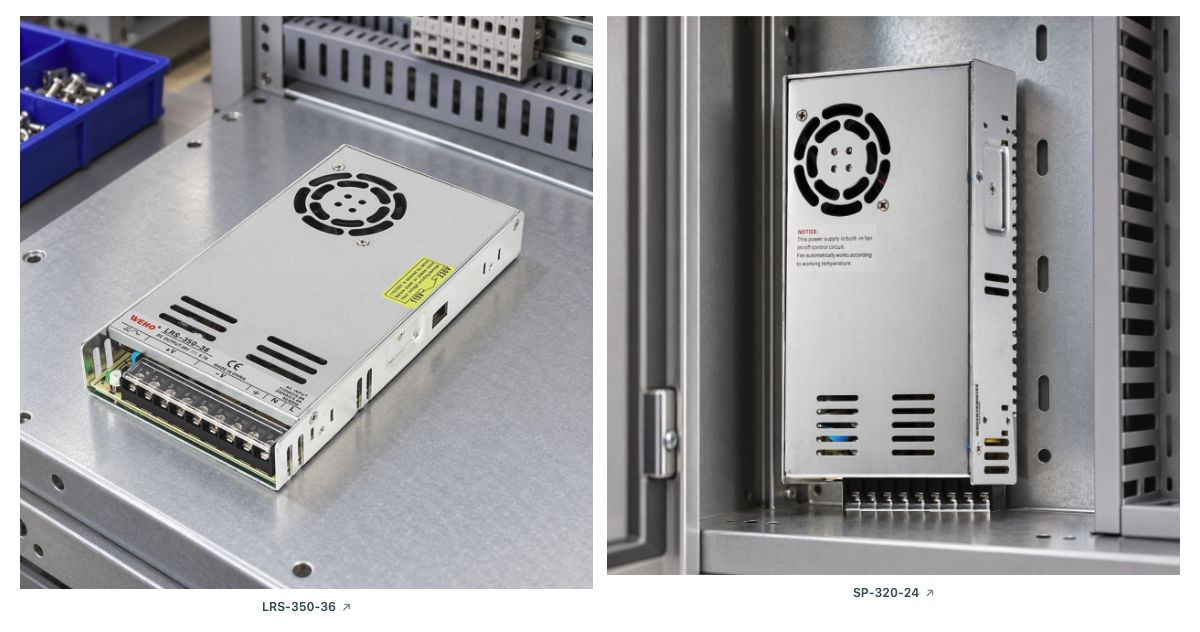
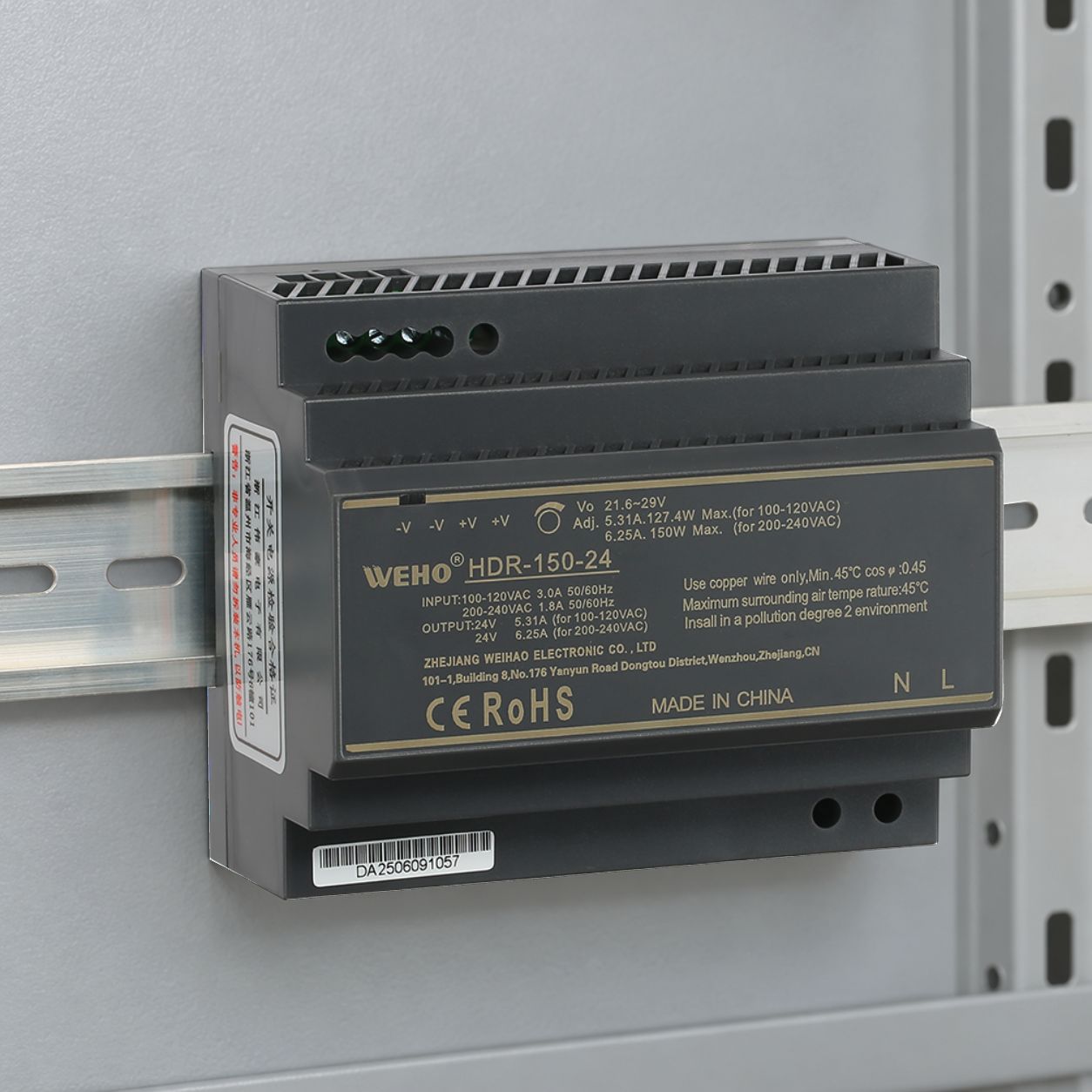
An OFF command to an AC solid-state relay does not establish that the downstream switching power supply is de-energized. Check the relay’s actual input state, its specified output leakage and load conditions, and the power supply’s response over time. A residual-voltage reading, a glowing indicator and a repeated restart are different observations; each needs its own evidence before selecting a remedy.
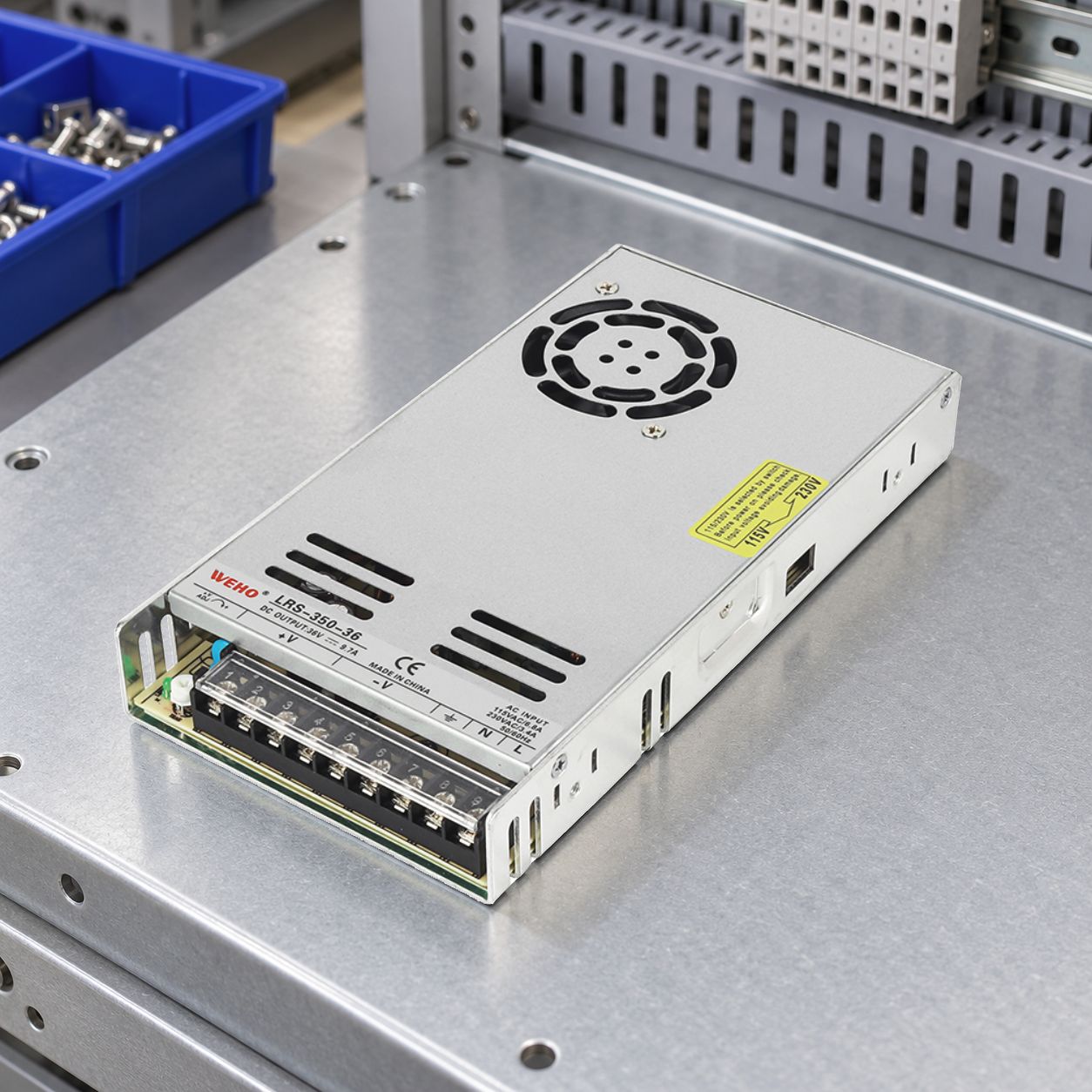
This guide helps OEM engineers prepare an SSR–SMPS compatibility investigation. It does not specify a universal discharge component or a live-mains test connection. The qualified test owner should define the isolation arrangements, instruments and acceptance limits for the actual equipment.
1. Separate the command, switching state and stored energy
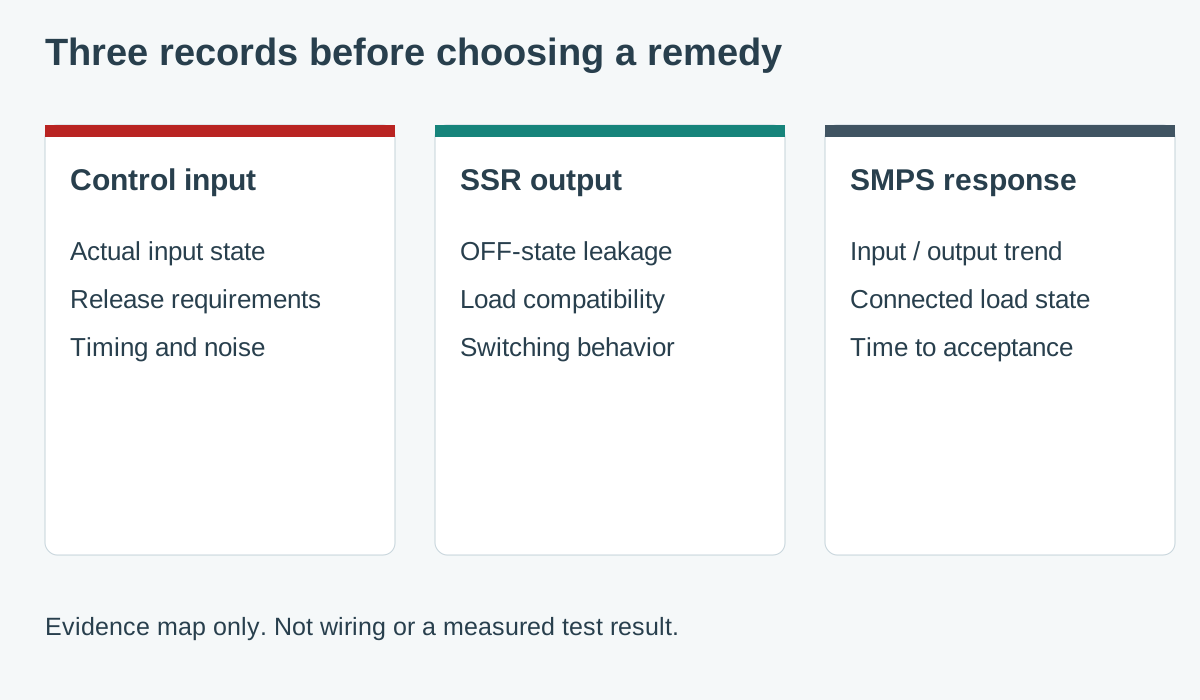
The controller’s output bit describes a command. The SSR input has its own operate and release conditions. Even when that input is correctly released, the output may pass the small current specified for its OFF state. Separately, a power supply can retain stored energy after its input source has been removed. These facts prevent an indicator alone from identifying the cause.
OMRON’s SSR turn-OFF FAQ distinguishes input-side reset problems from output-side leakage and commutation problems. Use that distinction to organize the investigation; do not copy its component examples into an unrelated power-supply installation.
OMRON defines SSR leakage current under a specified load voltage with the output OFF. That is a property to obtain for the exact relay and conditions. It is not the same quantity as the power supply’s protective-conductor or touch current, which follows a different path and assessment method.
If the concern is earth-current measurement, use the separate system residual-current budget. An SSR load-path investigation should not be diagnosed from that budget alone.
2. Turn “still on” into a time record
Describe what remains active and for how long. Does the output fall once and stay below the equipment’s defined OFF-state limit? Does it plateau? Does an indicator flash periodically? Does the connected device actually function? Record the OFF command time alongside the relevant electrical and functional observations using the approved test plan.
A high-impedance voltage indication cannot, by itself, establish the current or energy available to the downstream load. Conversely, an apparently dark indicator does not establish a safe isolated condition. Preserve the instrument type and measurement conditions so that the test owner can interpret the observation correctly.
| Observation | Record with it | Question still to resolve |
|---|---|---|
| DC output decays after OFF | Initial/final voltage, elapsed time and connected load. | Does the decay satisfy the equipment’s documented OFF-state requirement? |
| Voltage remains detectable | Measurement impedance, waveform and operating state. | Is the source stored charge, continuing current or another connection? |
| Indicator flashes or output repeats | Cycle timing and simultaneous input/output traces where appropriate. | Does the evidence support repeated charging/startup, an input-control problem or a different cause? |
| SSR input fails to release | Actual input level and the exact relay’s release limits. | Is the controller interface meeting the relay’s input conditions? |
| Load remains fully functional | Actual command, switching state, supply and load conditions. | Does the combination have a control, compatibility or fault issue requiring withdrawal? |
A small continuing input current could be relevant to a charging or restart hypothesis, but the input network, startup thresholds and internal consumption are model-specific. Do not label a periodic waveform as a WEHO failure mechanism without paired measurements and a manufacturer review.
3. Check the relay and power supply as an exact pair
For the SSR, obtain the full suffix, output technology, load-voltage range, maximum OFF-state leakage at the specified conditions, minimum load requirements, surge capability and the instructions for capacitive or rectified loads. For the power supply, obtain its exact revision, input arrangement, startup/inrush information and any published requirements for external switching devices.
OMRON’s SSR precautions treat capacitive loads and switching stresses separately from steady current ratings. A relay’s large ampere number therefore does not prove that a particular SMPS can be switched repeatedly under all relevant conditions. The same source identifies failure-to-turn-OFF as a relevant semiconductor failure mode; ordinary control switching must not be presented as the equipment’s sole safe-disconnection function.
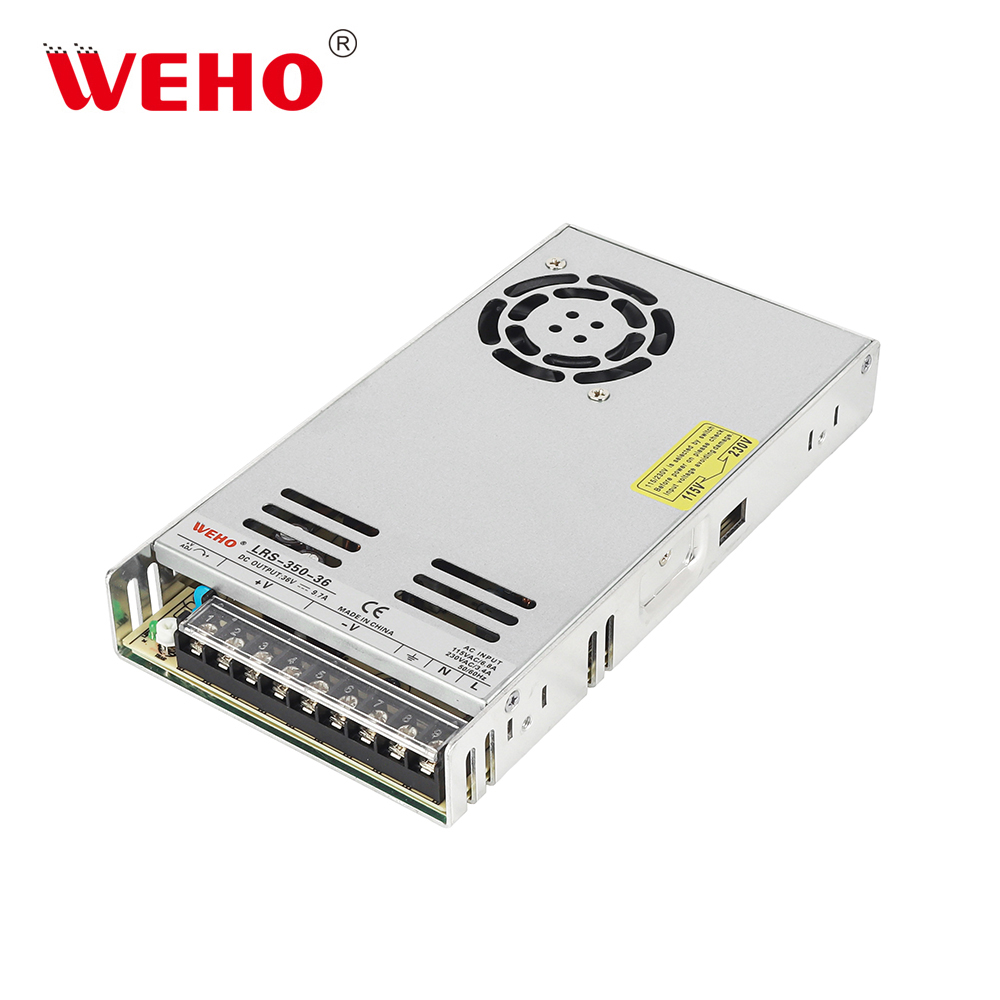
The pictured supply is an identity reference. No chosen SSR, guaranteed discharge time or measured residual voltage is assigned to it. Keep a copy of the applicable specification with the actual sample identification rather than transferring limits from a similar-looking unit.
4. Evaluate a proposed change as a new combination
Possible responses include correcting the control interface, selecting a switching device documented for the load, or using a manufacturer-reviewed discharge or suppression arrangement. The correct route depends on the diagnosed cause. A change that addresses a minimum-load condition may introduce dissipation, change input behavior or affect another acceptance requirement.
A bleeder or suppression network is therefore an engineering change, not a generic accessory. Request the proposed circuit, its ratings and thermal assessment, its effect on normal operation, and the evidence supporting the exact combination. This guide intentionally supplies no resistor or capacitor value for installation.
Where safe isolation or a defined stop function is required, have the responsible equipment designer specify that function and the appropriate devices. A controller OFF command, an SSR’s normal blocking behavior and an accepted means of disconnection are separate claims.
5. Define the OFF-state acceptance and release record
Write a measurable requirement for the equipment: which output or load must reach which state, within what time, under which load and input conditions. State the criteria for normal stopping, restart and any separately assessed fault behavior. “LED off” is suitable only if the equipment requirement genuinely concerns that indicator and does not stand in for an electrical-safety conclusion.
| Record field | Required evidence | Release decision |
|---|---|---|
| Configuration | SSR/supply revisions, input source, load and connected interfaces. | The tested pair matches the intended equipment. |
| OFF-state response | Command/input state, voltage/current observations and elapsed time. | The defined load and electrical limits are met. |
| Startup and cycling | Relevant starting, stopping and repeat-cycle conditions. | No unresolved incompatibility within the approved test scope. |
| Modification | Reviewed circuit, component ratings and thermal/functional checks. | The change is documented and requalified. |
| Safe disconnection | Equipment-level design and verification by its responsible party. | No safety claim is inferred from normal SSR operation. |