













Have you ever wondered why an LED light doesn’t simply plug directly into a wall outlet like an old incandescent bulb? The answer lies in the LED driver—a specialized power supply designed for the unique electrical characteristics of LEDs. Without this critical component, even the most advanced LED fixture will fail to function properly, or worse, suffer immediate damage. Understanding why an electronic driver is essential helps you make informed decisions when specifying or purchasing LED lighting systems.
5 Key Reasons Why All LED Lights Require a Driver
LEDs are fundamentally different from traditional lighting technologies. They require precise electrical conditions to operate safely and efficiently. The table below summarizes the five core reasons an LED driver is non-negotiable in any LED lighting application.
| कारण | Key Function | What Happens Without a Driver |
|---|---|---|
| Current Regulation | Limits current to safe, consistent levels | Uncontrolled current causes thermal runaway—LED overheats and fails within seconds |
| वोल्टेज रूपांतरण | Converts high AC mains to low DC voltage | Direct connection to 120V/230V AC instantly destroys the LED chip |
| Electrical Protection | Isolates from surges, spikes, and transients | Grid fluctuations, lightning strikes, or switching surges damage LED arrays |
| Brightness Stability | Maintains constant luminous output | Flickering, visible pulsing, and inconsistent illumination |
| Extended Lifespan | Operates LEDs within safe electrical and thermal limits | Premature failure within months instead of rated 50,000+ hours |
Current regulation is arguably the most critical function of any lighting driver. LEDs are current-driven devices—they do not naturally limit the current flowing through them. If connected directly to a constant voltage source, an LED will draw exponentially more current as it heats up, leading to a destructive cycle called thermal runaway. A driver acts as a current governor, ensuring the LED receives precisely its rated current regardless of minor voltage fluctuations. Without this regulation, an LED’s lifespan shrinks from decades to mere seconds.
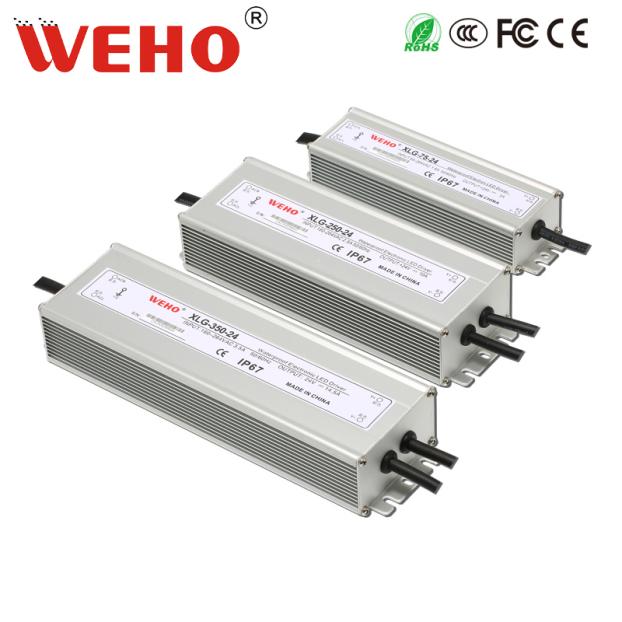
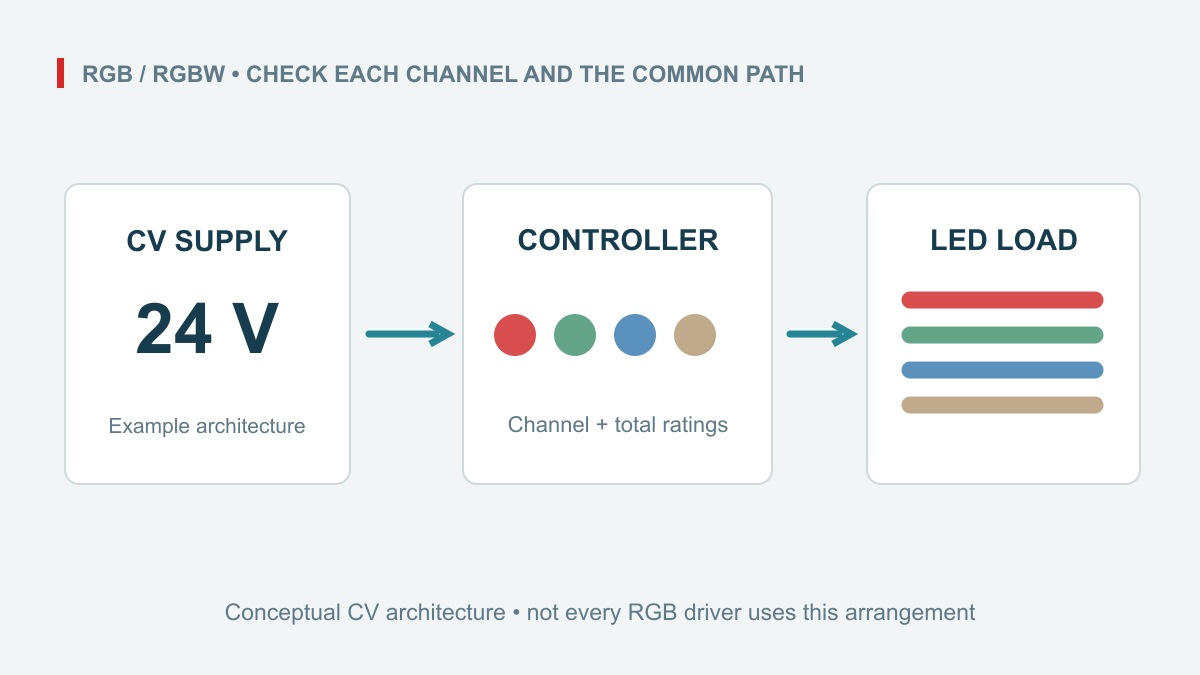
Voltage conversion addresses the fundamental incompatibility between standard electrical mains and LED requirements. Most LED chips operate on low-voltage DC, typically between 3V and 48V, while residential and commercial buildings supply 120V, 230V, or 277V alternating current (AC). An LED power supply steps down this voltage while rectifying AC to DC. Attempting to run an LED directly from mains voltage—even briefly—exceeds the chip’s reverse voltage rating, causing immediate junction breakdown and catastrophic failure.
Electrical protection provided by a quality driver safeguards LED installations from unpredictable grid conditions. Power surges from lightning strikes, switching of heavy equipment, or utility grid switching can send voltage spikes thousands of volts above nominal. Drivers incorporate surge protection components (varistors, transient voltage suppressors) that clamp these spikes before they reach the LED array. They also provide isolation between the AC line and low-voltage output, preventing electrical shock hazards and grounding issues.
Brightness stability differentiates professional lighting from unreliable consumer products. Without a properly designed driver, LED output fluctuates with input voltage variations—lights dim when large appliances cycle on, flicker during brownouts, or exhibit visible 100Hz/120Hz pulsing that causes eye strain and headaches. High-quality drivers employ constant current regulation with tight tolerances, ensuring stable illumination across a wide input voltage range and regardless of load variations.
Extended lifespan is the cumulative benefit of all other functions. LEDs themselves are rated for 50,000 to 100,000 hours of operation, but this longevity is only realized when electrical and thermal conditions are strictly controlled. A driver that precisely regulates current, converts voltage efficiently, protects against transients, and maintains stable output allows the LED to operate within its design parameters. Conversely, a poorly designed driver or—worse—the absence of a driver guarantees premature failure, negating LED technology’s primary advantage.
Why LED Drivers Are Important for LED Lighting
Beyond the five essential functions, LED drivers serve as the interface between lighting fixtures and building systems. They enable dimming compatibility with various control protocols (0-10V, DALI, PWM, phase-cut), facilitate emergency lighting integration, and allow fixtures to meet energy codes by maintaining power factor above 0.9. In commercial and industrial settings, drivers also provide the intelligence for color tuning, daylight harvesting, and networked lighting controls. Simply put, the driver determines not only whether an LED works, but how well it performs over its service life.
Common Applications of LED Drivers
LED drivers are deployed wherever LED lighting is installed. In residential settings, they power recessed downlights, under-cabinet lighting, and decorative fixtures—often integrated into the luminaire housing. Commercial applications include office troffers, parking garage fixtures, retail track lighting, and architectural cove lighting where multiple fixtures are powered by centralized drivers. Industrial environments demand rugged, sealed drivers for high-bay fixtures, explosion-proof lighting, and washdown areas. Outdoor applications such as streetlights, parking lots, and landscape lighting require weatherproof drivers with wide temperature tolerance.
पूछे जाने वाले प्रश्न
Do small LED lights still need drivers?
Yes, any LED—regardless of size—requires current regulation; some very small lights have tiny drivers built directly into the base or circuit board.
Can one LED driver power multiple LED lights?
Yes, provided the total wattage of all connected lights does not exceed the driver’s rated capacity and the voltage configuration is compatible (series or parallel).
Do LED drivers affect brightness?
Absolutely—the driver determines how consistently and accurately the LED maintains its intended brightness across varying input voltages and operating temperatures.
निष्कर्ष
All LED lights require drivers because LEDs cannot self-regulate current, cannot operate on high AC mains, and need protection from electrical threats. A proper LED power supply ensures stable brightness, maximum lifespan, and safe operation. Skimping on driver quality compromises the very benefits that make LED lighting superior.
Ready to specify LED drivers that deliver consistent performance and longevity? वेहो offers a comprehensive range of reliable, high-efficiency electronic drivers for residential, commercial, and industrial applications. Visit हमारा वेब to explore solutions tailored to your lighting needs.