














Have you ever reached for a power adapter to charge your phone, or plugged a laptop charger into a device expecting constant power? Although these terms are often used interchangeably, they serve fundamentally different purposes. Understanding the distinction between a แหล่งจ่ายไฟ and a charging device helps you select the right equipment, avoid compatibility issues, and protect your electronics. This guide clarifies the difference so you can make informed decisions for your business or personal use.
ก.คืออะไร อะแดปเตอร์ไฟฟ้า?
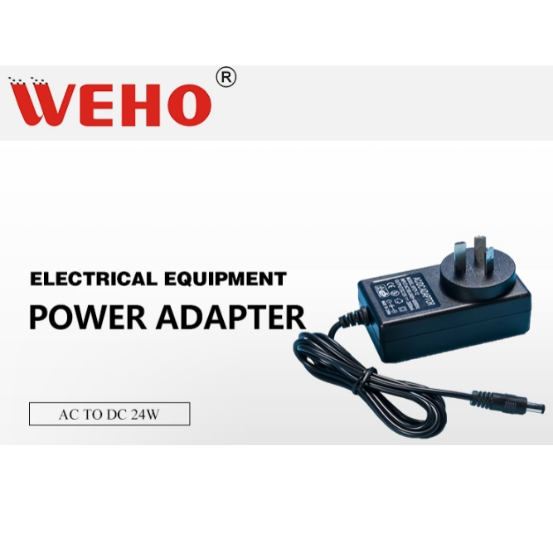
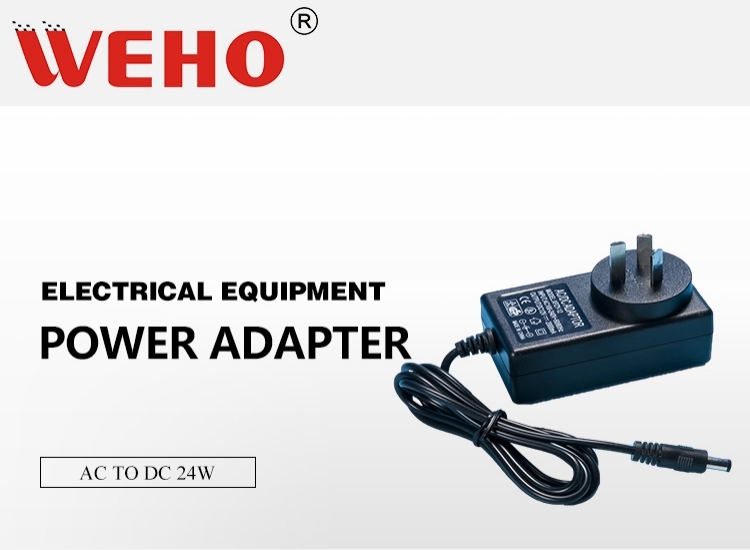
A power adapter, also known as an AC adapter หรือ DC adapter, is a device that converts mains alternating current (AC) into the low-voltage direct current (DC) required by electronic equipment. Its primary function is to act as a continuous แหล่งจ่ายไฟสลับ, delivering a steady, regulated voltage to power a device directly. Common examples include the adapters for routers, monitors, LED strips, and industrial control systems. Once connected, a power adapter supplies constant power for as long as the device remains on—it does not monitor battery status or manage charging cycles.
ก.คืออะไร Charger?
A charger is specifically designed to replenish batteries. It not only converts AC to DC but also incorporates charging logic that controls current and voltage according to the battery’s state of charge. Chargers typically follow a predefined charging algorithm—often constant current followed by constant voltage—and terminate or reduce output when the battery reaches full capacity. Smart chargers communicate with the device’s battery management system to optimize charging speed, safety, and long-term battery health. Common examples include phone chargers, laptop power bricks, and battery pack chargers.
Key Differences Between Power Adapter and Charger
The distinction between these two devices lies in their intended application and internal design. The table below outlines the primary differentiating factors.
| ด้าน | อะแดปเตอร์ไฟฟ้า | Charger |
|---|---|---|
| Primary Function | Provides continuous, regulated power to run a device | Replenishes energy in rechargeable batteries |
| Energy Storage | Powers devices without batteries or bypasses batteries | Designed specifically to charge batteries with appropriate algorithms |
| Output Control | Constant voltage output, maintains steady DC | Variable output based on battery state; may reduce or cut off when full |
| Load Behavior | Device draws current as needed; adapter supplies up to its rated maximum | Charger controls current delivery to prevent battery damage |
| แอปพลิเคชันทั่วไป | Routers, monitors, LED drivers, industrial equipment, audio gear | Smartphones, laptops, cordless tools, electric vehicles, battery packs |
Primary function is the most straightforward distinction. A power adapter is essentially a constant voltage source—it supplies steady DC power indefinitely, much like a wall outlet does for AC devices. A charger, by contrast, performs energy transfer with intelligence. It must recognize battery chemistry (lithium-ion, lead-acid, NiMH), apply appropriate charging curves, and terminate safely. Using a power adapter to charge a battery directly—without built-in charging circuitry—can overcharge and damage the battery, creating fire hazards.
Energy storage clarifies why these devices are not interchangeable. Devices powered by adapters either contain no battery (like a router) or bypass the battery when connected to external power (like a laptop running on AC). Chargers, however, are designed to interface with battery packs or devices containing battery management systems. They deliver power in a way that respects the battery’s voltage limits and charge acceptance rate.
การควบคุมเอาท์พุท reveals the engineering differences. A power adapter maintains a fixed output voltage regardless of load, up to its rated current. A charger’s output voltage varies depending on charging phase—lower during constant current phase, reaching full voltage during saturation, and dropping or stopping at termination. Additionally, chargers often include temperature monitoring to prevent overheating during fast charging.
Choosing a Reliable Solution—WEHO
Selecting between a power adapter and a charger depends entirely on your application. For equipment requiring continuous, stable DC power—such as industrial automation, LED lighting, or networking gear—a high-quality แหล่งจ่ายไฟสลับ จาก เราโฮ ensures reliable operation. Our power adapters are built with robust components, comprehensive protection features (overvoltage, overcurrent, short circuit), and efficiency ratings that reduce energy waste and heat generation. For applications that do involve battery charging, always use a dedicated charger that matches the battery chemistry and voltage.
At เราโฮ, we specialize in power solutions designed for demanding environments. Whether you need a dependable AC adapter for commercial equipment or a custom power supply for integration into your product, our engineering team delivers solutions that meet stringent quality standards. Explore our product range at เราโฮ to find the right fit for your power requirements.
คำถามที่พบบ่อย
Can a charger replace a power adapter?
Only if the device contains its own battery management circuitry and the charger provides the correct voltage; otherwise, using a charger as a power adapter can damage the device or fail to power it properly.
Are power adapters universal?
No—power adapters vary by output voltage, current capacity, polarity, connector type, and input voltage range; always match these specifications to your device.
What happens if I use the wrong adapter?
Using an incorrect adapter can cause insufficient power (device fails to operate), overvoltage (damages internal components), reversed polarity (immediate circuit failure), or overheating (fire risk).
บทสรุป
While power adapters and chargers may look similar, they serve distinct purposes: adapters provide continuous, regulated power for devices, while chargers manage battery replenishment with controlled algorithms. Selecting the correct type protects your equipment, ensures safety, and maintains performance.
For reliable, high-efficiency power adapters and industrial power supplies, trust เราโฮ. Visit เว็บของเรา to discover solutions engineered for durability and precision.