تعارف
Importance of Inductive Sensors in Automation
Inductive proximity sensors are widely used in industrial automation for detecting the presence or absence of metallic objects. They operate by generating an electromagnetic field and detecting the eddy currents induced in a metallic target when it enters the field. This non-contact detection method ensures durability and minimizes wear, making them ideal for harsh environments.
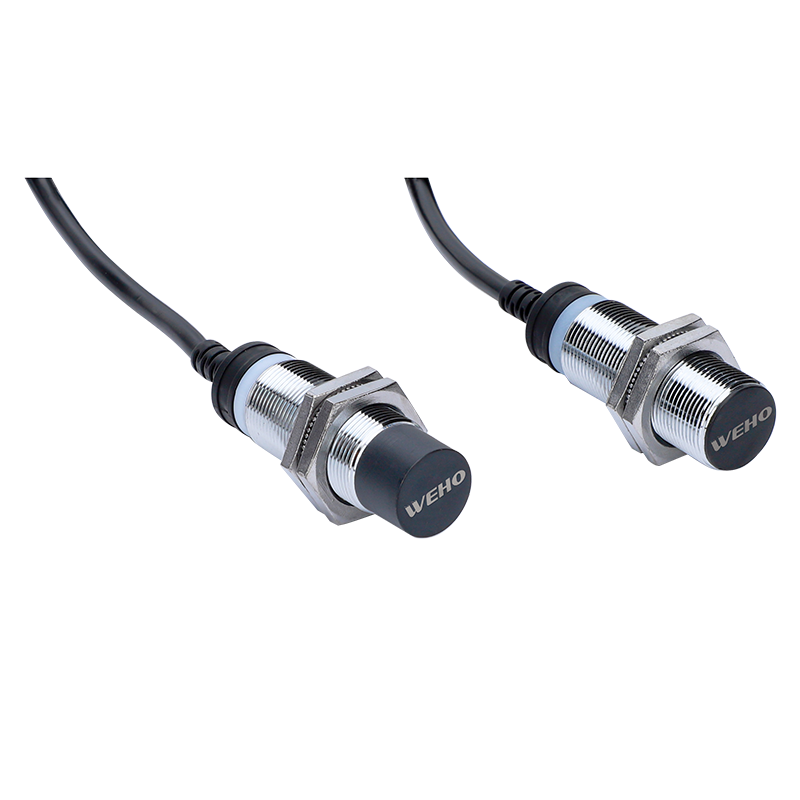
مزید جانیں: What is a Proximity Sensor
مزید جانیں: How Does a Proximity Sensor Work?
Why High-Speed Sensors Matter
In high-speed automation processes, such as high-speed counting, position verification, and speed detection, the ability to detect objects rapidly is crucial. High-speed inductive proximity sensors are designed to respond quickly to changes in the electromagnetic field, enabling precise control and monitoring of fast-moving parts.
مزید جانیں: The Ultimate Guide of Inductive Proximity Switches
How High-Speed Operation Is Achieved
High-speed operation in inductive proximity sensors is achieved through several key design features:
-
High-Frequency Oscillators: Utilizing high-frequency oscillators allows the sensor to detect rapid changes in the electromagnetic field.
-
Advanced Signal Processing: Implementing advanced signal processing techniques enables the sensor to quickly interpret the changes in the electromagnetic field and provide accurate detection.
-
Optimized Coil Design: Designing the sensor’s coil to efficiently generate and detect electromagnetic fields enhances the sensor’s response time and sensitivity.
-
Enhanced Electronics: Incorporating high-speed electronics reduces the time taken to process signals, allowing for faster response times.
5 Key Specifications of High-Speed Inductive Proximity Sensors
| تفصیلات | تفصیل | Example Value |
|---|---|---|
| Response Time | Time taken for the sensor to detect a change and output a signal | 0.075 ms (at maximum speed) |
| Sampling Rate | Frequency at which the sensor samples the electromagnetic field | 20,000 samples/sec (with digital filter) |
| Resolution | Smallest detectable change in the signal | High resolution (specific values vary by model) |
| Temperature Stability | Consistency of sensor performance across temperature variations | 0.07% of full scale per °C |
| Operating Temperature Range | Range of ambient temperatures within which the sensor operates effectively | -10°C to +60°C |
Response Time
Response time refers to the duration it takes for the sensor to detect a change in the electromagnetic field and output a corresponding signal. High-speed sensors have a response time as low as 0.075 milliseconds, enabling them to detect rapid movements accurately.
Sampling Rate
The sampling rate indicates how frequently the sensor samples the electromagnetic field to detect changes. High-speed sensors can have sampling rates up to 20,000 samples per second, allowing for precise detection of fast-moving objects .
Resolution
Resolution defines the smallest change in the detected signal that the sensor can distinguish. High-resolution sensors can detect minute changes in the electromagnetic field, providing accurate measurements even in high-speed applications.
مزید جانیں: Can an Inductive Proximity Sensor Detect Aluminum?
Temperature Stability
Temperature stability ensures that the sensor maintains consistent performance across a range of temperatures. High-speed sensors are designed to operate effectively in varying temperature conditions, with some models exhibiting minimal temperature drift, such as 0.07% of full scale per degree Celsius.
 نتیجہ
نتیجہ
High-speed inductive proximity sensors are essential for precise detection in high-speed automation applications. Their rapid response times, high sampling rates, and robust performance across varying temperatures make them invaluable in industries requiring fast and accurate detection of metallic objects. Understanding their key specifications helps in selecting the appropriate sensor for specific applications, ensuring optimal performance and reliability.
مزید جانیں: How to Test an Inductive Sensor? 6 Methods You Should Know
مزید جانیں: Inductive VS Capacitive Sensor: 9 Key Differences
زمرہ جات
مشہور مصنوعات

60V-72V سے 12V 15A 180W DC سے DC کنورٹر
15 اپریل 2026
60V-72V سے 12V 10A 120W DC سے DC کنورٹر
15 اپریل 2026وارننگ: فالس ان پر سرنی آفسیٹ تک رسائی حاصل کرنے کی کوشش کرنا /www/wwwroot/wehopower.com/wp-content/themes/weho/single-news.php آن لائن 128
" src="">
وسیع ان پٹ 12V/24V سے 6V 5A 30W DC سے DC کنورٹر
15 اپریل 2026
الگ تھلگ بک بوسٹ 24V 30A 720W DC سے DC کنورٹر
15 اپریل 2026
الگ تھلگ بک بوسٹ 24V 20A 480W DC سے DC کنورٹر
15 اپریل 2026