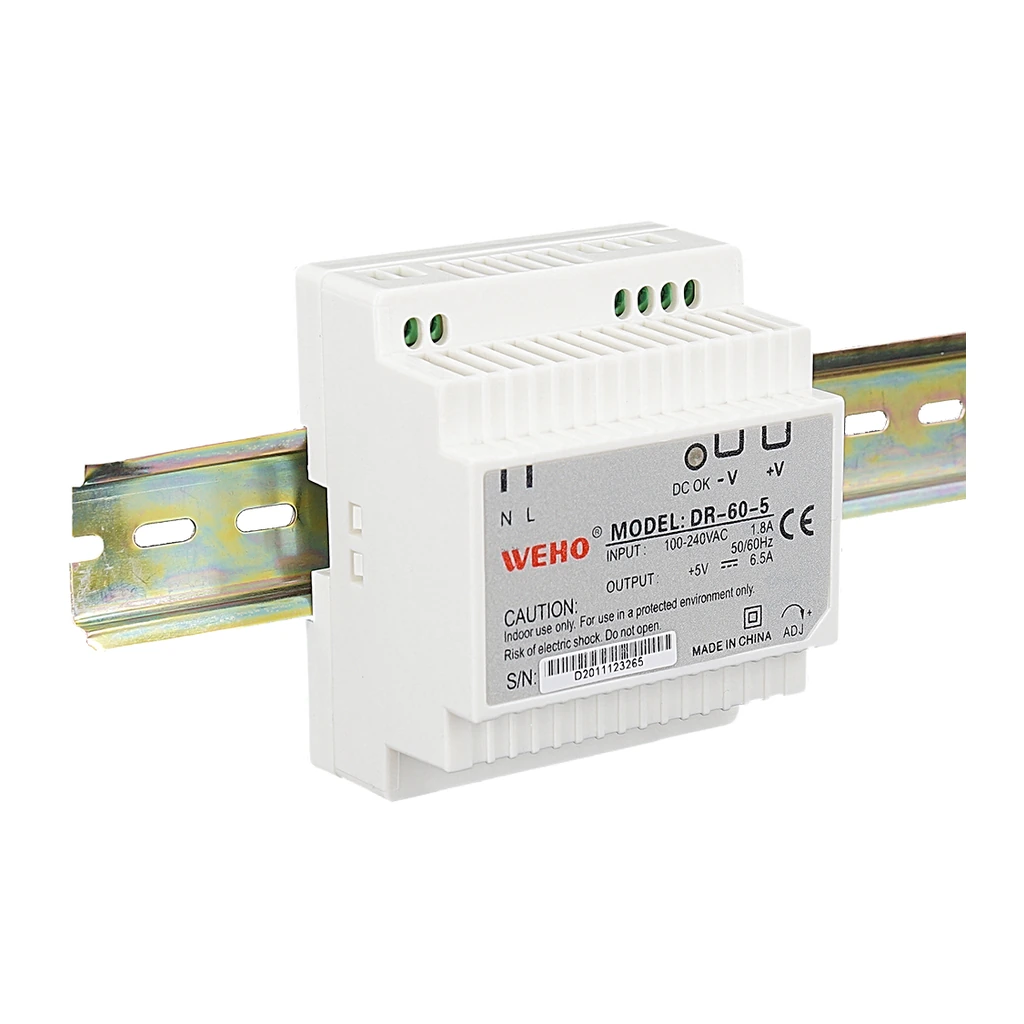
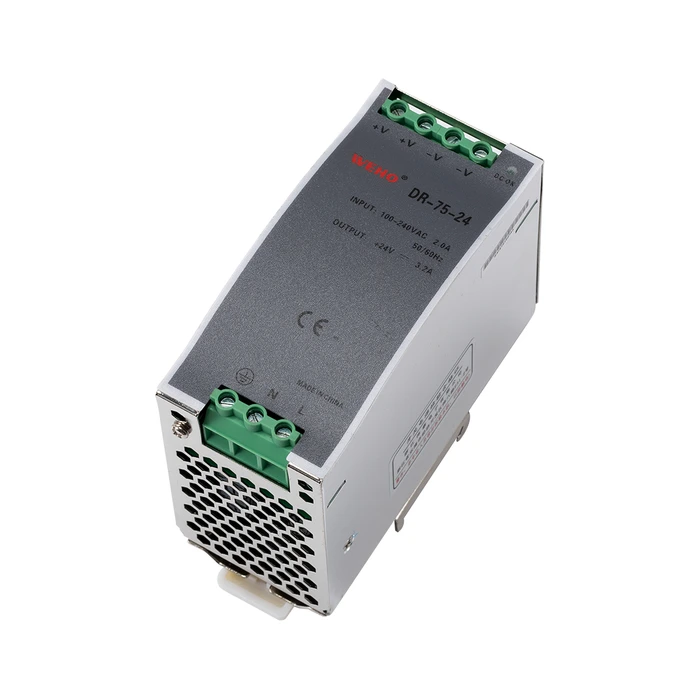
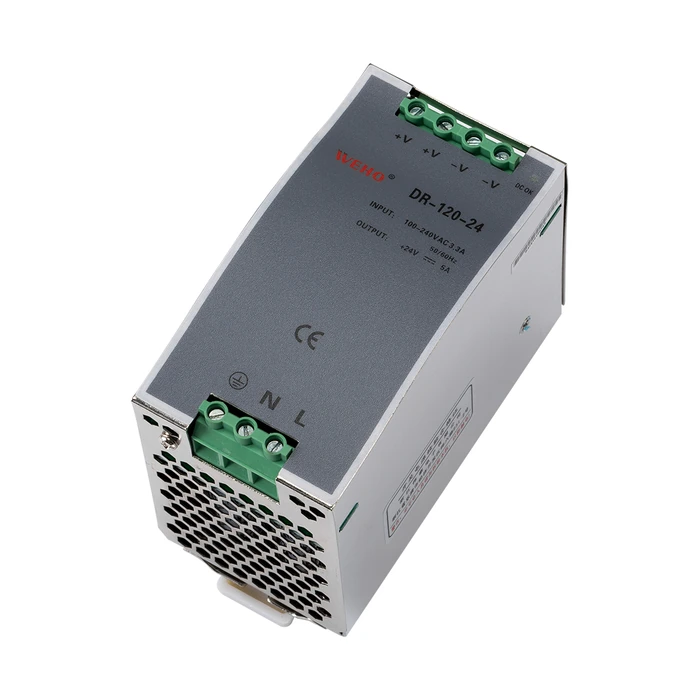
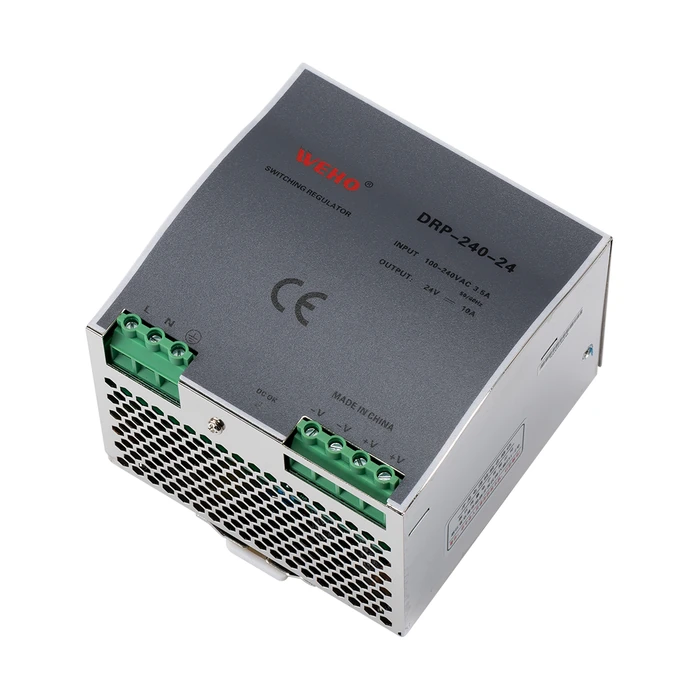
Compare DR models for cabinet control loads such as sensors and controllers. Start with the DC voltage, normal current and available space, then open the product page for the exact model and suffix.
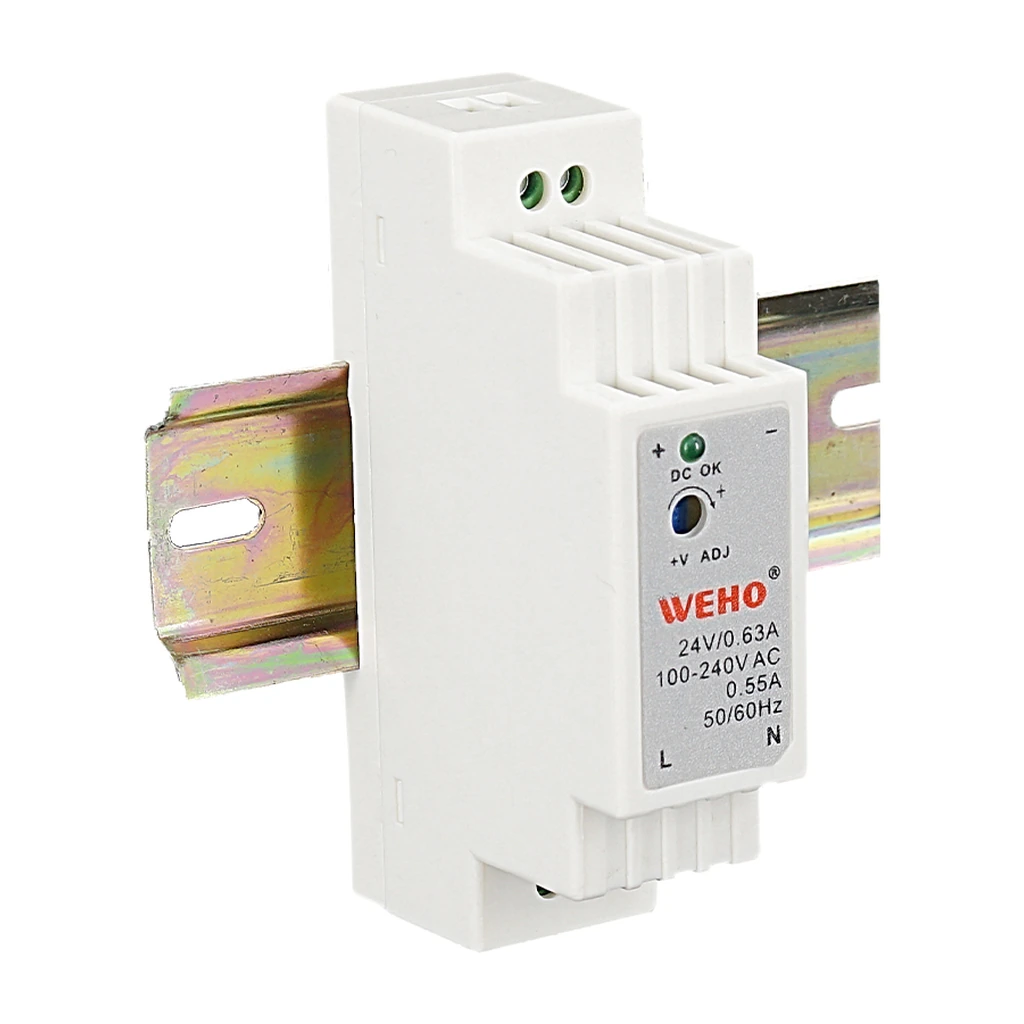
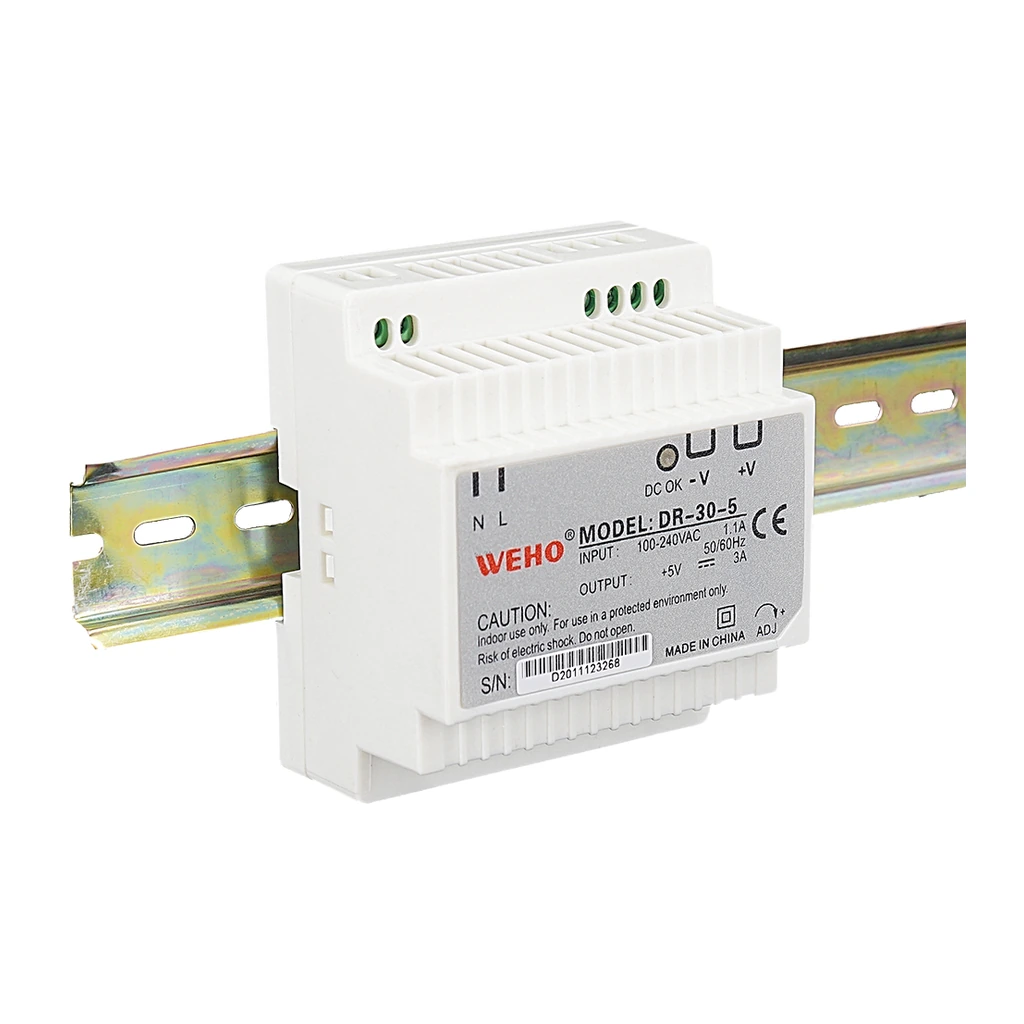
List the controller and field devices sharing the supply, then confirm their voltage and demand at startup. Check the selected model’s input and output table before choosing the unit.


When replacing a DR unit, verify the rail clip, wiring position and space to reach the terminals. Compare the mounting drawing for the candidate, rather than assuming the layout is identical on two models.
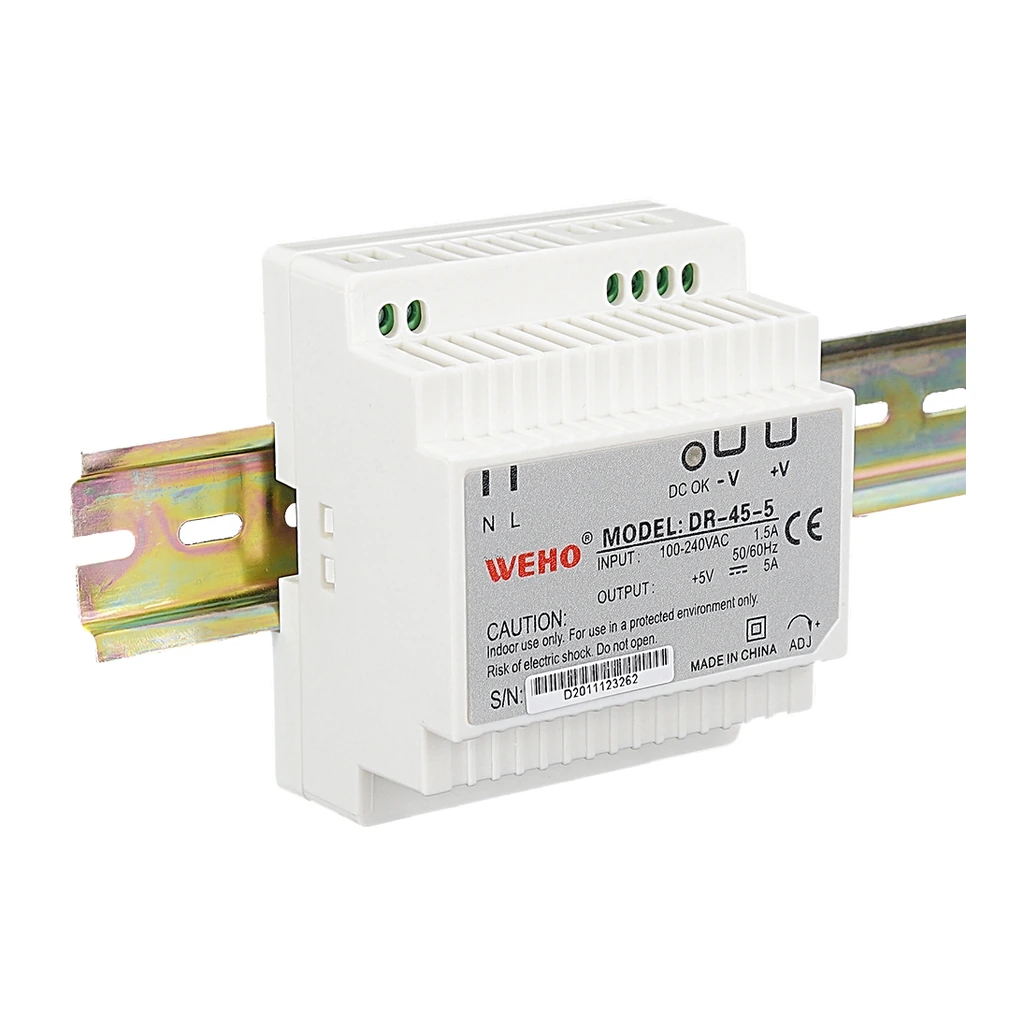

Check the exact model width, height, depth, DIN rail compatibility, mounting orientation and required clearance. Include wiring access and adjacent heat sources in the cabinet layout.

Record the available input voltage and frequency, required DC output voltage, continuous load current and starting-load requirements. Confirm all values for the exact model and supply conditions rather than applying one series-wide input range.

Compare the stated efficiency only at the specified input voltage, load and test conditions. Check the published temperature and input-voltage derating requirements before selecting the output rating.

Request the model datasheet and the certificate or test report relevant to your project. Confirm the exact model, standard, document revision and applicable scope; a series label alone does not establish approval.

Check which protection functions, status outputs, remote-control options or redundancy arrangements are available for the selected model. Do not assume that features offered on another model are included.
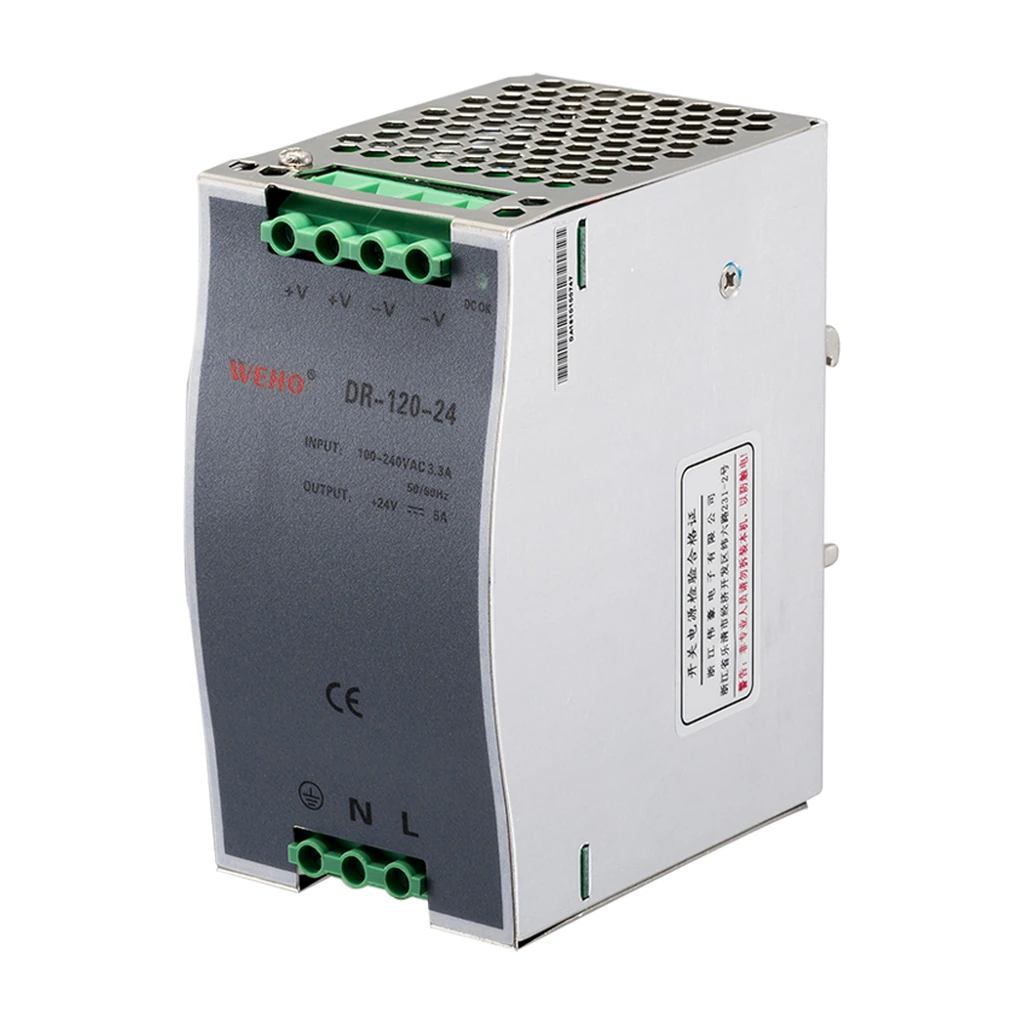
Send the full DR model or the available input and planned load. Include the cabinet space if this is a retrofit, along with the quantity and any project documents you need.
Nhận báo giá ngay lập tức hoặc cho chúng tôi biết những gì bạn đang tìm kiếm và chúng tôi sẽ sớm liên hệ lại với bạn!
Liên hệ với chúng tôi Optimized by Seraphinite Accelerator