إمدادات الطاقة – إلى أي مدى وصلنا؟

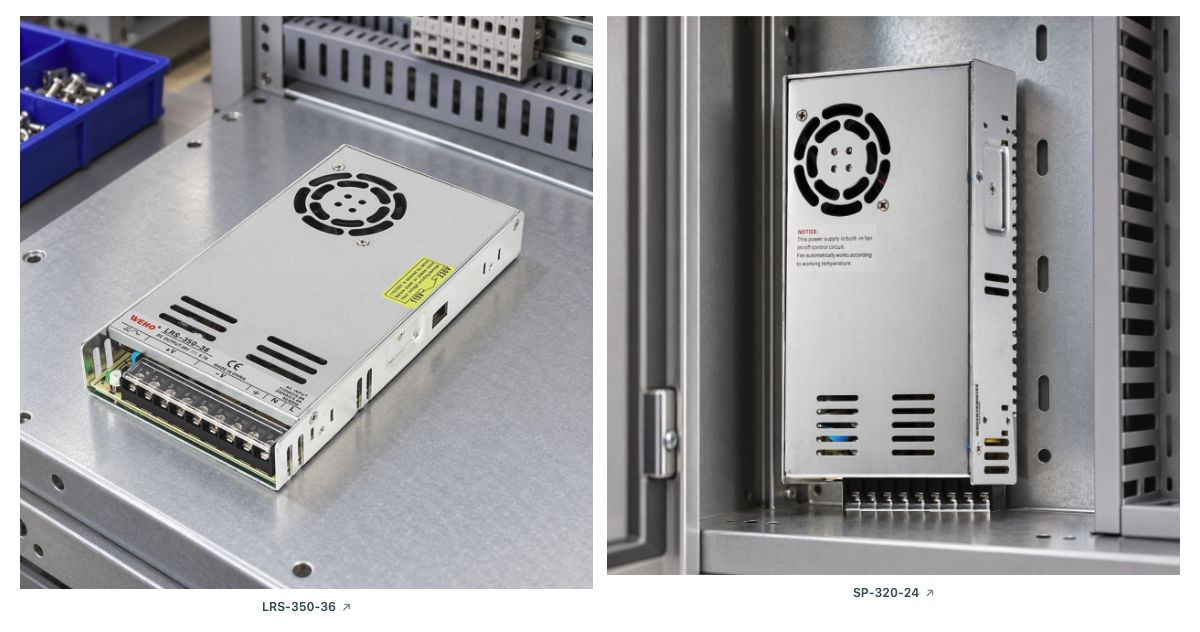
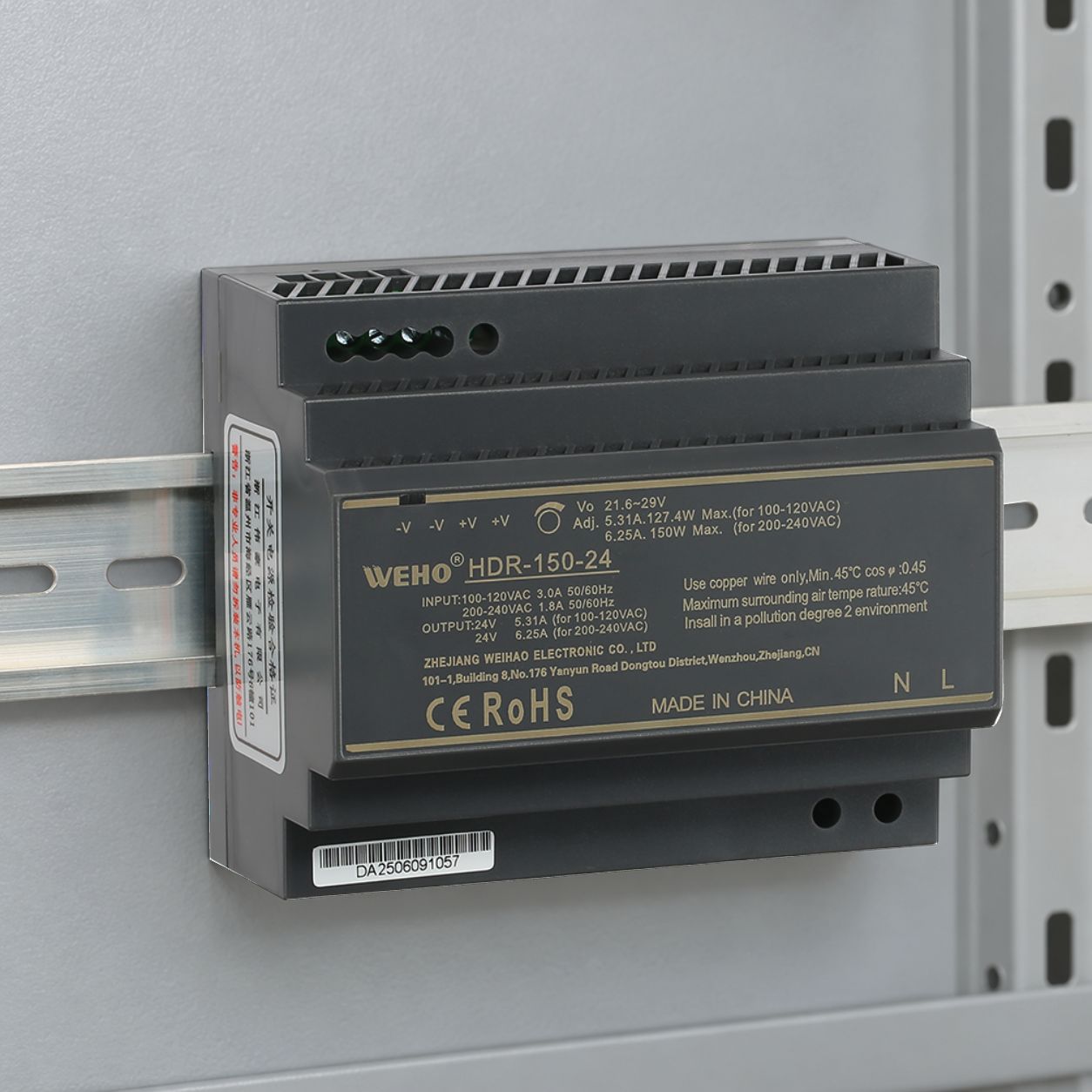
Switch-mode power supply technology has developed over the years, particularly in efficiency and power density. More compact power conversion can help equipment designers make better use of limited enclosure space.
Compare power density using the exact model, operating load and thermal conditions rather than transferring the rating of one historical product to another.
التقدم التكنولوجي؟
Early switch-mode power-supply development in the 1950s involved both vacuum-tube and transistor-based concepts. Rather than assigning a single first invention, this overview follows the technical move toward smaller and more efficient power conversion.
مع هذا التدفق للتقدم التكنولوجي، أصبح المصممون فجأة قادرين على الانتقاء والاختيار من بين مكونات متعددة والعديد من الشركات المصنعة، مما منحهم عددًا غير مسبوق من الخيارات والتصميمات الرائدة المحتملة.
كان محور هذه الفترة المكثفة من التطوير هو المنظم الخطي التقليدي - حيث كانت أذكى العقول تحاول معرفة كيف يمكنهم استبدال المحول القديم وطريقة المقاومة لتغيير جهد الدخل بتصميم أكثر كفاءة.
الفكرة التي توصلوا إليها هي استخدام الترانزستور لتقطيع جهد الدخل بقيمة متوسطة أقل من المدخلات الأولية (لدينا متجر رائع من المقالات التقنية هنا على الموقع إذا كنت ترغب في الحصول على وصف أكثر تفصيلاً لعملية SMPS).
ومع زيادة الكفاءة والحاجة إلى عدد أقل من المواد المغناطيسية، أصبحت التكنولوجيا الجديدة أصغر حجمًا وأخف وزنًا وتولد حرارة أقل.
كما هو الحال مع الاختراعات الحديثة التي تتمتع بهذه الخصائص، كان هذا الحل الذي يعود إلى الخمسينيات من القرن الماضي جذابًا للغاية للشركات في مجموعة من القطاعات - من الإلكترونيات إلى الفضاء الجوي والاتصالات إلى الحوسبة، وكان هناك طوفان من المتبنين الأوائل الذين تنافسوا لتحقيق أفضل استفادة من تكنولوجيا إمدادات الطاقة الجديدة هذه.
حساب القوة
During the 1970s, switching power conversion became useful in compact electronic equipment, where reducing power-supply size and weight mattered.
The same design priorities apply to computing equipment: a more efficient power stage can reduce transformer size, heat dissipation and the space required for cooling.
وبالمثل، بدأ مصنعو الطيران، الذين يفكرون في كيفية توفير الوزن والمساحة، في التطلع أيضًا إلى تحويل مصادر الطاقة المخصصة لإنشاء تصميمات أكثر كفاءة.
التهدئة في السبعينيات والثمانينيات؟
كانت السبعينيات عقدًا مزدحمًا بمجرد تحقيق الاختراق الأولي واستمر الابتكار بوتيرة محترمة للغاية. بدأت العديد من الشركات في المملكة المتحدة والولايات المتحدة واليابان في تسويق منتجات إمدادات الطاقة القياسية.
Claims about who first commercialized the technology vary; this overview does not assign a single originator.
The electronics press of the era featured SMPS articles and advertisements as standard products became more widely available. Open-frame, enclosed and modular designs gave equipment builders alternatives to custom linear power stages.
The adoption of switching power supplies in personal computers helped designers pursue smaller and lighter systems. Cooling still depended on total losses, enclosure conditions and component limits: some designs relied on convection, while others used fans, including fan-cooled ATX-style arrangements.
In the late 1980s and early part of the 1990s, industry-standard 3 x 5” power supplies became available with an auto-ranging input that sensed whether it was connected to 120VAC or 230VAC and adjusted accordingly. These products had powers of 25 – 40W, or 1.66 to 2.66W/In2
تغيير الاتحاد الأوروبي
مع دخول المزيد والمزيد من الشركات إلى السوق، ظهرت بعض معايير الصناعة الفضفاضة حول الأحجام الشائعة مثل 3 × 5”. بدأت كثافات الطاقة في التحسن مع التقدم في المجال المغناطيسي، وتقدم ترانزستورات التبديل وأجهزة التحكم المرحلية. وقد قدمت هذه التغييرات كفاءات أعلى وجعلت كثافات طاقة أفضل ممكنة.