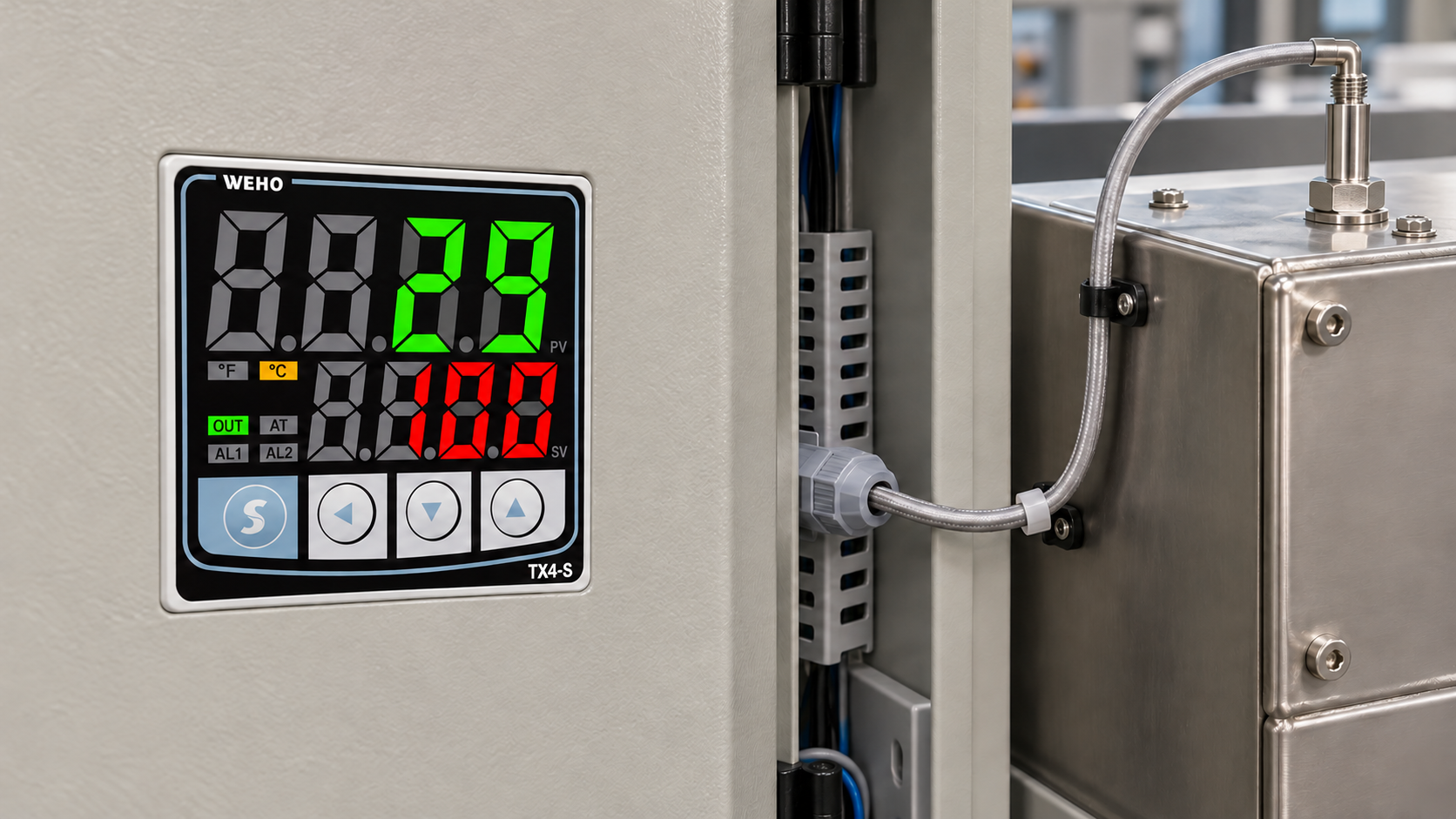
A passed UPS self-test does not by itself prove that a particular load will run for the required backup time. Identify what the actual device checks, how its runtime estimate is produced, and what evidence the project needs for the connected load, battery condition and operating environment.
A self-test and a runtime test answer different questions
Schneider Electric describes a short battery-powered self-test for its Smart-UPS range. That is a model-specific diagnostic example, not a statement that every UPS or battery-backed supply performs the same test. A short diagnostic and a project’s endurance requirement are separate records.
Before any discharge or interruption test, the responsible owner should protect critical loads and follow the exact UPS and battery instructions. Tests can temporarily reduce available backup; do not initiate a calibration simply to obtain a number.
Identify the complete backup system
Record the exact backup unit and revision, battery chemistry, number and age, charge condition, supported load, power profile, connected equipment, ambient temperature and shutdown threshold or reserve requirement. Identify which loads must remain available and which can be disconnected or shut down during an outage.
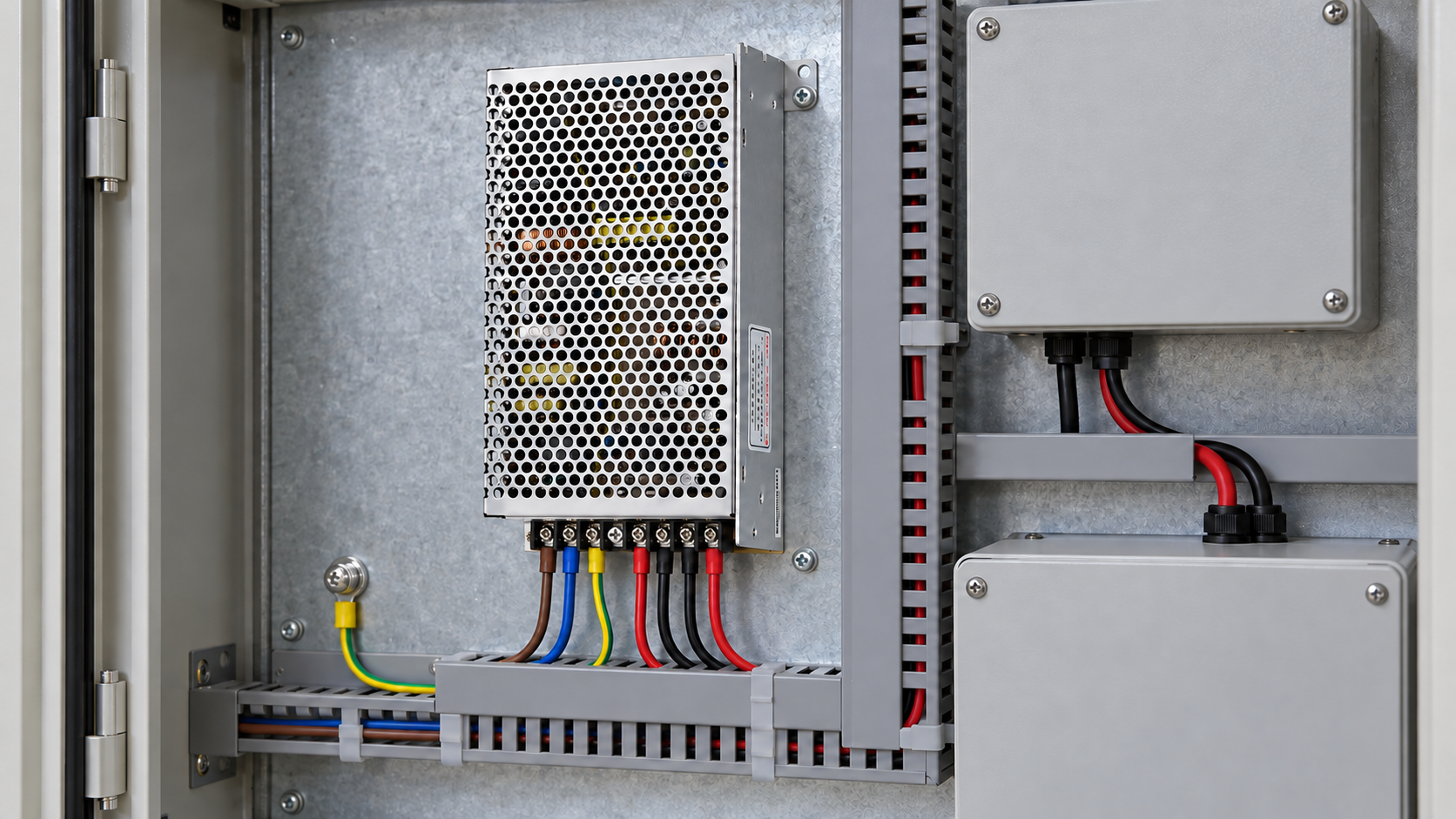
The pictured WEHO AD-155 family is a battery-backed supply product identity. The application illustration does not establish that it provides a Smart-UPS-style self-test, a runtime calibration function, or any specific autonomy with a particular battery and load. Request exact-model documentation and compatible battery conditions.
Keep diagnostic, estimate and evidence separate
A self-test can check particular internal or battery conditions defined by the device manufacturer; what it can detect and how long it runs are model-specific. A displayed runtime is an estimate based on available inputs and assumptions. A calibration may update an estimate on some systems, but it does not create physical battery capacity.
Schneider’s calibration FAQ for named SMX, SMT, SRT and SRTL models states that actual outage runtime depends on available battery power and calls the displayed figure an approximation. Its prerequisites and service frequency are limited to those models, not generic instructions for WEHO or all UPS products.
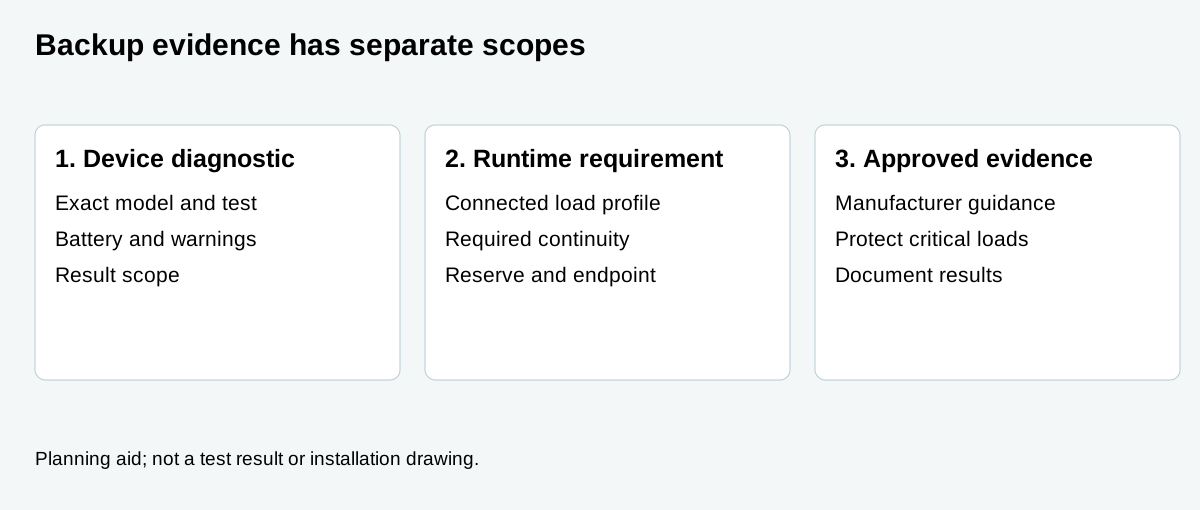
Define required autonomy at the load
Write the required duration and the functional endpoint: for example, a controller and communication path must remain operational for an agreed time, or the equipment must complete an orderly shutdown while reserve remains. Identify startup loads, simultaneous operating states, peripherals and changing load, not only the nameplate power of one device.
If a supplier offers a battery capacity estimate, retain its assumptions, conversion losses, discharge limits and battery conditions. A simple watt-hour calculation is an initial budget, not proof of installed runtime. Runtime varies with real load, battery condition, temperature, age and system limits.
Compare the available evidence
| Evidence | What to capture | What remains open |
|---|---|---|
| Self-test | Exact model, time, test scope and result. | Does the manufacturer state that this test establishes full required runtime? |
| Displayed estimate | Timestamp, battery state, connected load and assumptions. | How closely do these match the required outage scenario? |
| Battery record | Type, installation date, condition, charge and service history. | Are battery and charger compatible and maintained? |
| Required continuity | Supported loads, duration, process endpoint and reserve. | What exact evidence is needed for the project? |
| Approved validation | Test plan, monitoring, protection of critical loads and recovery. | Were the acceptance criteria met for this configuration? |
This proposed worksheet is not a discharge procedure, service instruction or a report of an actual test.
Plan maintenance and verification with the system owner
Use the actual UPS and battery manufacturer’s approved instructions to determine whether a diagnostic, capacity assessment or controlled runtime verification is appropriate. Schedule it around load criticality and available redundancy. Specify monitoring and a stop condition, how the load remains protected, the permitted discharge endpoint and the recharge and return-to-service criteria.
Der Schneider Easy UPS 3-Phase Modular instructions warn that a runtime calibration can reduce the battery’s available backup during and after the test. This is a warning in that specific manual; use the actual device’s instructions and local operating policy for the project.
Handle a passed test and a doubtful estimate
Suppose a maintenance record says the self-test passed but the displayed runtime is shorter than the site requires. Do not classify the battery as healthy enough for the full duty, and do not assume the estimate proves a battery failure. Check the connected load, battery and charge history, device warnings, configuration and applicable manufacturer guidance.
Assign the remaining evidence gap to the system owner. If a controlled verification is required, document the agreed load and operating conditions and compare the observed equipment function with the actual continuity criterion. Reassess after a battery, load or backup-unit change.
Questions buyers ask
Does passing a short self-test prove the required autonomy? No. Check its documented scope and obtain the project’s required runtime evidence.
Will recalibration restore an aged battery’s capacity? No. Calibration may update an estimate on certain devices; physical available energy depends on the battery system and conditions.
Do all battery-backed supplies offer the same diagnostic? No. Confirm the features and instructions for the exact device.