Key Engineering Takeaways
- A replacement battery needs an approved identity record, not just a matching enclosure size.
- Separate nominal battery voltage, charging requirements, capacity and terminal arrangement.
- Equal nominal watt-hours do not establish electrical or charging interchangeability.
- Use the complete AD-155 supply variant and the machine's approved battery specification when releasing spares.
Why Can a Physically Matching Spare Be the Wrong Battery?
A maintenance store can receive two battery packs that fit the same space while their voltage, chemistry, terminal arrangement or charging requirements differ. Releasing a spare from appearance alone transfers an unresolved engineering decision to the person replacing it. A controlled identity record lets purchasing verify the approved item before it reaches the cabinet.
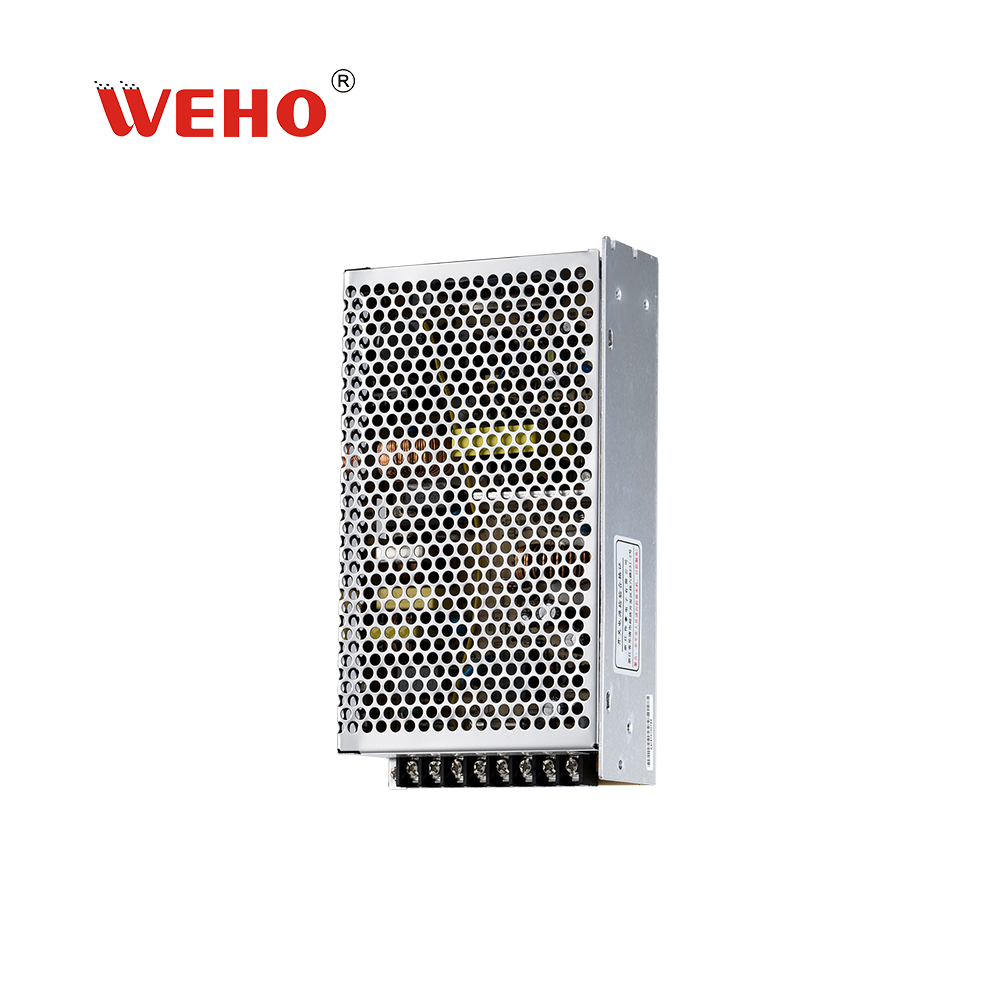
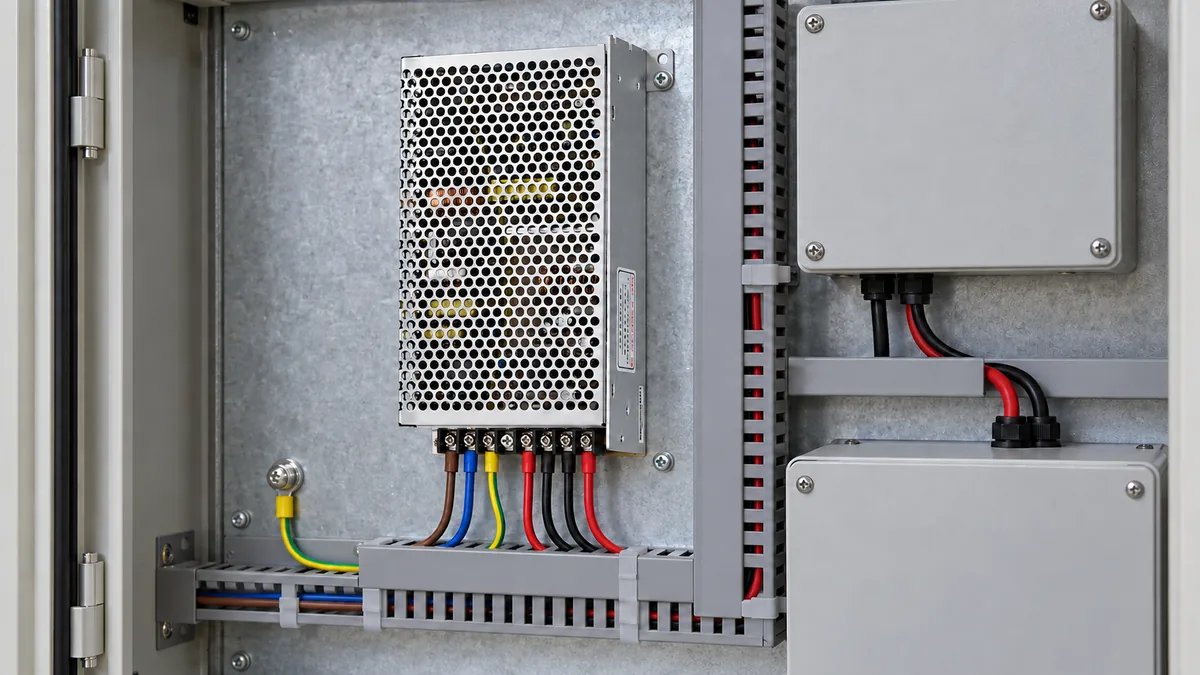
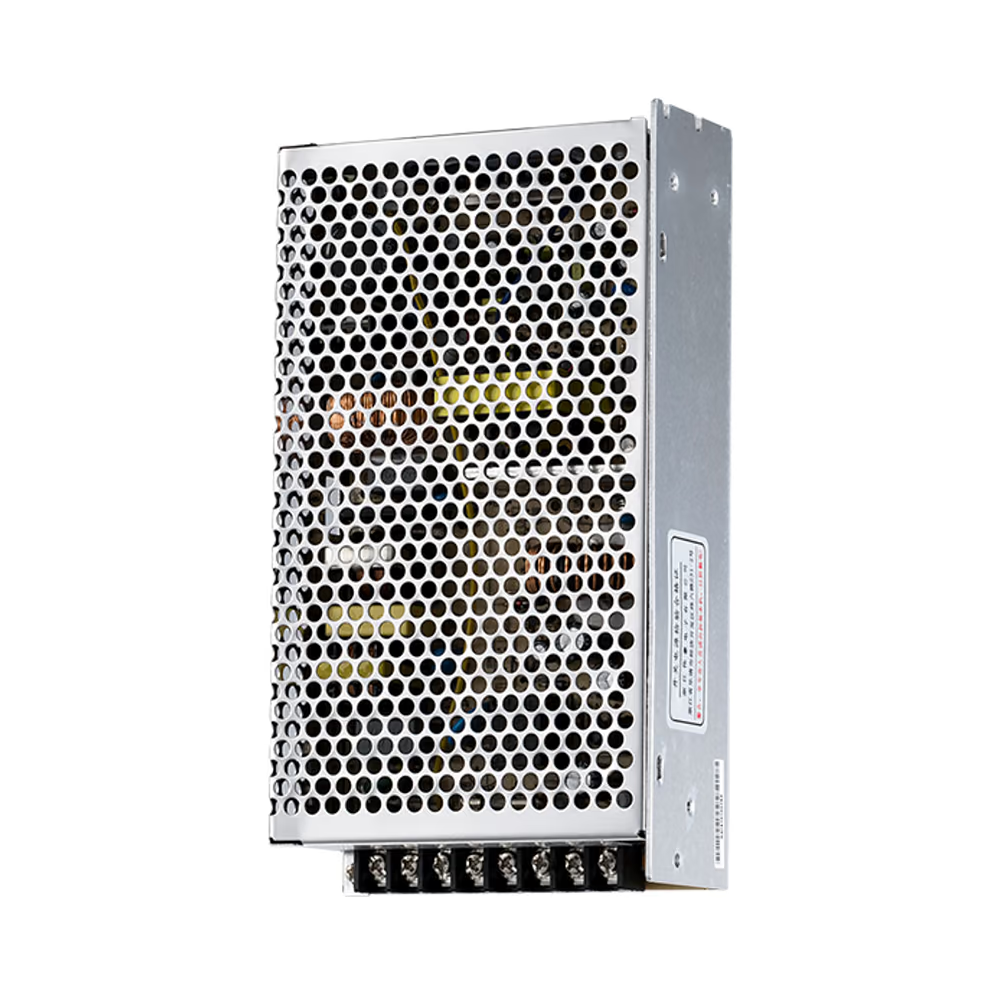
Le AD-155 backup supply family is the product context for this workflow. WEHO's page describes a primary output and a lower-current charging output and lists more than one supply variant. The official family photograph does not independently identify every ordering suffix; the installed unit's full identity must match the machine record.
What Belongs in the Battery Identity Record?
Start with the equipment asset number and approved battery part number, including any manufacturer suffix that changes the product. Record the pack's nominal voltage, chemistry, rated capacity with its rating conditions, and the required charging documentation. Treat these as separate fields rather than compressing them into “24 V battery.”
Add mechanical and interface information: enclosure dimensions, approved orientation, restraint, terminal or connector type, polarity identification and the relevant drawing revision. A terminal that physically accepts the existing connector is not sufficient evidence of a matching pin assignment. Use the approved drawing and battery documentation for that mapping.
Le Trojan battery maintenance resource discusses selection in terms of battery type, energy needs, terminal options and charging equipment. Those general selection considerations do not approve a Trojan battery for an AD-155 installation. Compatibility still depends on the actual battery, supply variant and machine design.
Standard Engineering Spare-Identification Example
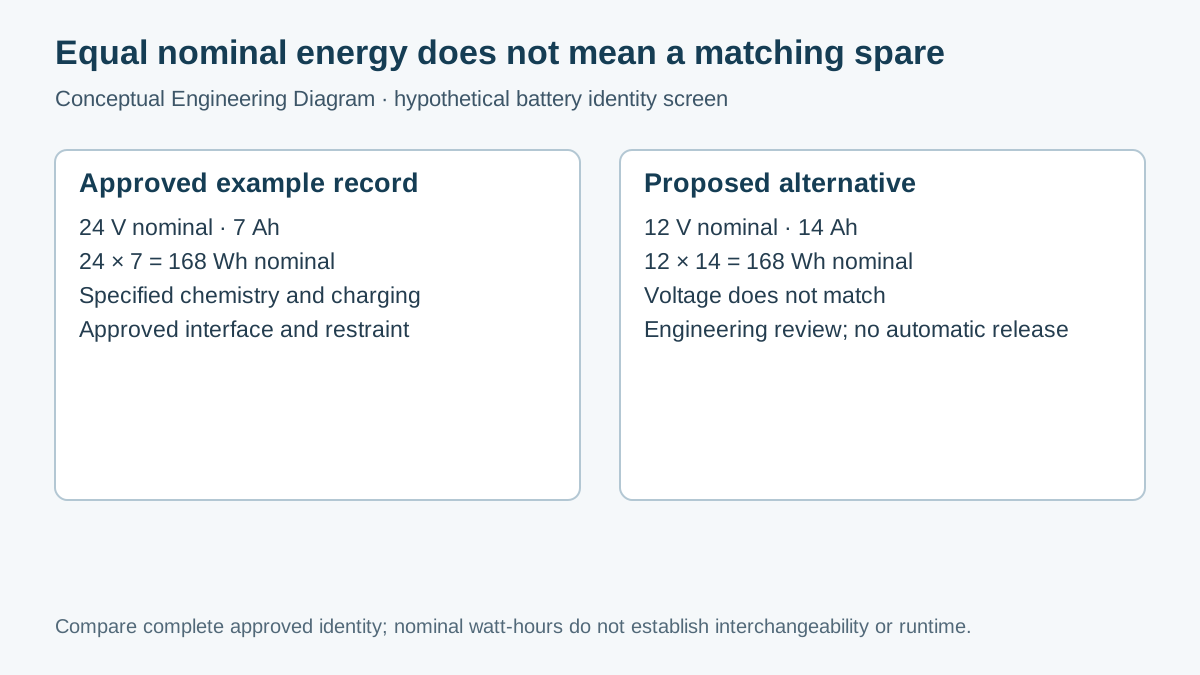
Consider a hypothetical machine whose approved record specifies a 24 V nominal, 7 Ah pack with a defined chemistry, connector drawing and charging requirement. Another proposed pack is marked 12 V nominal and 14 Ah. Multiplying nominal voltage by rated ampere-hours gives 24 × 7 = 168 Wh and 12 × 14 = 168 Wh respectively.
The arithmetic gives the same nominal energy figure, but the packs are not interchangeable on that basis. Their nominal voltages differ, and the receiving equipment and charger must be compatible with the actual pack. The calculation is an identity-screening example, not a runtime prediction or permission to combine packs in series or parallel.
Even two packs marked 24 V and 7 Ah need further comparison. Chemistry, charging limits, protective electronics, discharge capability, connector polarity and mechanical restraint can differ. Capacity values may also refer to different discharge rates or end-voltage conditions. The approved part number and supporting specification remain the release basis.
| Record field | Approved hypothetical item | Proposed alternative | Disposition |
|---|---|---|---|
| Nominal voltage | 24 V | 12 V | Does not match |
| Rated capacity | 7 Ah, specified method | 14 Ah, method to check | Not an interchangeability decision |
| Nominal arithmetic | 168 Wh | 168 Wh | Equal result does not resolve voltage |
| Charging and chemistry | Approved specification | Separate documentation required | Engineering review before substitution |
| Interface and restraint | Approved drawing revision | Compare complete interface | Physical fit alone is insufficient |
This example prevents a specific purchasing error: accepting equal nominal energy as proof of a substitute. It does not replace load-capacity or backup-duration testing. Those tasks require the actual discharge conditions, usable voltage range and equipment behavior.
How Should Receiving Inspection Verify a Spare?
Compare the delivered label with the approved part record before opening the service task. Record the manufacturer, full part number, nominal voltage, chemistry, capacity marking and date or lot identification where provided. Photograph the delivered identity and preserve the supplier documentation so a later substitution can be traced.
Check the connector or terminals against the approved drawing without relying on cable color alone. Mechanical compatibility, polarity and intended connection are different questions. Receiving personnel should follow the organization's documented inspection method; this article does not prescribe live probing, connection of an unapproved pack or an improvised polarity test.
Inspect for transport damage and follow the battery manufacturer's handling and storage instructions. A correct part number does not make a visibly damaged item acceptable. Keep damaged or unidentified items out of the released spare stock and use the supplier's documented return or disposal route as applicable.
Finally, maintain the relation between spare stock and equipment revisions. If an approved machine change alters its battery assembly or charging arrangement, update the spare record and purchasing description together. An old photograph attached to a newer bill of materials can otherwise direct the store to issue the wrong item.
How Is a Battery Substitution Released?
- Identify the installed AD-155 variant, equipment revision and approved battery specification. Recover the original release record before proposing an alternative.
- Compare the alternative's complete electrical, charging, interface and mechanical requirements. List meaningful differences with their source documents.
- Have the responsible equipment engineer determine which checks are needed. Do not convert a similar label or nominal watt-hour calculation into approval.
- Verify the proposed assembly under the machine's authorized procedure, including the functions affected by the change. Record conditions and results separately from purchasing comparisons.
- Approve or reject the substitution through the equipment's change process. Keep the approved part number, drawing revision and any application restrictions together.
- Update the bill of materials, spare-stock description, service documentation and receiving checklist. Remove superseded approval instructions from the active record.
A battery can remain an energy source after mains is disconnected. Replacement work needs the machine's approved isolation procedure and personnel competent for the battery and electrical equipment. Do not infer a universal disconnect order, fuse rating or waiting time from a general product photograph.
What Should the Handover Package Contain?
Give maintenance one concise identity record that points to the approved documents. Include the machine asset, supply variant, battery part number, relevant interface drawing, handling instructions and the owner responsible for approving alternatives. State how to distinguish released spares from items still awaiting review.
Keep condition assessment separate from identity. A released model can still need storage maintenance or a pre-use condition check under the applicable battery instructions. Conversely, a healthy-looking pack with the wrong identity should not enter service just because a voltage measurement appears plausible.
For an AD-155 application documentation request, provide WEHO with the full supply ordering code, existing battery specification and the proposed change. Ask for the information applicable to that supplied variant. Do not assume the family page establishes every battery chemistry, charging profile or alarm option.
Engineering FAQ
Can two batteries with the same watt-hours be substituted?
No. Equal nominal energy does not establish matching voltage, charging requirements, discharge capability, interface or mechanical suitability. Compare the complete approved specification before considering a substitute.
Does matching the case size prove the spare is correct?
No. Case size only addresses part of mechanical fit. Verify the full part number, battery characteristics, terminal arrangement and approved equipment documentation before releasing the item.
Can the AD-155 family photograph identify an installed suffix?
Not reliably. Use the installed unit's complete label and equipment record. The official family image supports appearance identification, while variant-specific requirements come from the applicable documentation.
Should a larger ampere-hour battery be accepted automatically?
No. Different capacity can affect charging and the approved assembly. The responsible engineer should review the change with the actual battery and supply requirements instead of treating more capacity as a universal upgrade.
Is this a live battery-replacement instruction?
No. It is a purchasing and handover workflow. Physical replacement must follow the equipment's approved battery and electrical isolation procedure, including the hazards that remain after mains is off.