

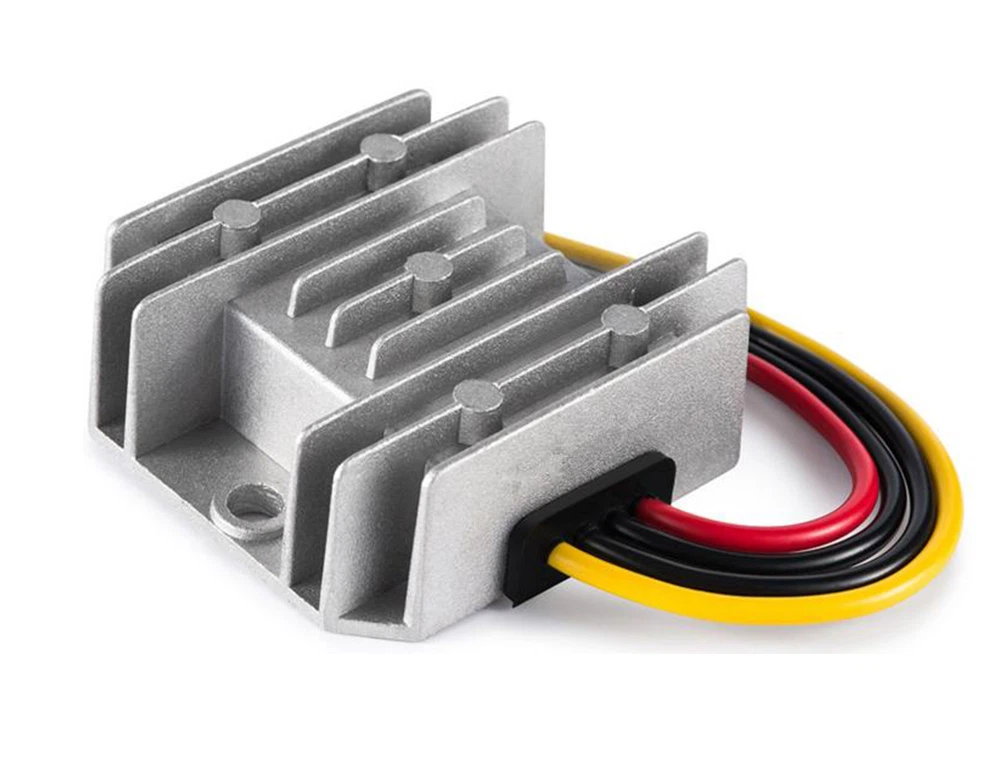
DC-DC Converters & Waterproof DC Voltage Regulators
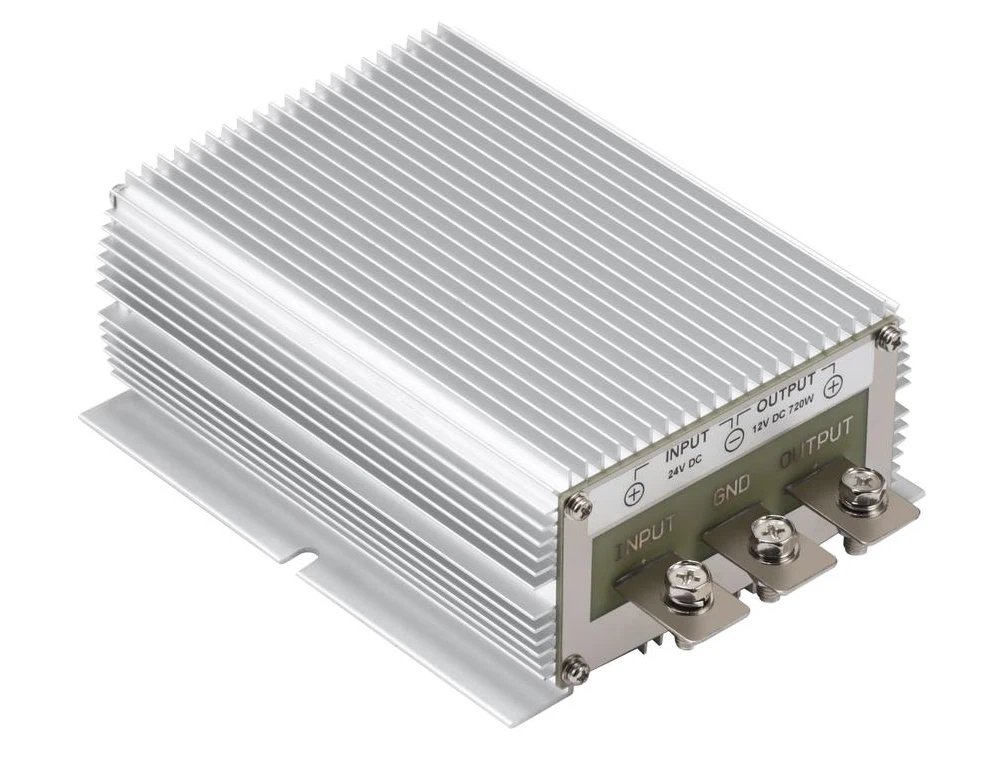
WEHO DC-DC converters provide a regulated DC output from an existing DC power source. WH-C step-down models reduce the input voltage, WH-B step-up models raise it, and WH-D buck-boost models cover input ranges that extend above and below the required output. The families offer different input windows, output voltages and current ratings for DC-powered equipment.
Find your DC-DC converter
12 modelos selecionados
Sobre a série: WH-C is the buck / step-down family. WH-B is the boost / step-up family. WH-D is the buck-boost family for a DC input that can be lower or higher than its output. All listed models are non-isolated; the exact model determines input limits, load capability and installation conditions.
All shows 12 selected models. Choose a series to view its complete model range.
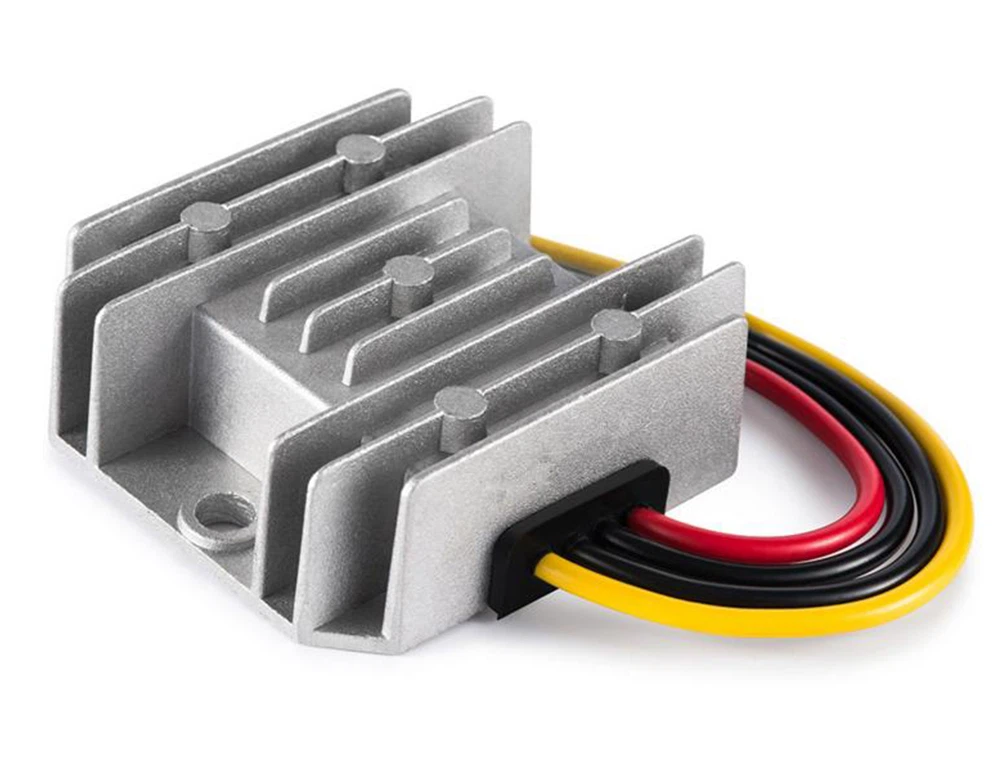
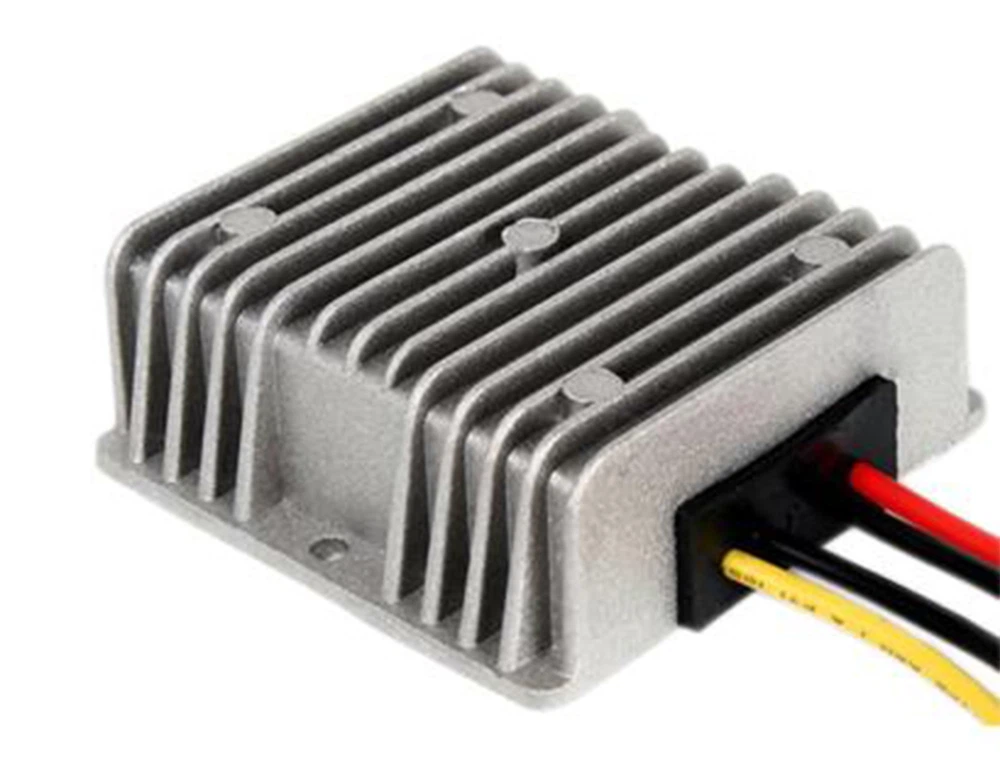
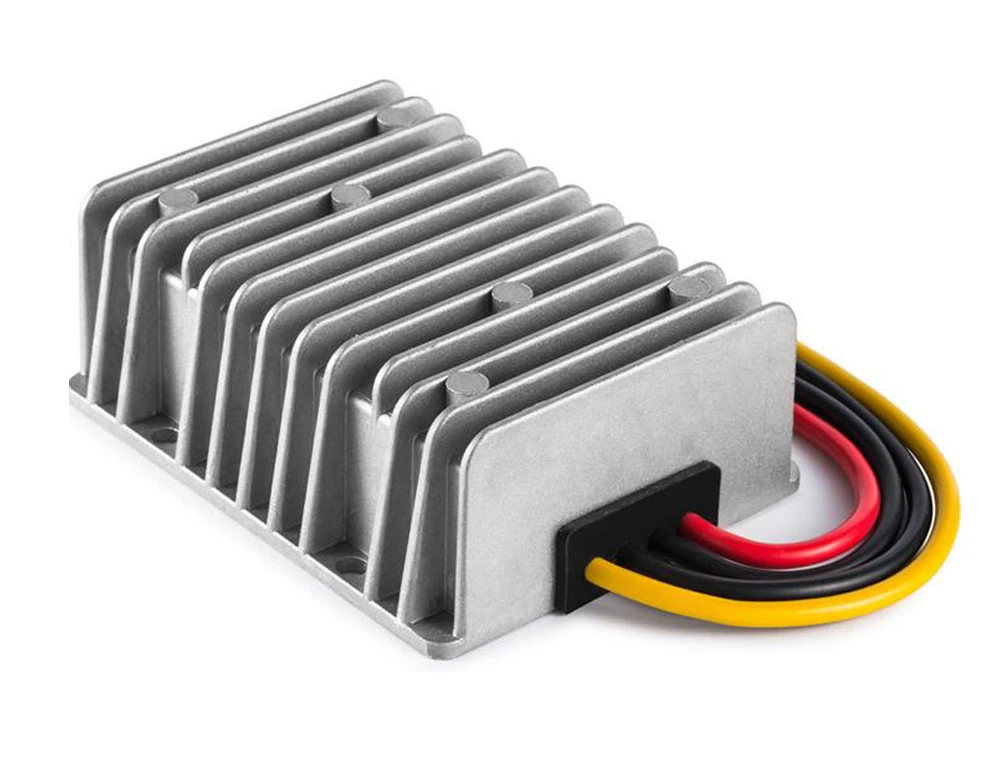
No models in this selection
Try another combination, or send us your input voltage, output requirement and load current.
Ask for selection helpView all DC/DC converters
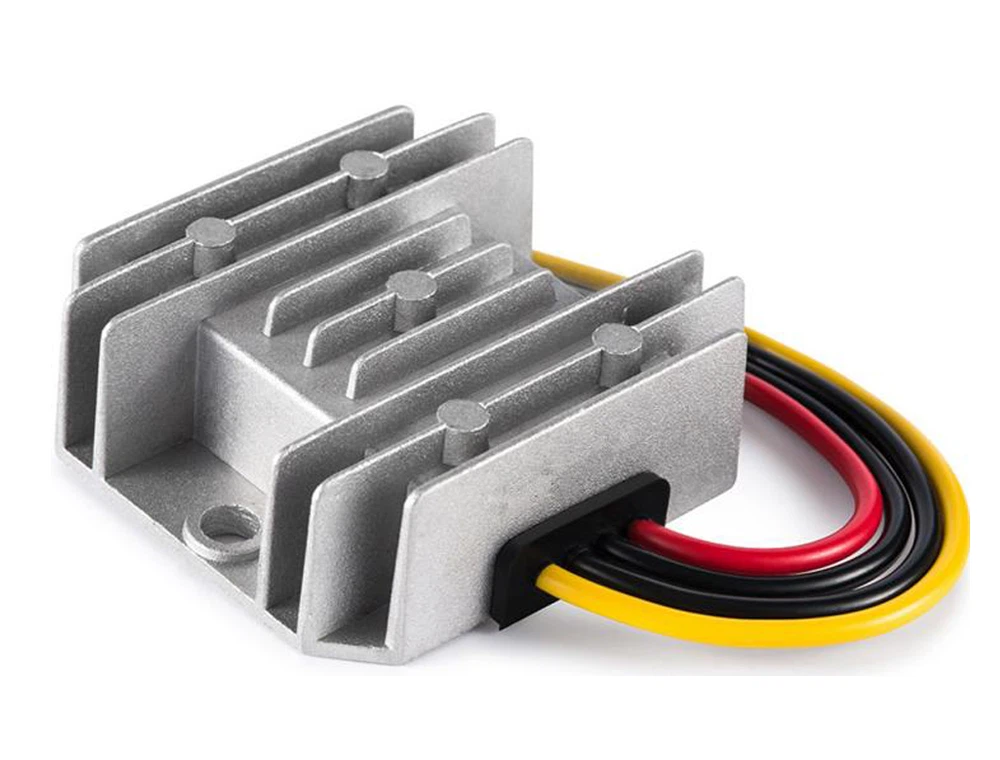
Photographs show representative enclosures; confirm the exact unit and wiring before ordering. Power and current are printed model ratings, not a guarantee at every input voltage or ambient temperature. The datasheets' 45°C rated temperature rise is not an ambient limit: request operating-temperature and derating data for your installation.
Which DC-DC series fits your project?
WH-BListed models: 72–2640W · Boost9–16V / 10–16V / 10–45V / 10–40V / 18–32V; model-specificView WH-B series
All models shown are non-isolated. Agree common-negative and chassis grounding before installation; do not parallel outputs without written approval. Confirm continuous load, startup, cooling and protection for the exact model. Request selection help & quote →
Need help selecting a DC-DC converter?
Share the full input window, output voltage/current, continuous and peak load, ambient/cooling conditions and quantity. Include motor, lamp or capacitive inrush and any NTC limiter or hot-restart condition. Confirm fuse coordination, UVLO, reverse-polarity protection and common-negative/chassis grounding for the exact model. Do not parallel outputs without written approval.
DC-DC converter applications
From vehicle power distribution to industrial automation.
Starlink & Satellite Terminals
Confirm the terminal version, approved input, polarity/grounding, connector and startup/peak demand. For telecom, check the bus polarity and return arrangement. A 48V output alone does not establish Starlink Standard or Mini compatibility; confirm any PoE or USB-PD interface separately.

Automotive & Commercial Vehicles
For auxiliary DC electronics, match the full supply window and load profile. Check cranking dips, load-dump and other transients, reverse polarity, EMC and vehicle requirements separately; nominal 24V or 48V alone is not sufficient.
Marine & Boat Electronics
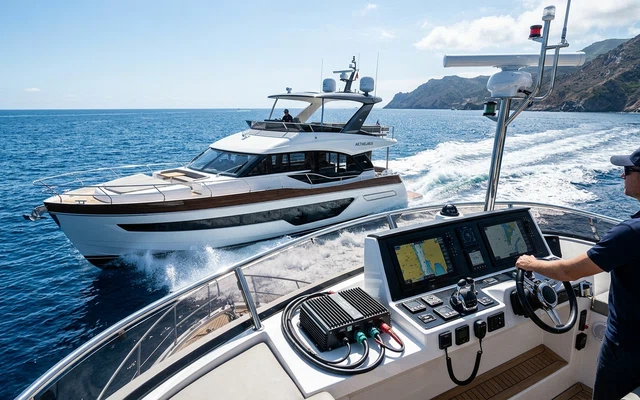
For auxiliary electronics, confirm input range, load and grounding. Agree salt-mist resistance, immersion conditions and sealed cable entries for the ordered unit. Motor loads require starting/stall-current checks; potting alone does not establish IP68 certification.
Electric Vehicles & Golf Carts
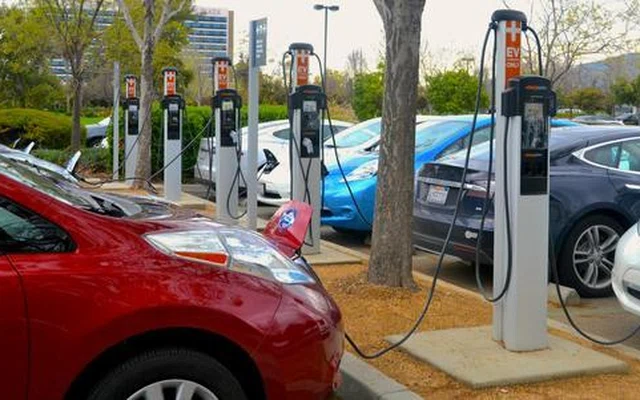
Consider auxiliary lighting and instruments on scooters, golf carts and low-speed EVs, not traction drive. Check pack voltage from full charge to cutoff, regenerative/transient voltage, peak load and ground reference before selection.
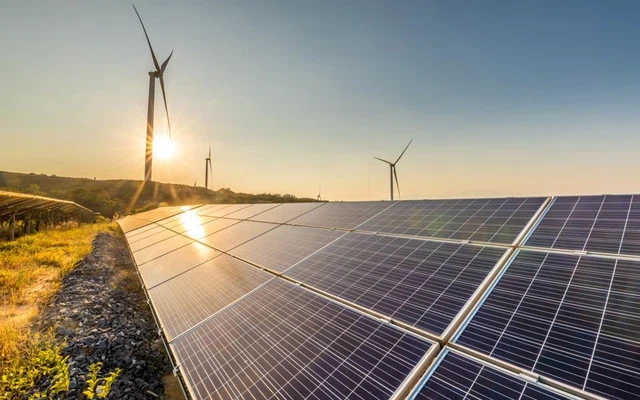
Solar & Off-Grid Battery Storage
Consider auxiliary loads on a battery-side DC bus within the selected model's input limits. Confirm bus protection and the load profile. Do not treat these voltage converters as an MPPT controller, battery charger or direct solar-panel interface.
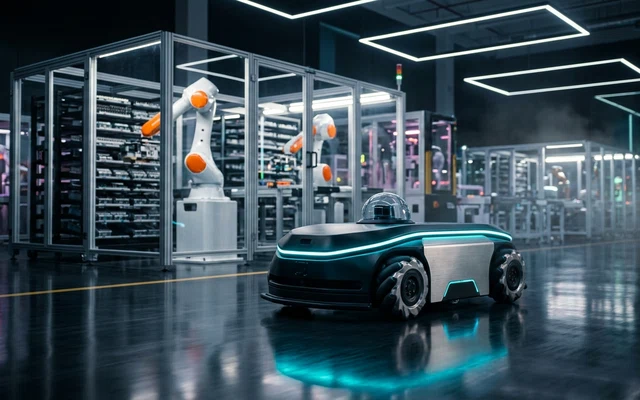
Industrial Robotics & AGV Automation
For auxiliary electronics rather than traction drives or safety functions, check motor-start dips, regenerative voltage, load surge and cooling. Agree the required vibration, EMC and system tests; no blanket shockproof or surge-ride-through claim applies.
Application illustrations are not proof of an installation. Select auxiliary DC loads, not traction drives, MPPT control or battery charging. Match the complete battery/bus window, peak demand, polarity and grounding. Confirm Starlink/Mini, PoE and USB-PD interfaces separately; check telecom bus polarity. For vehicles, agree cranking, load-dump and regenerative-transient limits. For marine use, agree corrosion and sealing-test conditions. For solar, use an appropriate battery-side bus and system protection.
Inside WEHO manufacturing
Explore our factory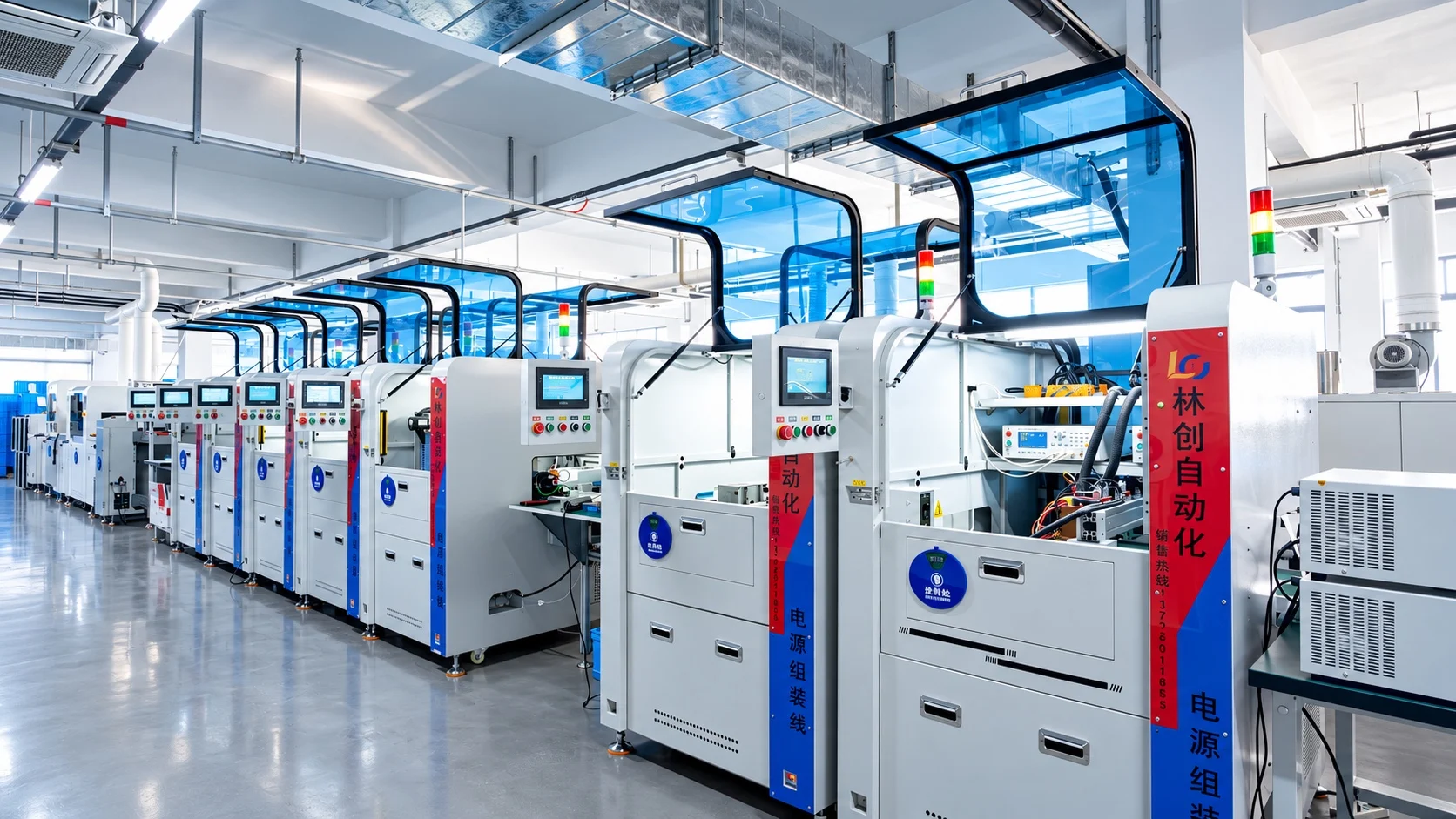
SMT Assembly
Discuss assembly requirements, component traceability and inspection records for your selected model and order.
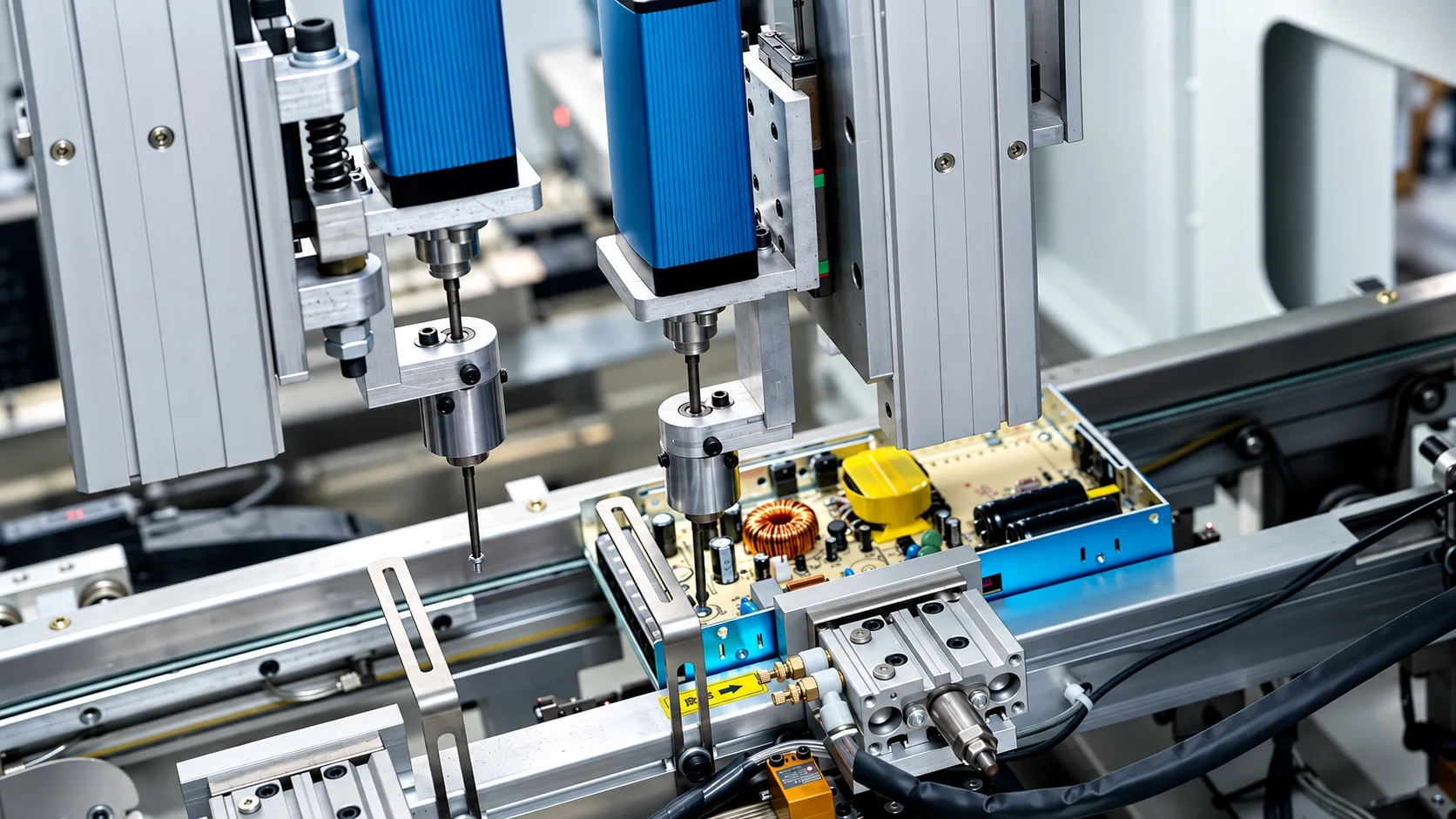
Component Insertion & Soldering
Confirm solder-joint inspection criteria and any vibration or mechanical tests required by your equipment.
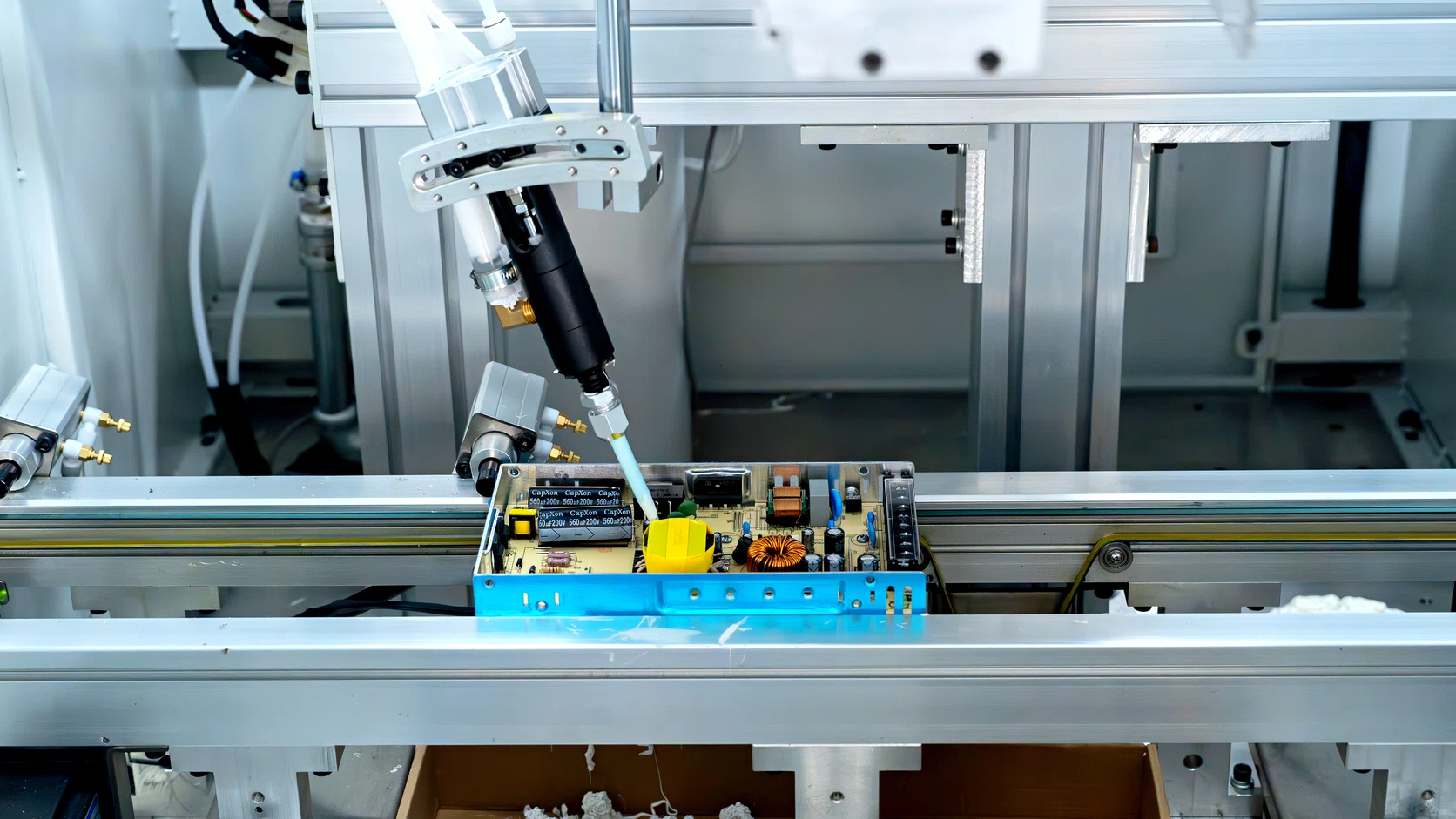
Dispensing & Potting
Agree potting material, cable entry, sealing-test conditions and the required enclosure rating for the ordered model. Potting alone does not establish a certified IP68 rating.

Final Assembly
Confirm enclosure, wire gauge, lead length, connector and labelling requirements against the selected model drawing before ordering.
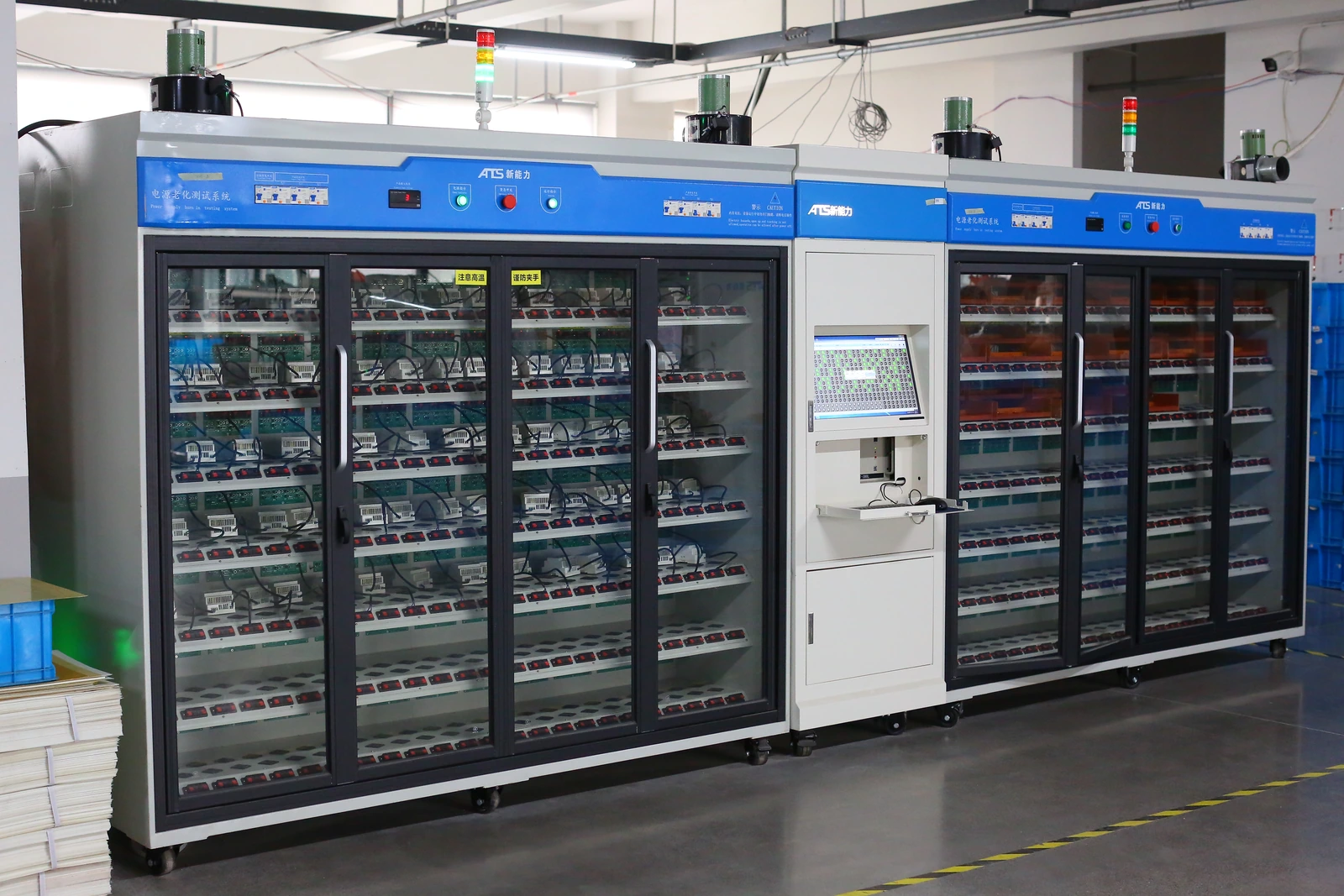
Burn-In Testing
Request the model- and order-specific burn-in plan, including load, duration, ambient temperature and acceptance records. Conditions must be agreed for the order.
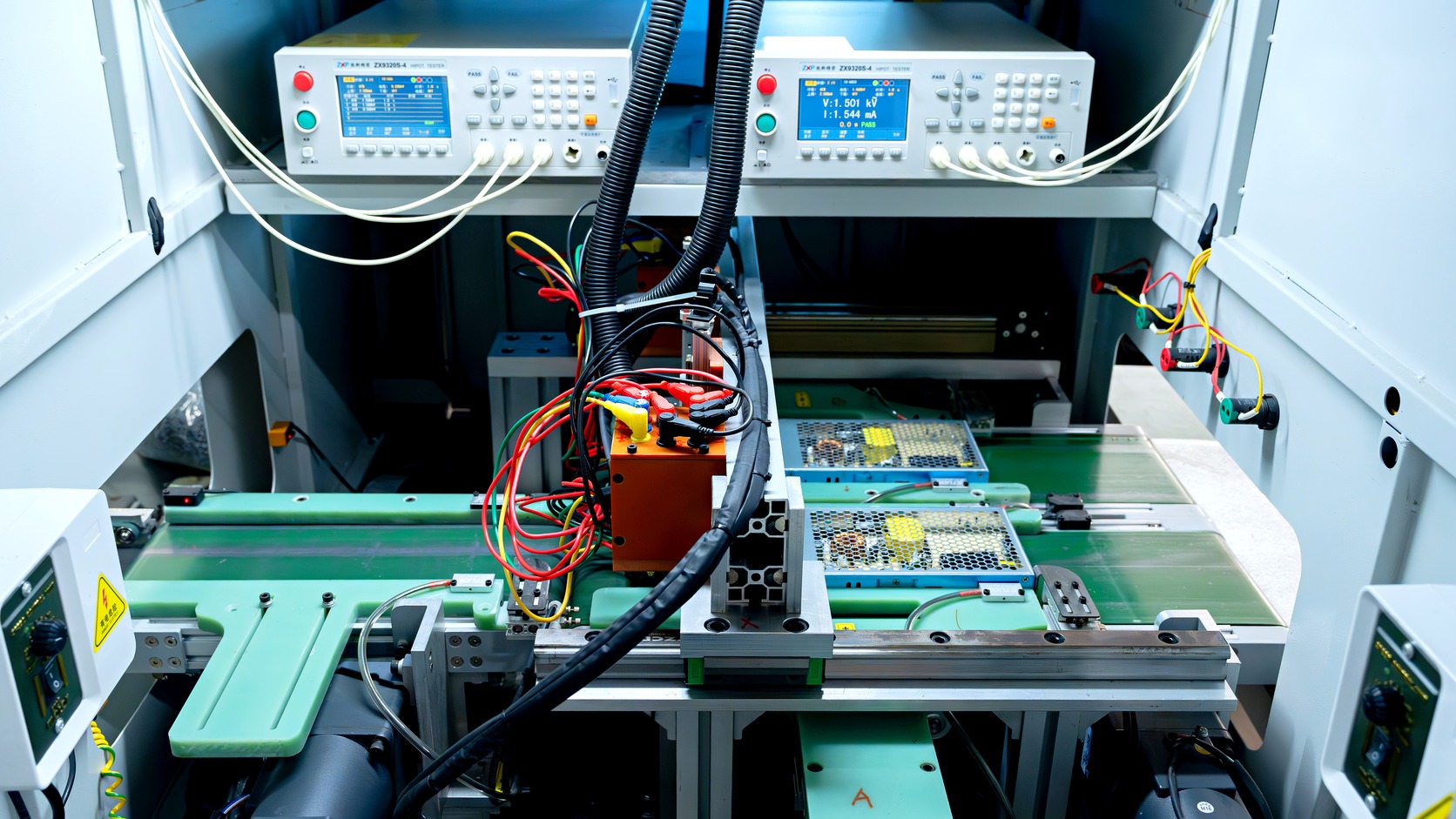
Electrical Quality Checks
Agree output regulation, ripple, protection and safety-test requirements for the selected model. Ask for applicable reports rather than assuming one test programme covers every converter.
