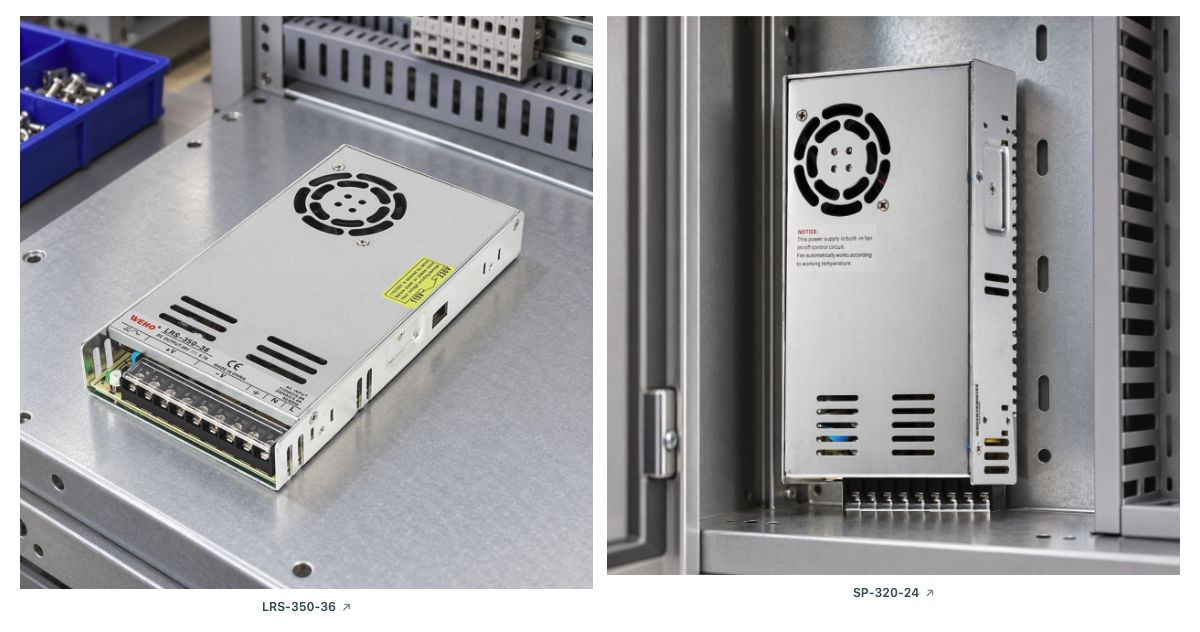
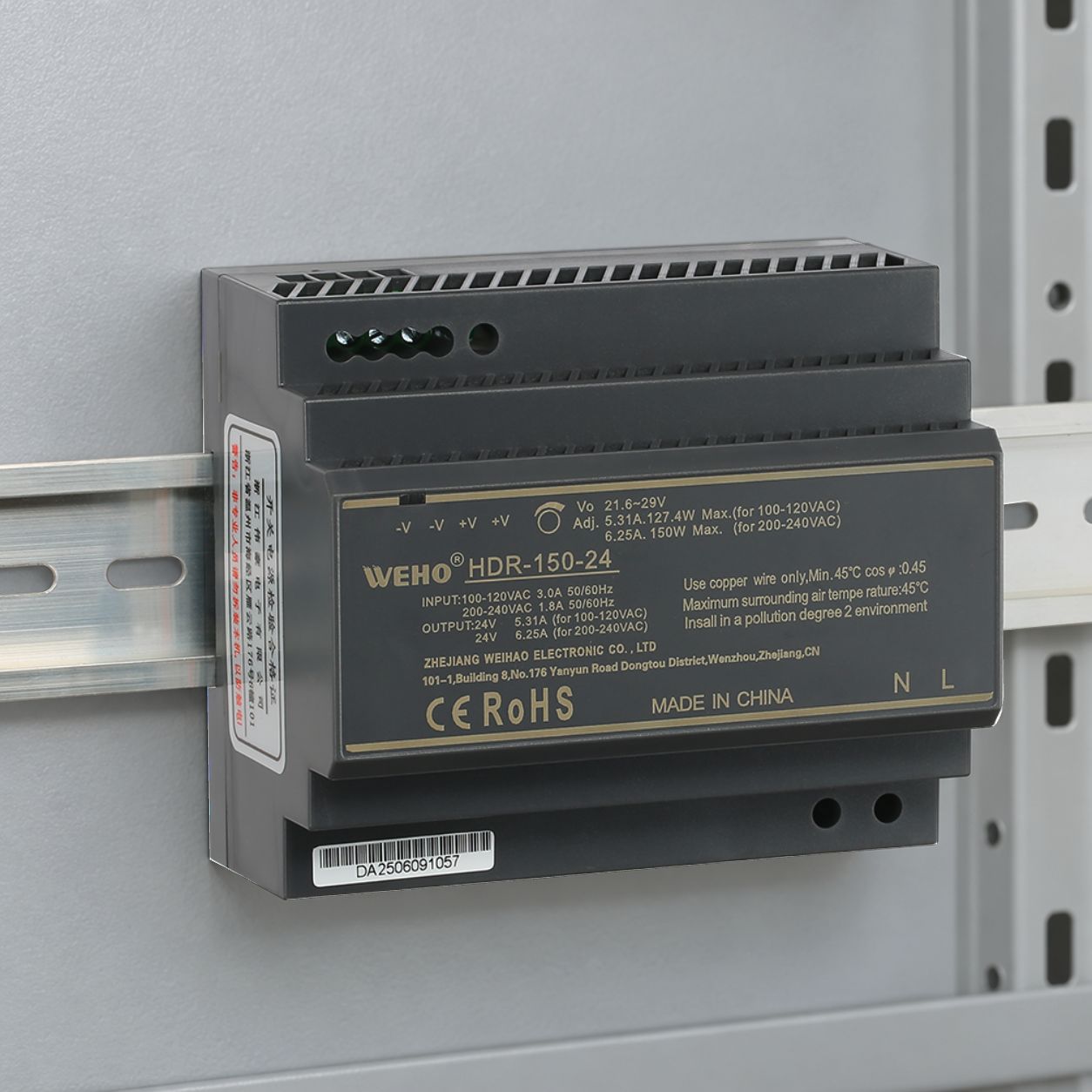
When comparing isolated and non-isolated DC-DC converters, define which circuits must remain separated, then audit every connection crossing that boundary. An isolated converter interrupts a direct power-path connection between its input and output. Another signal, shield, service cable or test connection can still link the two domains. A converter photograph or isolation-voltage headline cannot establish the complete system result.
On this page
This is an interface review for OEM equipment with several connected subsystems. It concentrates on complete-system separation rather than general topology differences. Its output is a connection register that tells the design and procurement teams whether the intended boundary survives in normal operation and service.
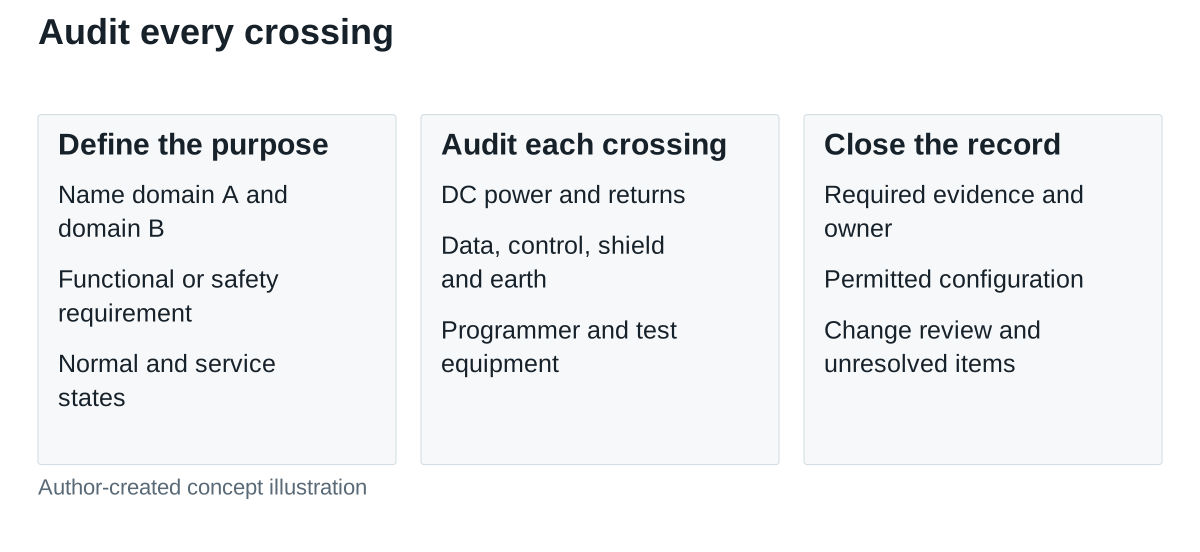
Name the two domains and the purpose of separation
Begin with a sentence that can be checked: “The sensor-side power and communications must remain galvanically separated from the controller-side circuit under the documented operating and service conditions.” Then identify the exact nodes on each side and the applicable requirement owner.
A functional boundary intended to control ground-loop behavior is a different claim from an insulation system intended to protect against electric shock. The latter needs the applicable safety requirements, working conditions and evidence. A withstand-test voltage is not a complete statement of continuous working insulation, permissible interfaces or system certification.
Analog Devices’ ground-loop explanation describes how multiple conductive paths can produce unwanted current and communication problems. The lesson for this review is to follow the complete connection, rather than treating the power converter as the only route between domains.
Build a connection register before choosing the architecture
Give each connection a physical description, an electrical function and a state in which it exists. “USB cable” is too broad: power, data, reference and shield can have different paths. “Shield grounded” also needs to say where and how it is terminated. Use drawings and interface documentation to establish those details.
| Connection crossing the proposed boundary | Question to close | Record needed |
|---|---|---|
| DC power and return | Is there a direct shared conductor, or a documented isolation barrier? | Exact converter, terminal map and applicable insulation evidence |
| Data and control | Are reference conductors or signal-protection paths linking the domains? | Interface schematic and powered/unpowered state limits |
| Shield, chassis and protective earth | Where do these connect, and does the resulting path cross the intended boundary? | Approved bonding and shielding arrangement |
| Programming and field service | Does a laptop, programmer or auxiliary supply introduce another reference? | Permitted service configurations and accessory identity |
| Test equipment | Does the measurement connection change the circuit being evaluated? | Approved instrument/probe method and reference-point record |
A conductive connection is not automatically an error. It may be required by the equipment design. The decision is whether it is compatible with the stated boundary. Do not remove protective earth or required bonding to make a drawing appear isolated; resolve the architecture using the approved installation and safety requirements.
Compare production and service configurations separately
Hypothetical architecture example: a field module receives isolated DC power and exchanges data through a documented isolated interface. During normal operation, no intended conductive reference crosses the stated functional boundary. During service, a programmer connects its signal reference to the field module while another connection references the controller to the same service system.
The review now has an additional possible path to examine. It cannot retain the original “power and data isolated” conclusion without checking the programmer, host and other connected equipment. The outcome may be a documented isolated service interface, a different permitted service state, or a revised separation requirement. It is not established by simply unplugging one cable during a demonstration.
For every allowed configuration, retain the connection list and evidence owner. Useful states include ordinary operation, installation testing, firmware update, external-sensor replacement and operation with an auxiliary power source. Include only states that the product is actually expected to enter, but include the accessories customers will really use.
Keep WEHO product identity and system qualification separate
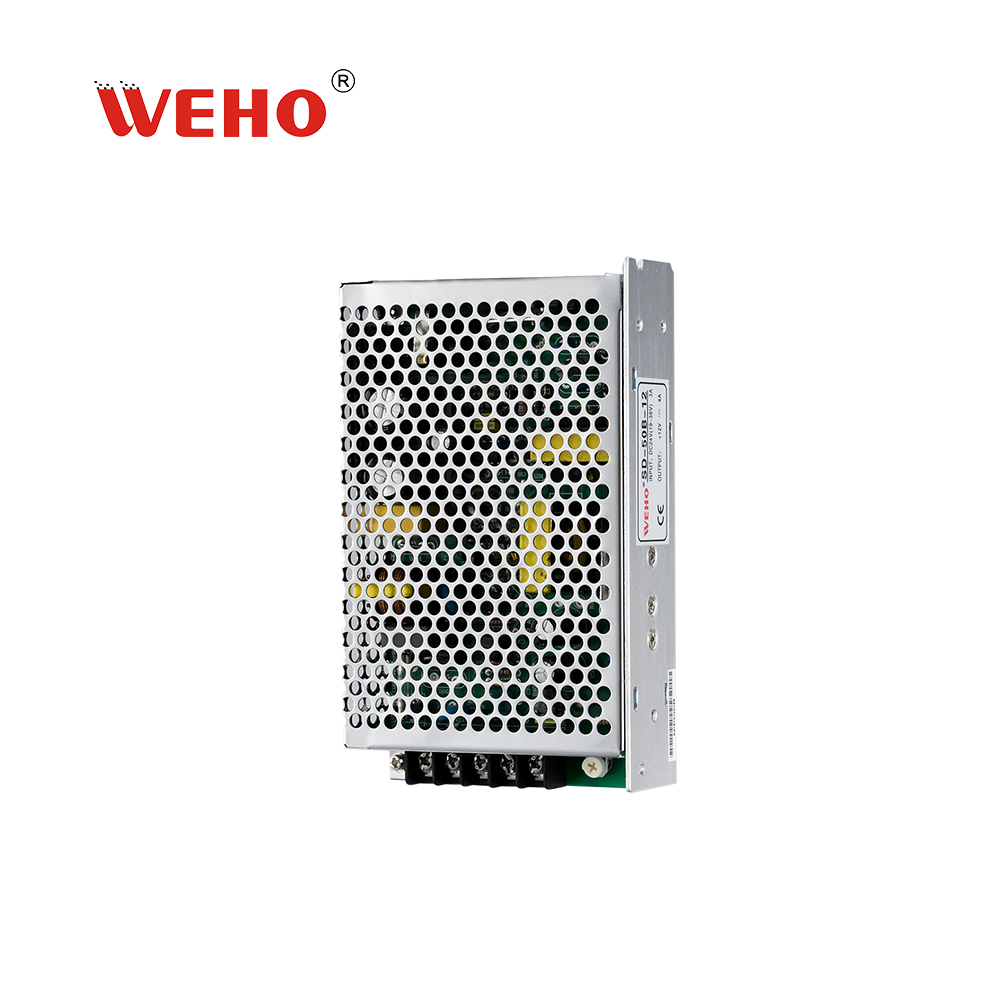
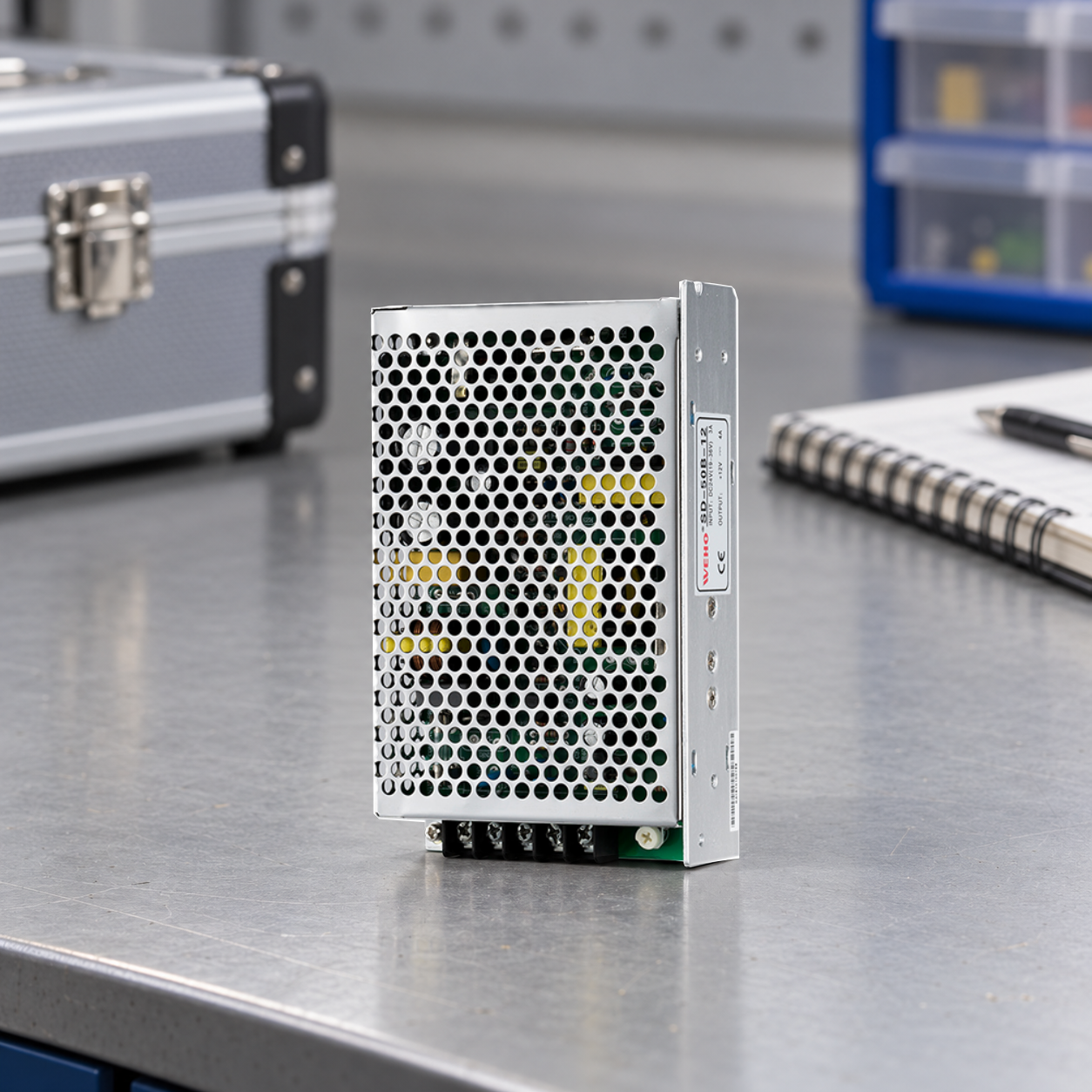
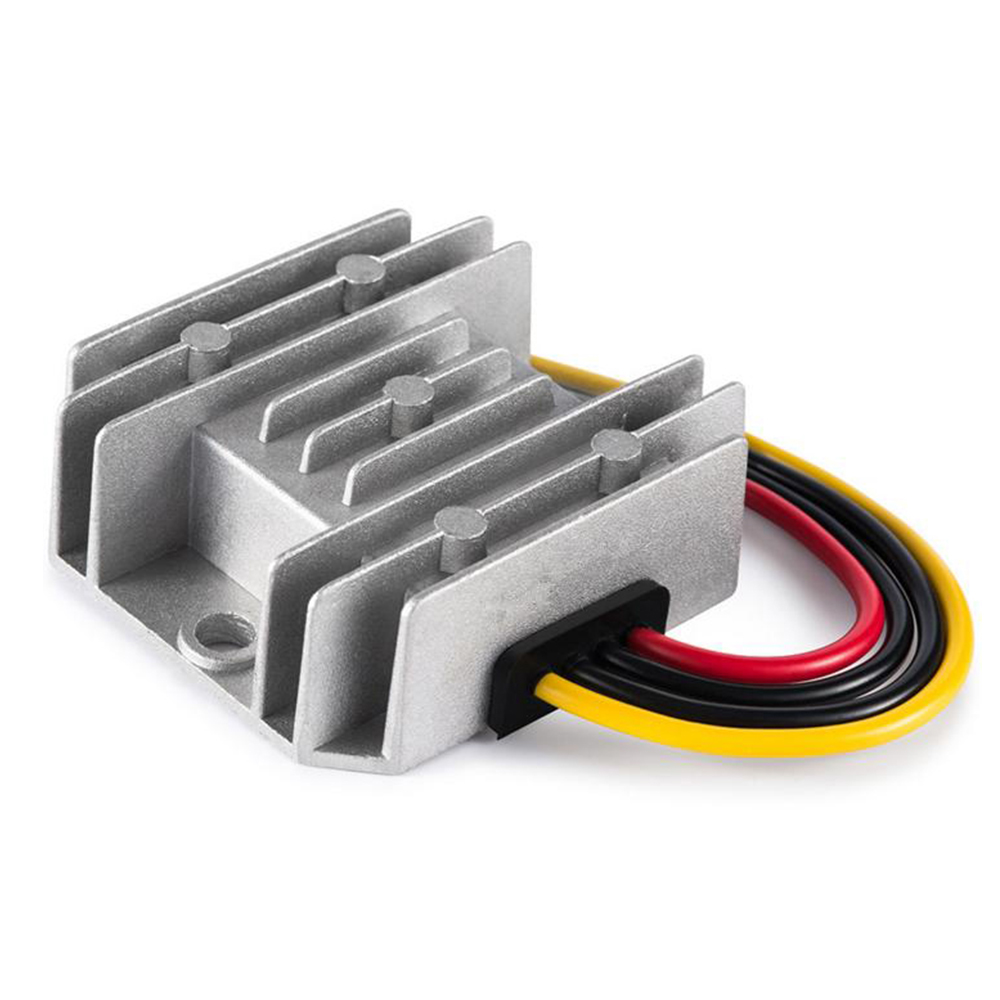
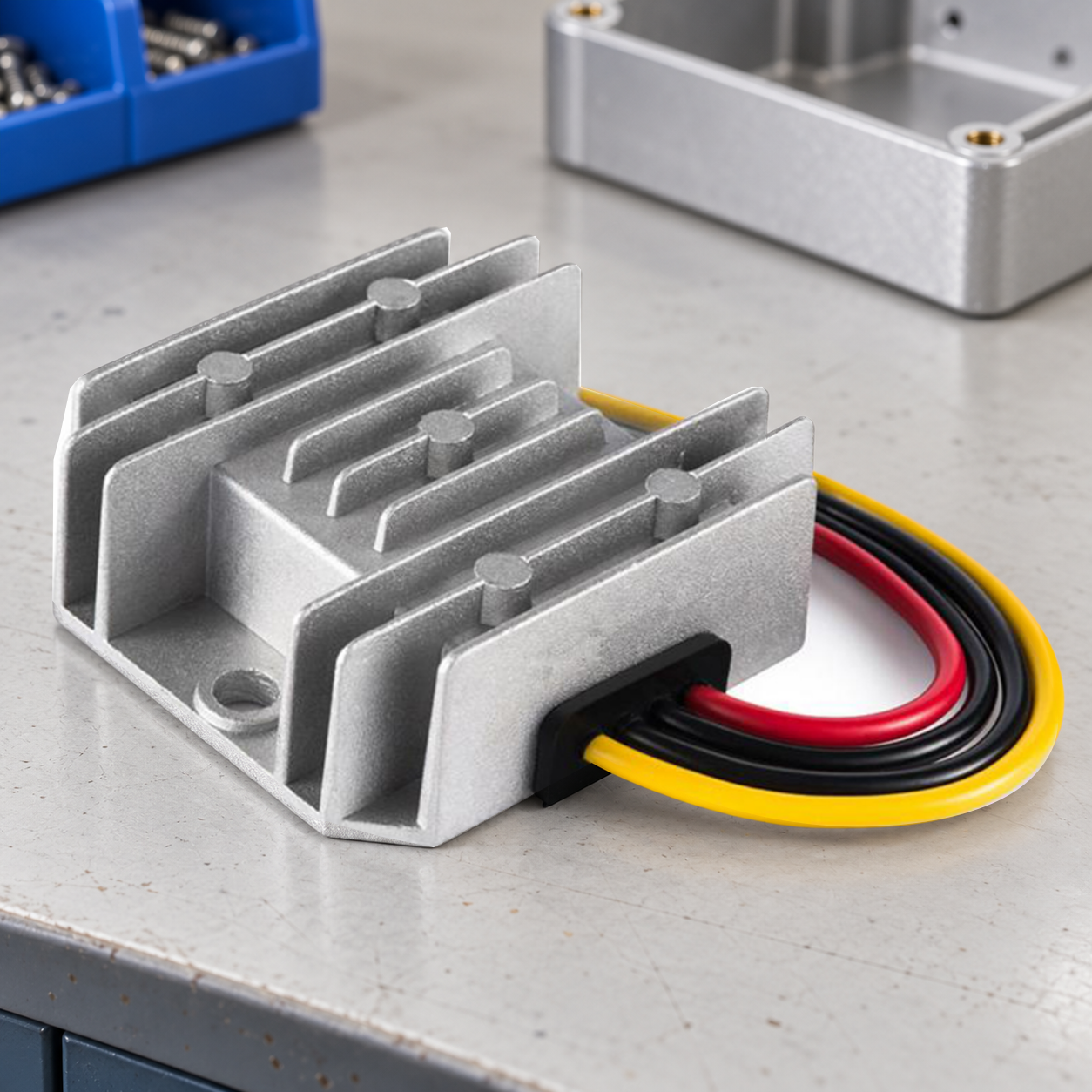
The WEHO SD-50B-12 is an isolated DC-DC document example; check the SD-50 specification against the ordered suffix and revision. The WH-C241210 specification identifies a non-isolated converter with a common input/output negative. Its finned-housing photograph has no visible nameplate at this angle. Verify the delivered revision and each lead assignment from the applicable document; two black leads are not, by appearance alone, an instruction to join them. These identities support different starting diagrams, not an automatic performance comparison.
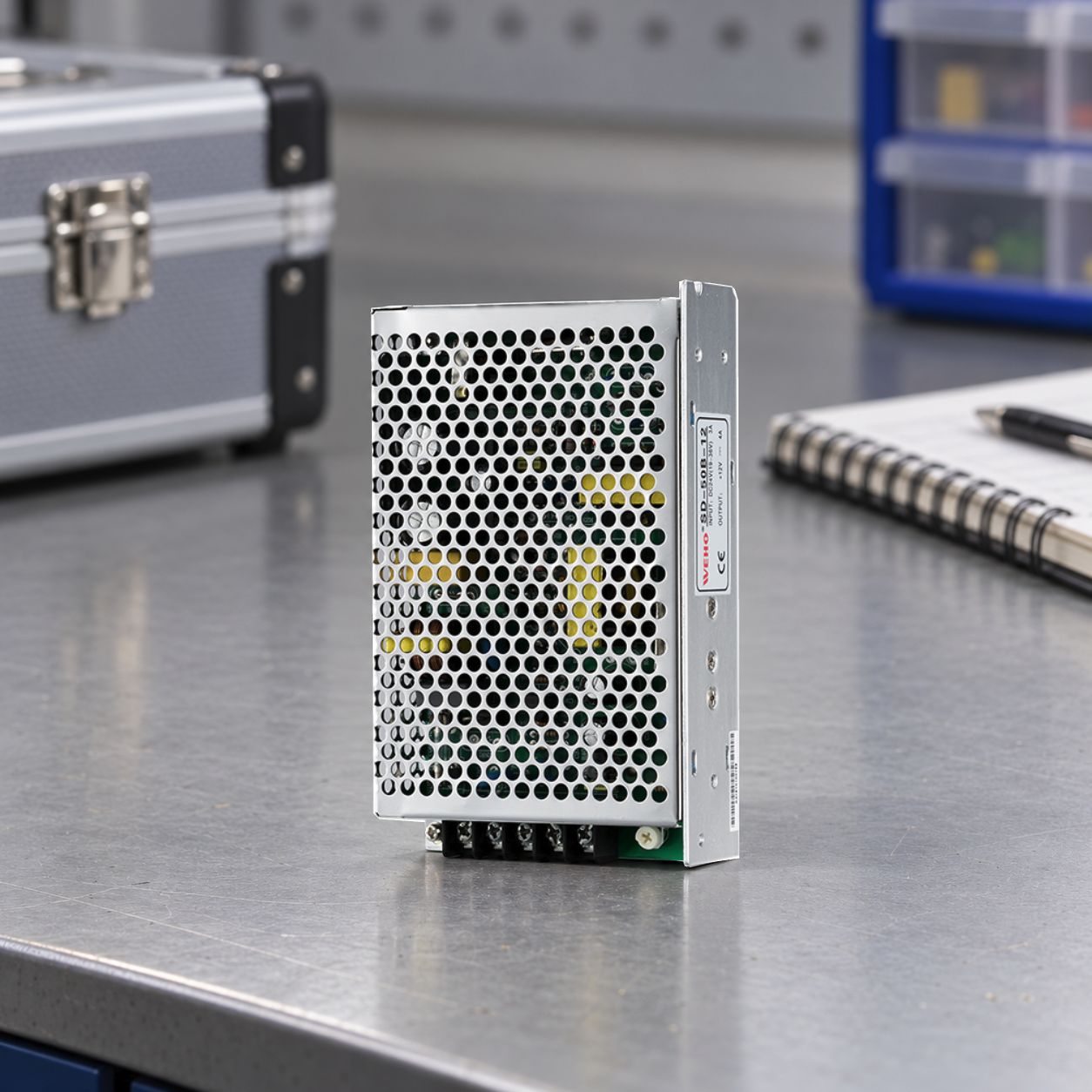
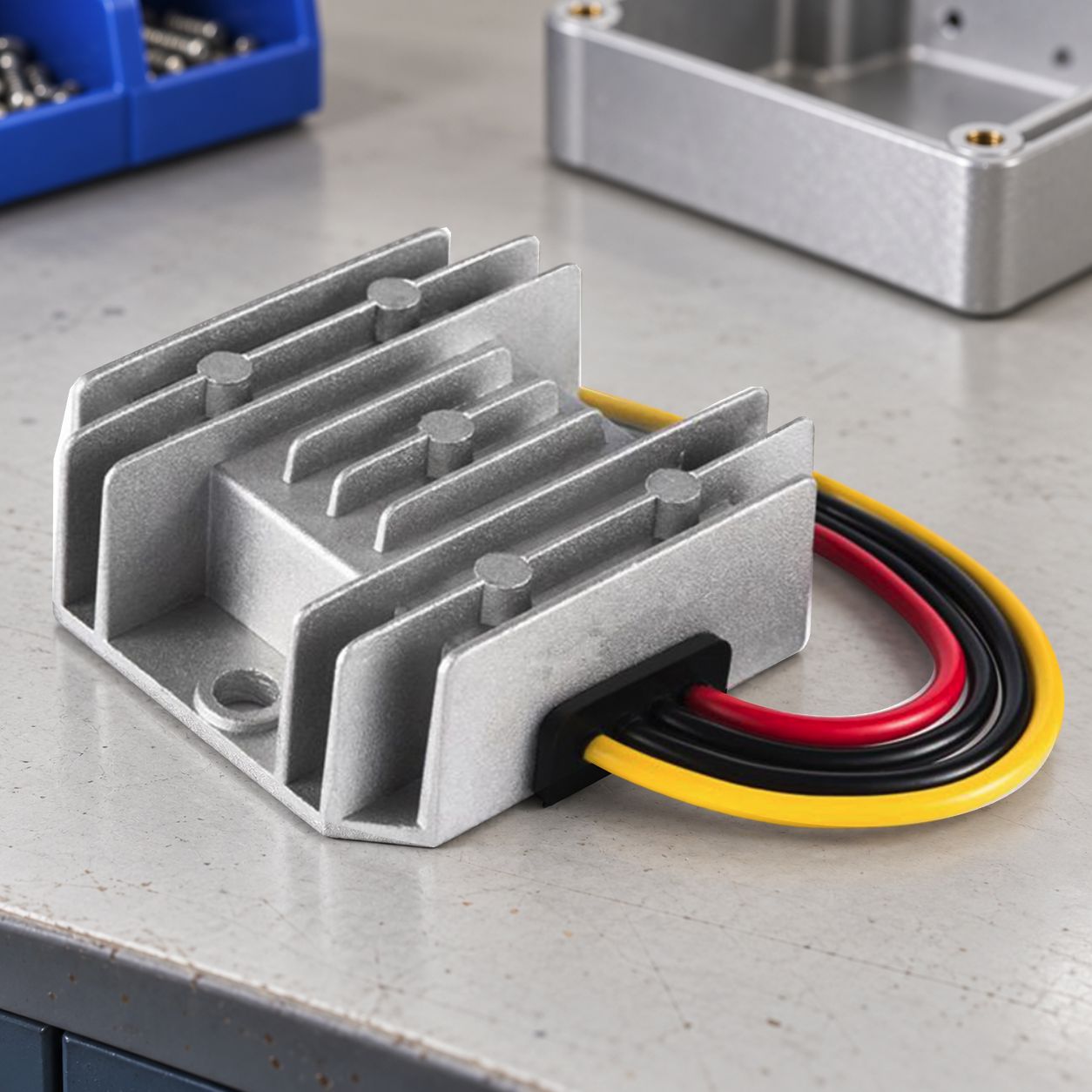
Do not select between those models from isolation alone. Input envelope, output requirement, usable power, mounting and environmental limits remain separate selection gates. If a shared reference is intended and permitted, a suitable non-isolated converter may meet the architecture. If separation is required, obtain the exact isolation evidence and qualify all other crossings as well.
The barrier also has capacitive behavior; galvanic separation does not mean every noise or transient current is zero. That is a separate question from a direct conductive bypass; evaluate the applicable isolation-capacitance and common-mode-current evidence independently.
Release a boundary record the next engineer can reproduce
Close each register row with one of three outcomes: the connection preserves the intended separation with supporting evidence; it intentionally joins the domains and the architecture is revised; or the evidence remains open. A blank row should remain an unresolved issue, rather than becoming a presumed pass.
Version the register with the harness, interface boards and permitted service accessories. Revisit it when a connector, controller, shield termination or programming method changes. An apparently minor service accessory can affect the same separation decision as a converter substitution.
Send WEHO the two-domain requirement and converter operating envelope when requesting candidates. State whether the requirement concerns functional separation or a defined safety insulation task, and identify the crossing interfaces. Ask for model-specific evidence against that brief so the converter choice and complete-system review can be closed together.